Decoding Your Check Engine Light: What Modern Vehicle Tech Is Trying to Tell You
This article provides an in-depth exploration of Vehicle tech, covering foundational concepts, practical applications, and engineering insights.
Few things cause instant panic for a driver quite like a glowing amber warning on the dashboard. But when your check engine light suddenly turns on, what does it really mean? Thanks to rapid advances in modern vehicle tech, your car is smarter than ever, using an intricate network of sensors to continuously monitor system performance. Understanding what this warning signifies can save you from unexpected breakdowns and costly repairs down the road.
Common Reasons Your Check Engine Light Triggers
The check engine light serves as an early alert from your car's On-Board Diagnostics (OBD) system. While it can feel alarming, the trigger is often a manageable issue. Common culprits include:
- Faulty Oxygen (O2) Sensor: Monitors unburnt oxygen levels to ensure proper fuel mixture.
- Loose or Damaged Gas Cap: A simple leak in the evaporative emission system that disrupts fuel pressure.
- Failing Catalytic Converter: Essential for converting harmful exhaust gases into less toxic emissions.
- Mass Air Flow (MAF) Sensor or Spark Plugs: Worn components that lead to poor gas mileage or engine misfires.
How Modern Vehicle Tech Simplifies Diagnostics
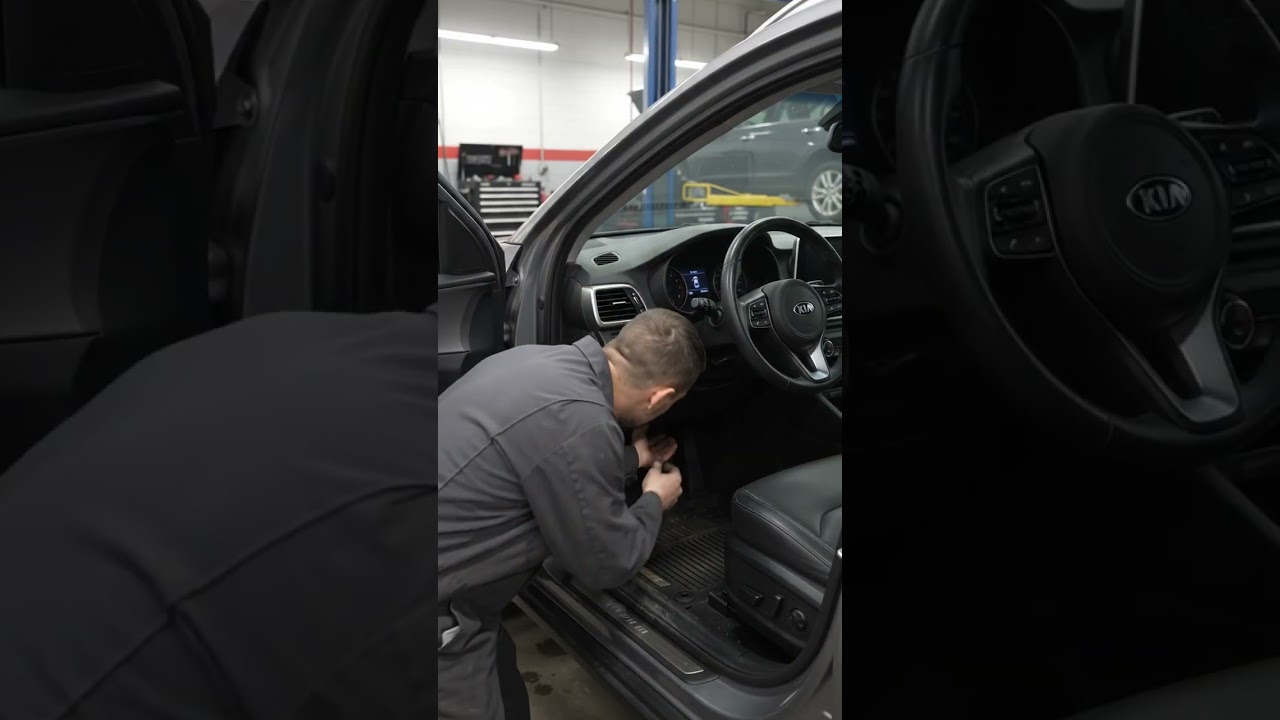
Gone are the days of complete guesswork when your dashboard lights up. Today's vehicle tech allows mechanics—and everyday drivers—to plug a compact OBD-II scanner into the car to pull specific diagnostic trouble codes (DTCs). Many smart vehicles go a step further, integrating directly with smartphone apps to tell you precisely which sensor triggered the alert before you even step foot in a repair shop.
Solid vs. Flashing Light: What Should You Do?
Not all warning lights demand the same immediate reaction:
- Solid Light: Indicates an issue that needs attention soon, such as a faulty sensor or loose cap. You can generally drive safely to your destination or a nearby garage.
- Flashing Light: Signals a severe misfire or critical system failure. Driving with a flashing light can cause permanent damage to your engine or catalytic converter. Pull over safely as soon as possible and call for assistance.
Final Thoughts
Never ignore an illuminated check engine light. Leveraging modern diagnostic tools makes it easier than ever to catch minor sensor glitches before they escalate into major financial headaches. The next time that dashboard light pops up, don't panic—get the code scanned, address the issue promptly, and keep your vehicle running smoothly!


