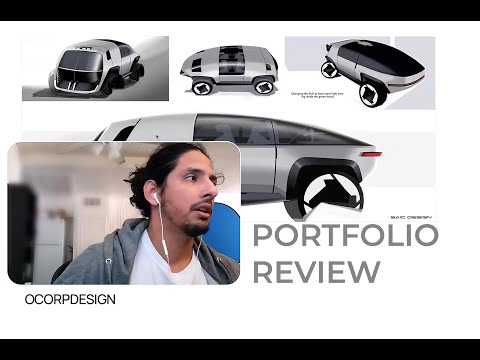
In the high-stakes world of car design, your automotive design portfolio is more than just a collection of drawings; it is your professional identity and your passport to the industry’s top studios. Recently, OCORPDESIGN hosted an intensive review session featuring work from top design students across the globe. This professional critique offered a rare look into what industry veterans are looking for in 2025 and how aspiring designers can elevate their work to a professional standard.
The Power of Visual Storytelling and Layout
One of the primary themes discussed during the review was the importance of layout and narrative flow. A successful automotive design portfolio doesn't just show a finished 3D model; it documents the journey of an idea. The experts emphasized that recruiters want to see the "messy" middle—the research, the failed ideations, and the package constraints. By organizing your pages to lead the viewer through your creative process, you demonstrate a logical mindset that is essential for working in a professional studio environment.
Integrating AI into the Creative Workflow
As we move into 2025, the role of Artificial Intelligence in the design studio has become a pivotal topic. The critique touched on how students are currently utilizing AI to speed up their workflows. The consensus among professionals is clear: AI should be used as a tool for rapid mood-boarding and ideation, but it should never replace the fundamental sketching and 3D modeling skills that define a designer's unique hand. Showing a balanced use of emerging tech in your work can demonstrate that you are forward-thinking yet grounded in design fundamentals.
Transitioning from Student to Professional
Beyond the sketches, the review delved into the realities of the job market and studio culture. Discussing the transition from a classroom to a global design studio, the critique highlighted that versatility is key. Whether you are focusing on exterior surfacing or interior UX, your automotive design portfolio must reflect a deep understanding of brand DNA and manufacturing feasibility.
Securing a position in today’s competitive landscape requires a blend of technical mastery and a clear, professional presentation. By taking these expert critiques to heart, designers can refine their portfolios to not only showcase talent but to prove they are ready to shape the future of transportation.