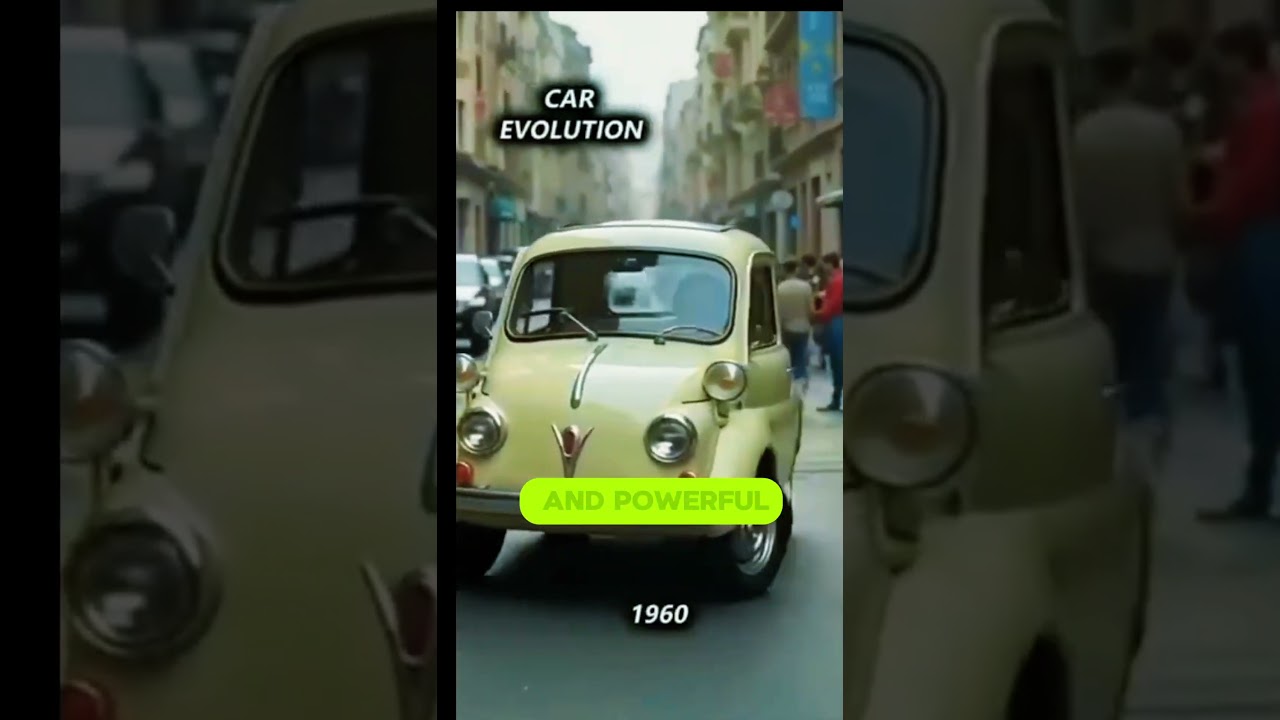
The Automotive Revolution: How the Connected Car is Redefining Transportation
This article provides an in-depth exploration of Connected car, covering foundational concepts, practical applications, and engineering insights.
The automotive industry is currently undergoing its most significant transformation in over a century. We are witnessing a monumental shift away from traditional internal combustion engines toward a high-tech ecosystem driven by electrification, artificial intelligence, and deep network integration. At the center of this massive transformation is the modern connected car, a smart vehicle that does far more than simply transport passengers from point A to point B.
Beyond Mechanical Engineering: The Rise of Software-Driven Vehicles
For decades, automobiles were evaluated almost exclusively on mechanical performance, horsepower, and fuel efficiency. Today, software has taken center stage. Modern vehicles are essentially sophisticated data centers on wheels, equipped with advanced sensors, real-time processing capabilities, and continuous cloud connectivity.
By bridging the gap between hardware and digital services, the connected car seamlessly integrates with internet infrastructure, mobile devices, and smart city networks. Drivers can now monitor battery health in real time, optimize charging schedules for electric powertrains, and receive over-the-air software updates that continuously improve vehicle performance long after leaving the dealership lot.
Enhancing Safety and Efficiency Through Real-Time Data
The convergence of electric powertrains and self-driving technology relies heavily on rapid data exchange. Vehicle-to-Everything (V2X) communication allows smart vehicles to interact directly with surrounding traffic infrastructure, pedestrians, and neighboring cars.
This constant flow of actionable information enables advanced driver-assistance systems (ADAS) to anticipate road hazards far quicker than human reaction times allow. Whether it is predicting traffic bottlenecks, warning drivers of hidden road obstacles, or optimizing battery management based on live terrain data, connected car technology ensures a safer, smoother, and far more sustainable travel experience.
The Road Ahead: The Future of Intelligent Mobility
As autonomous driving capabilities mature and 5G networks become universally accessible, the distinction between personal electronics and transportation will continue to dissolve. Vehicles will increasingly evolve into personalized mobile spaces where passenger comfort, productivity, and safety exist in complete harmony.
The ongoing automotive revolution is not merely about changing what powers our vehicles—it is about fundamentally transforming our relationship with mobility. As connected systems become standard across the globe, our roadways are rapidly evolving into a safer, cleaner, and fully integrated transit network.


