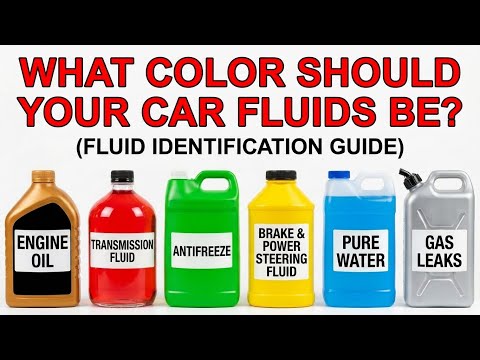
Pulling out of your driveway only to spot a mysterious puddle on the pavement can instantly spark anxiety. Is it a minor condensation drip, or a sign of major mechanical failure? To protect your vehicle and avoid costly repairs, mastering basic internal combustion engine logic is essential for every driver. By understanding how fluid colors and textures correspond to specific automotive systems, you can diagnose leaks long before they escalate into catastrophic damage.
Engine Oil: The Gold to Black Spectrum
Engine oil is the lifeblood of your motor, lubricating moving parts and carrying away intense heat. Fresh engine oil typically features a translucent, honey-gold or amber color. As it circulates through the motor and gathers microscopic debris over time, it darkens to a deep brown or black. If you notice a slick, amber-to-black puddle directly beneath the front center of your vehicle, an engine oil leak is the most probable culprit.
Transmission and Power Steering Fluids: Shades of Red and Pink
Transmission fluid serves as both a lubricant and a hydraulic fluid to smoothly shift gears. When applying standard internal combustion engine logic, reddish or pinkish fluid almost always points toward either the transmission or the power steering system. New transmission fluid is a translucent bright red, but as it ages and degrades, it turns dark burgundy or brown, often accompanied by a distinct burnt odor. If the puddle feels slick and smells slightly sweet or burnt, check your fluid reservoirs right away.
Coolant (Antifreeze): Bright Neon and Watery Consistency
Unlike heavy lubricants, engine coolant is formulated with distinct, vivid colors to make leak identification effortless. Coolant can range from neon green and bright pink to vibrant orange, yellow, or blue, depending on your vehicle manufacturer. It possesses a watery texture and a noticeably sweet smell. A puddle of brightly colored liquid under your radiator or engine bay usually signals a cooling system leak that requires immediate attention to prevent severe engine overheating.
Brake Fluid: Clear, Yellow, and Oily
Brake fluid is paramount to your safety on the road. Fresh brake fluid is nearly clear or light amber with an oily, slippery consistency. As moisture and dirt contaminate the hydraulic lines over time, it turns a murky brown. Because brake systems operate under extreme pressure, any leak of this clear-to-amber fluid demands immediate repair.
By applying simple internal combustion engine logic, you can quickly decode mysterious driveway puddles, communicate effectively with your mechanic, and keep your vehicle operating safely for years to come.


