Inside the Powertrain: How Motor Power Reaches Your Car's Wheels
This article provides an in-depth exploration of Powertrain, covering foundational concepts, practical applications, and engineering insights.
Have you ever wondered how the mechanical force generated under the hood actually translates into smooth forward motion on the road? The process of transferring energy from an engine to the pavement is a masterpiece of modern mechanical engineering, governed entirely by your vehicle's powertrain.
Generating Power: From Engine to Transmission
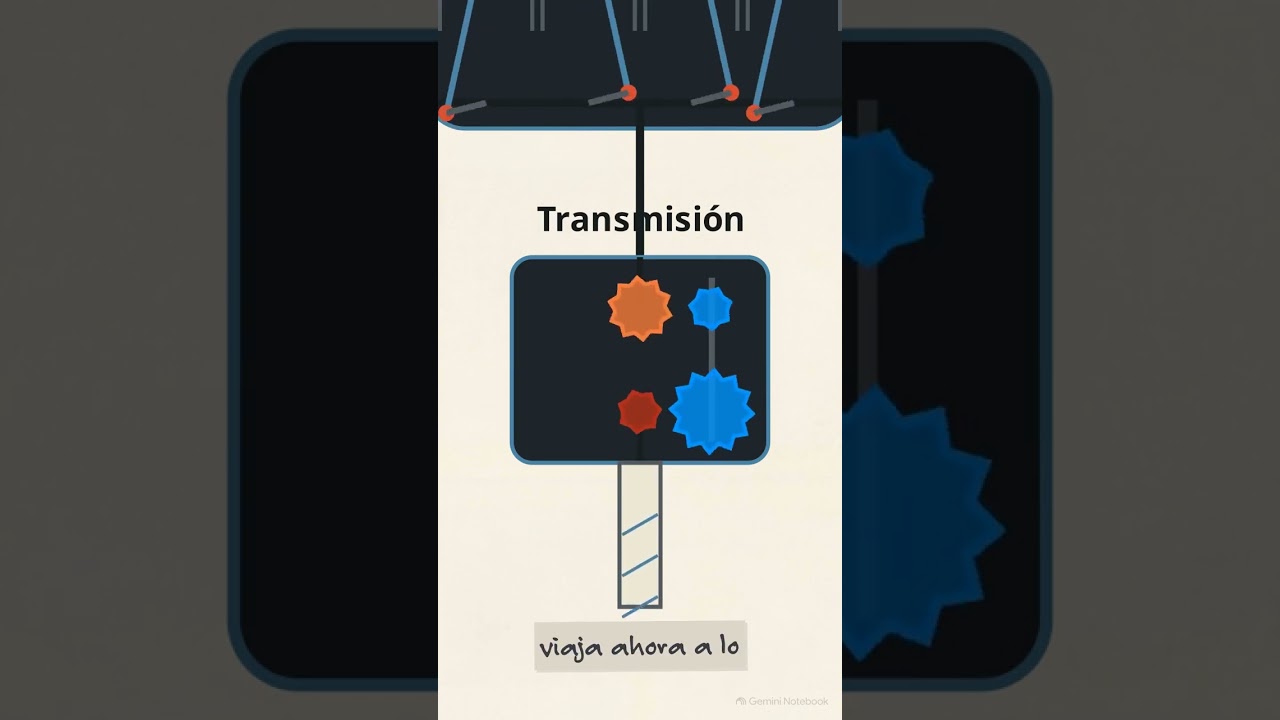
It all starts inside the engine cylinders, where fuel combustion pushes pistons up and down. This linear motion turns the crankshaft, converting up-and-down energy into rotational force. However, this raw mechanical force moves far too fast and lacks the targeted torque needed to move a heavy vehicle directly from a complete stop.
This is where the transmission steps in. Acting as a vital mediator, the transmission uses a complex system of gears to manage the engine’s rotational speed and output torque. By switching through different gear ratios, it ensures optimal force is directed downstream, whether you are accelerating up a steep hill or cruising efficiently on a highway.
Delivering Motion: Driveshafts, Differentials, and Axles
Once energy leaves the transmission, it must be routed to the driving wheels. In a complete vehicle powertrain, this routing varies depending on whether the car is front-wheel, rear-wheel, or all-wheel drive:
- Driveshaft: In rear-wheel and all-wheel drive vehicles, a rotating steel or composite shaft carries torque from the front-mounted transmission to the rear components.
- Differential: Power then enters the differential. This essential component splits the torque between the drive wheels while allowing them to spin at different speeds—a necessity for making safe, smooth turns.
- Axles: Finally, drive axles transfer the torque from the differential directly to the wheel hubs, providing the rotational force that spins your tires.
Why System Harmony Matters
Every component along this path must work in perfect synchronization. A seamlessly designed powertrain maximizes fuel efficiency, enhances throttle responsiveness, and reduces power loss between the engine and the road. Understanding this mechanical flow reveals just how much precision engineering goes into every mile you drive.


