Understanding Engine Cooling: How It Protects Your Powertrain
This article provides an in-depth exploration of Powertrain, covering foundational concepts, practical applications, and engineering insights.
Every time you start your vehicle, internal combustion generates thousands of controlled explosions per minute inside the engine. This process creates an incredible amount of heat. Without a reliable mechanism to manage these extreme temperatures, vital internal components would warp, melt, or seize within minutes. This is why a well-maintained engine cooling system plays such a crucial role in preserving the health and performance of your vehicle's powertrain.
The Continuous Cycle of Thermal Management
At its core, the engine cooling system operates as a closed, continuous cycle designed to absorb, transport, and dissipate heat efficiently. Coolant—a specialized mixture of water and antifreeze—circulates through channels built directly into the engine block and cylinder head.
As the fluid flows past scorching metal surfaces, it absorbs excess heat. The warm coolant is then pumped away from the engine toward the radiator at the front of the vehicle. As ambient air passes through the radiator fins, heat is transferred out of the fluid before it cycles back into the engine to repeat the process.
Key Components Working in Harmony
For this continuous cycle to function smoothly, several essential parts must operate in total synchronization:
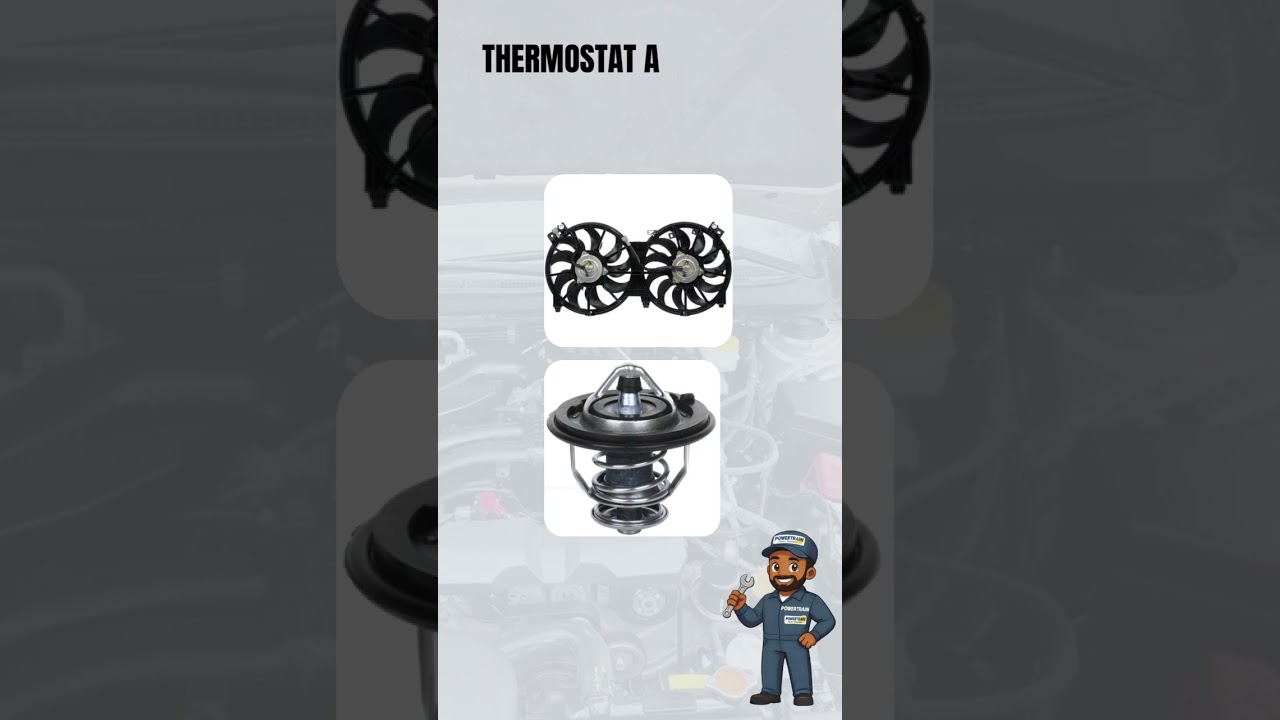
- The Thermostat: Acts as a gatekeeper, remaining closed until the engine reaches optimal operating temperature before allowing fluid to flow.
- The Water Pump: Serves as the system's heart, driving coolant through the entire loop under consistent pressure.
- The Radiator and Fan: Function together as a heat exchanger, transferring thermal energy from the liquid into the surrounding air.
- The Expansion Tank: Accommodates fluid expansion and pressure changes caused by temperature shifts.
When these parts coordinate properly, they ensure that your powertrain operates within its ideal thermal range, preventing both summer overheating and winter freezing.
Why Cooling System Maintenance Matters
Neglecting cooling maintenance is one of the quickest ways to cause severe mechanical failure. Engine overheating frequently leads to blown head gaskets, warped cylinder heads, and cracked engine blocks. By regularly checking coolant levels, flushing degraded fluid, and replacing worn hoses, you actively shield your vehicle's powertrain from expensive thermal damage, ensuring reliable performance for years to come.


