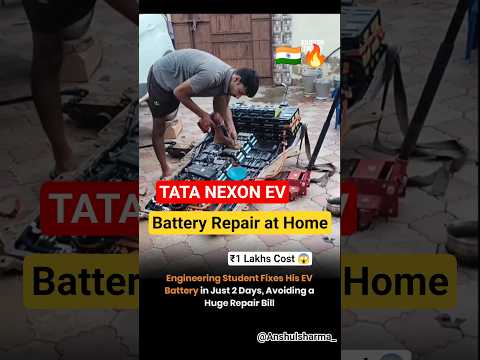
With the massive surge in electric vehicle adoption—led by popular models like the Tata Nexon EV—car owners are becoming increasingly curious about maintenance. Viral videos showing mechanics attempting DIY battery fixes at home have raised a crucial question: how safe and effective is home-based EV battery pack servicing?
While the idea of fixing your own vehicle in your garage sounds cost-effective, electric vehicle battery systems operate under extremely high voltage. Understanding what goes into proper battery care is essential for every EV owner before attempting any hands-on repairs.
What Happens During EV Battery Pack Servicing?
A modern EV battery pack consists of hundreds of individual lithium-ion cells managed by a complex Battery Management System (BMS). Comprehensive EV battery pack servicing involves far more than basic mechanical work. Key procedures include:
- Cell Balancing: Ensuring all internal battery modules maintain identical voltage levels for maximum range and performance.
- BMS Diagnostics: Scanning for software glitches, temperature anomalies, and internal resistance issues.
- Thermal Management Checks: Inspecting liquid cooling loops, pumps, and sensors to prevent overheating.
- Enclosure Inspections: Checking the outer casing for physical damage, corrosion, or compromised waterproof seals.
Can You Safely Repair an EV Battery at Home?
Videos featuring home repairs on high-voltage vehicles make the process look deceptively simple. However, working on traction batteries involves severe risks, including dangerous electrical shock and thermal runaway hazards.
Most home mechanics lack the required high-voltage insulated tools, protective equipment, clean-room environments, and proprietary diagnostic software. Furthermore, attempting DIY repairs on critical components can void your manufacturer warranty and compromise the safety of the vehicle on public roads.
The Importance of Professional Maintenance
Routine checks and module repairs require specialized training. Professional EV battery pack servicing ensures that technicians safely discharge and isolate high-voltage systems, replace faulty modules with precision, and reseal the unit to factory specifications to prevent water ingress.
If you notice a sudden drop in driving range, warning lights on your dashboard, or unusual charging behavior, it is always best to rely on certified technicians rather than attempting a risky home fix. Proper, professional maintenance is the best way to extend your EV battery’s lifespan and protect your investment.


