When shopping for a new or used automobile, interpreting an official vehicle crash test report can feel overwhelming. With various safety organizations using different scoring systems, star ratings, and technical jargon, how do you know if a car is truly safe?
Understanding how major automotive safety agencies evaluate vehicles allows you to make an informed, confident purchase decision. Here is a clear breakdown of how the three key global safety organizations—NHTSA, IIHS, and Euro NCAP—assess safety performance.
The Big Three Safety Testing Organizations
Vehicle crash testing is primarily conducted by three major entities, each with its own scoring method:
- NHTSA (National Highway Traffic Safety Administration): This U.S. government agency uses a straightforward 1 to 5-star rating system. A 5-star rating represents the highest level of safety protection.
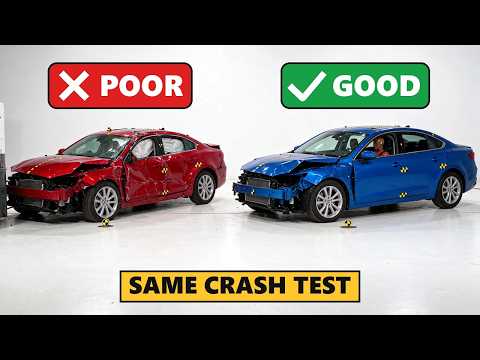
- IIHS (Insurance Institute for Highway Safety): An independent U.S. non-profit organization that evaluates vehicles using four tiers: Good, Acceptable, Marginal, or Poor. Top-tier performers earn the prestigious Top Safety Pick or Top Safety Pick+ awards.
- Euro NCAP (European New Car Assessment Programme): The European standard evaluates occupant protection, child safety, vulnerable road user protection, and driver-assist technologies, summarizing the total score into a 1 to 5-star rating.
Decoding the Primary Crash Test Categories
While each testing authority publishes unique data, every thorough vehicle crash test report focuses on four critical crash scenarios:
- Frontal Impact Tests: Simulates head-on collisions into a fixed barrier or another moving vehicle.
- Side Impact Tests: Evaluates driver and passenger protection when a barrier or pole strikes the vehicle's side.
- Rollover Resistance: Measures top-heavy risk and roof strength, determining how likely a vehicle is to tip during extreme maneuvers.
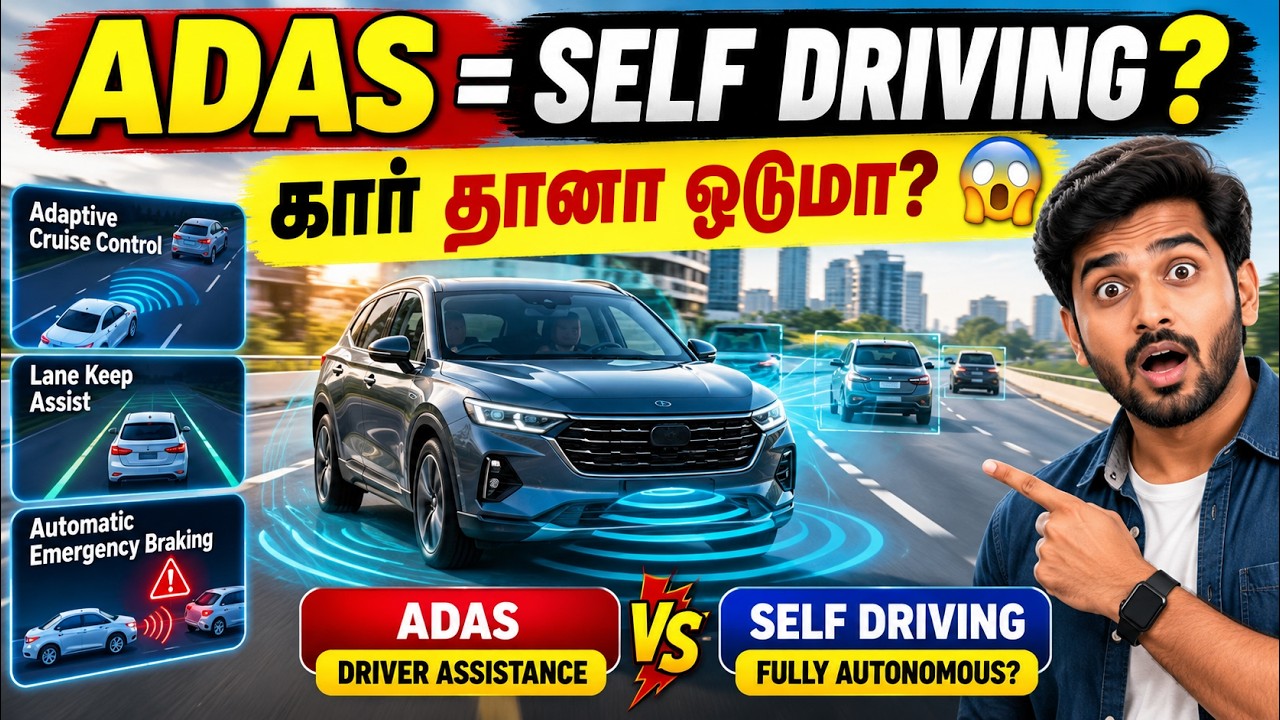
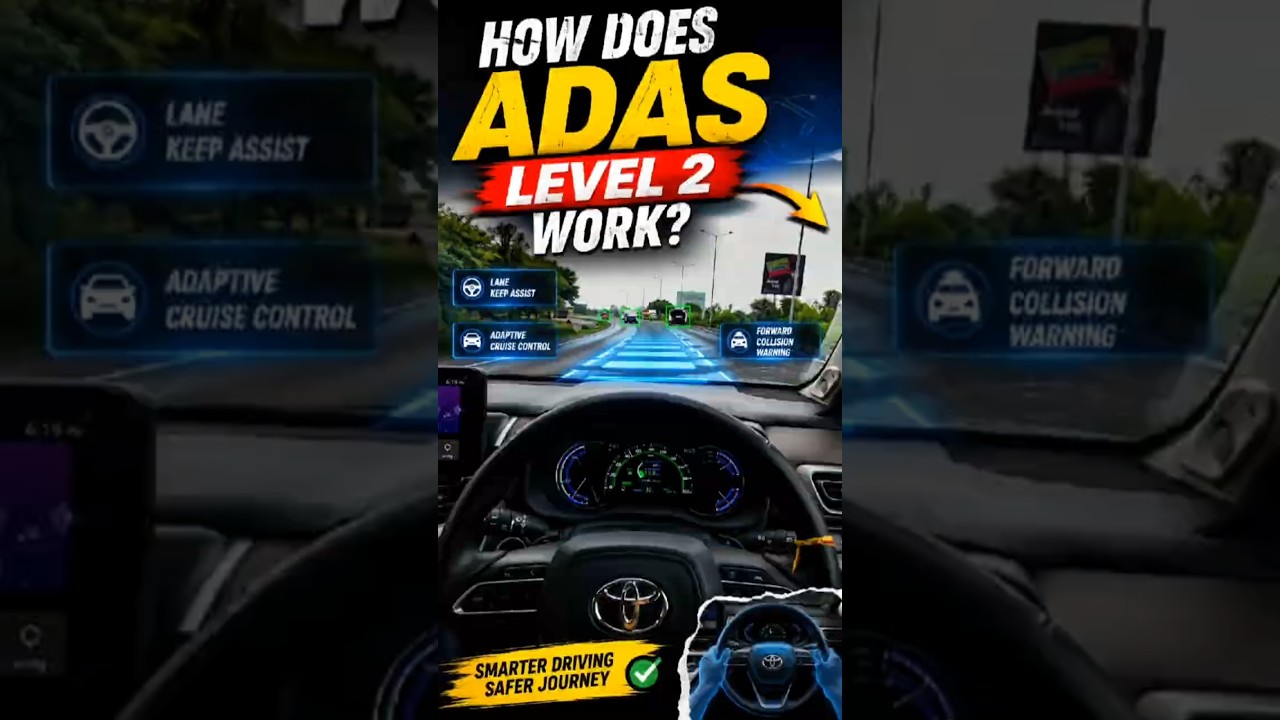
- Active Safety & Crash Avoidance: Rates modern driver-assist features like Automatic Emergency Braking (AEB) and lane-departure warnings.
Why You Should Always Check Safety Ratings Before Buying
A vehicle may feature stylish design and high-tech infotainment, but structural integrity and crash-prevention technologies save lives. Comparing safety scores side-by-side across different testing bodies gives you a complete, unbiased picture of real-world safety.
Before closing the deal on your next car, reviewing a verified vehicle crash test report ensures that you prioritize the most important feature on the road: safety.