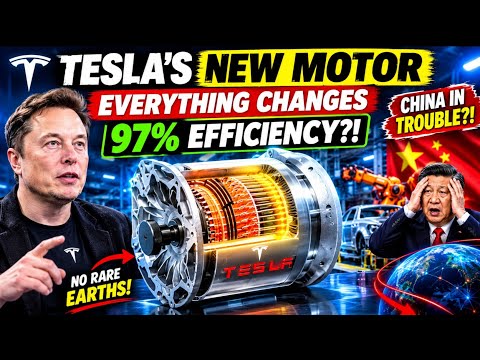
The electric vehicle revolution is accelerating at an unprecedented pace, and Tesla is once again pushing the boundaries of automotive engineering. Recent announcements regarding Tesla’s next-generation drive units have sparked massive excitement across the industry. By aiming for a staggering 97% peak efficiency rate, Tesla isn't just extending vehicle range—it is actively reshaping the global EV competitive landscape. A deep dive into modern EV motor efficiency data reveals just how transformative this technological leap could be for everyday drivers and the future of transportation.
The Engineering Science Behind 97% Motor Efficiency
Traditional internal combustion engines convert less than 30% of their fuel energy into motion, while standard electric motors typically achieve between 85% and 90% efficiency. Reaching a 97% benchmark represents near-perfect energy conversion. In practical terms, less energy is lost as thermal waste, allowing electric vehicles to extract significantly more mileage from smaller, lighter, and less expensive battery packs.
Furthermore, evaluating recent EV motor efficiency data highlights Tesla's strategic move toward overall sustainability. The new powertrain design dramatically cuts down on the reliance of critical rare-earth elements—a major bottleneck in global automotive manufacturing. By eliminating these high-cost materials while simultaneously maximizing energy output, Tesla can significantly lower vehicle production costs without compromising power, range, or reliability.
Challenging China’s EV Market Dominance
China has held a commanding lead in the global electric vehicle sector for years, primarily due to its dominance over battery raw materials and low-cost manufacturing capabilities. However, efficiency engineering and software optimization are fast becoming the key differentiators.
Real-world EV motor efficiency data proves that relentless hardware innovation can help offset supply chain vulnerabilities. If Western automakers can produce lighter, cheaper, and far more efficient drive units at scale, it poses a formidable challenge to leading Chinese EV brands competing in North American and European markets.
The Road Ahead for Electric Mobility
Tesla’s 97% efficient powertrain is far more than a headline-grabbing figure; it serves as a strategic blueprint for the next generation of clean transport. As motor efficiency continues to improve across the board, consumers can anticipate lower entry prices for EVs, superior driving range, and reduced strain on charging infrastructure. The race for ultimate EV dominance is officially on, and motor efficiency sits right at the center of it.


