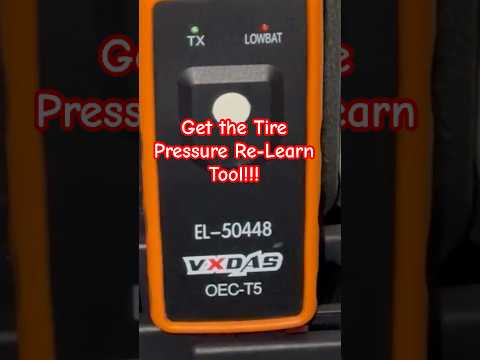
Every driver knows the frustration of seeing the glowing tire pressure warning light on their dashboard. Usually, this light signals a trip to the dealership and a service fee just to get your sensors synced. However, car owners like Whitley Green are proving that you don’t need a professional mechanic to fix the issue. By purchasing a budget-friendly TPMS relearn tool from Amazon, you can "beat the system" and handle your own maintenance from your driveway. Consider this guide your practical Automotive sensor handbook for mastering tire pressure systems.
Why Relearning Your Tire Sensors is Essential
The Tire Pressure Monitoring System (TPMS) is a vital safety feature that monitors the air pressure inside your pneumatic tires. When you rotate your tires, replace a faulty sensor, or swap out your winter set, your vehicle’s computer needs to be recalibrated. Without a "relearn" process, the car won't know which sensor is at which corner, leading to inaccurate readings or a persistent warning light. Understanding how these sensors communicate is a fundamental chapter in any modern Automotive sensor handbook.
The Amazon Hack: Saving Money with DIY Tools
Traditionally, TPMS calibration required expensive, professional-grade diagnostic scanners. Today, however, affordable handheld relearn tools are widely available on platforms like Amazon. These devices are compact, easy to use, and often cost less than a single diagnostic visit to a local shop. As demonstrated by Whitley Green, taking the DIY route is an empowering way for car enthusiasts to maintain their vehicles without the dealership markup.
Step-by-Step: Mastering the Relearn Process
While every vehicle is slightly different, the general process for relearning tire sensors is straightforward: 1. Enter Relearn Mode: Consult your owner’s manual to put your car into "TPMS Learn Mode." This often involves a specific sequence of ignition turns or a selection in the dashboard menu. 2. The Clockwise Method: Start at the driver-side front tire. Hold your Amazon relearn tool against the tire sidewall near the valve stem and press the button. 3. Wait for the Chirp: The vehicle’s horn will usually chirp to confirm the sensor has been recognized. 4. Complete the Cycle: Move clockwise to the passenger-side front, then the passenger-side rear, and finally the driver-side rear.
By keeping this Automotive sensor handbook strategy in your glove box, you ensure that your vehicle stays safe and your dashboard stays clear of unnecessary warning lights. Taking control of your car’s electronics has never been easier or more affordable.