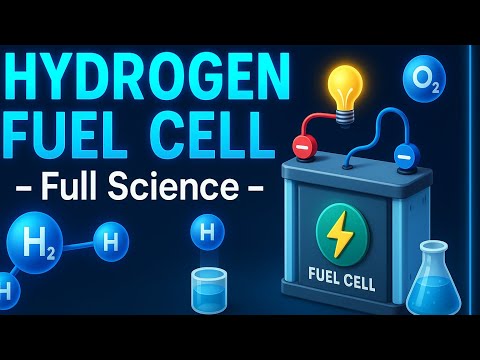
As the global energy landscape transitions toward sustainability, hydrogen power has emerged as a revolutionary solution. A hydrogen fuel cell is an advanced electrochemical device that converts chemical energy directly into electricity. Unlike traditional combustion engines, the only byproducts of this process are heat and pure water. Today, scientists and automotive manufacturers are rigorously analyzing high-performance hydrogen fuel cell samples to pioneer the next generation of eco-friendly power solutions.
How a Hydrogen Fuel Cell Works
The operating mechanism of a hydrogen fuel cell relies on a basic yet highly efficient chemical reaction:
- Anode Process: Hydrogen gas enters the fuel cell at the anode, where a catalyst splits the hydrogen molecules into positively charged protons and negatively charged electrons.
- Electricity Generation: The electrolyte membrane allows only protons to pass through to the cathode. The blocked electrons are forced through an external circuit, generating clean electric current.
- Cathode Process: At the cathode, the protons and electrons recombine with incoming oxygen molecules from the air, producing water vapor and heat as benign outputs.
By evaluating diverse hydrogen fuel cell samples under varying temperature and load conditions, engineers can optimize membrane durability and improve overall power conversion efficiency.
Key Advantages of Hydrogen Power
Hydrogen energy offers several compelling benefits over conventional fossil fuels and standard battery systems:
- Zero Emissions: Eliminates greenhouse gases and atmospheric pollutants at the point of use.
- High Energy Density: Delivers high power output, making it ideal for heavy transportation, maritime shipping, and stationary power plants.
- Rapid Refueling: Unlike traditional electric vehicles that take hours to recharge, hydrogen-powered vehicles can be refueled in just a few minutes.
The Future Outlook
The worldwide push for decarbonization makes hydrogen technology more vital than ever. Cutting-edge hydrogen fuel cell samples deployed in recent industrial trials demonstrate remarkable efficiency improvements and lower production costs. As green hydrogen production scales up and fueling infrastructure expands globally, hydrogen fuel cells will play an indispensable role in achieving a zero-emission future.


