Unlocking Safer Fleets: How to Leverage Telematics for Driver Safety Scores
This article provides an in-depth exploration of Telematics, covering foundational concepts, practical applications, and engineering insights.
Managing a commercial fleet comes with a major responsibility: keeping your drivers and vehicles safe on the road. But how can fleet managers accurately assess driving habits and prevent accidents before they happen? The answer lies in advanced telematics solutions. By continuously tracking driving behavior and safety scores, fleet managers can gain unprecedented visibility into driver performance and overall fleet health.
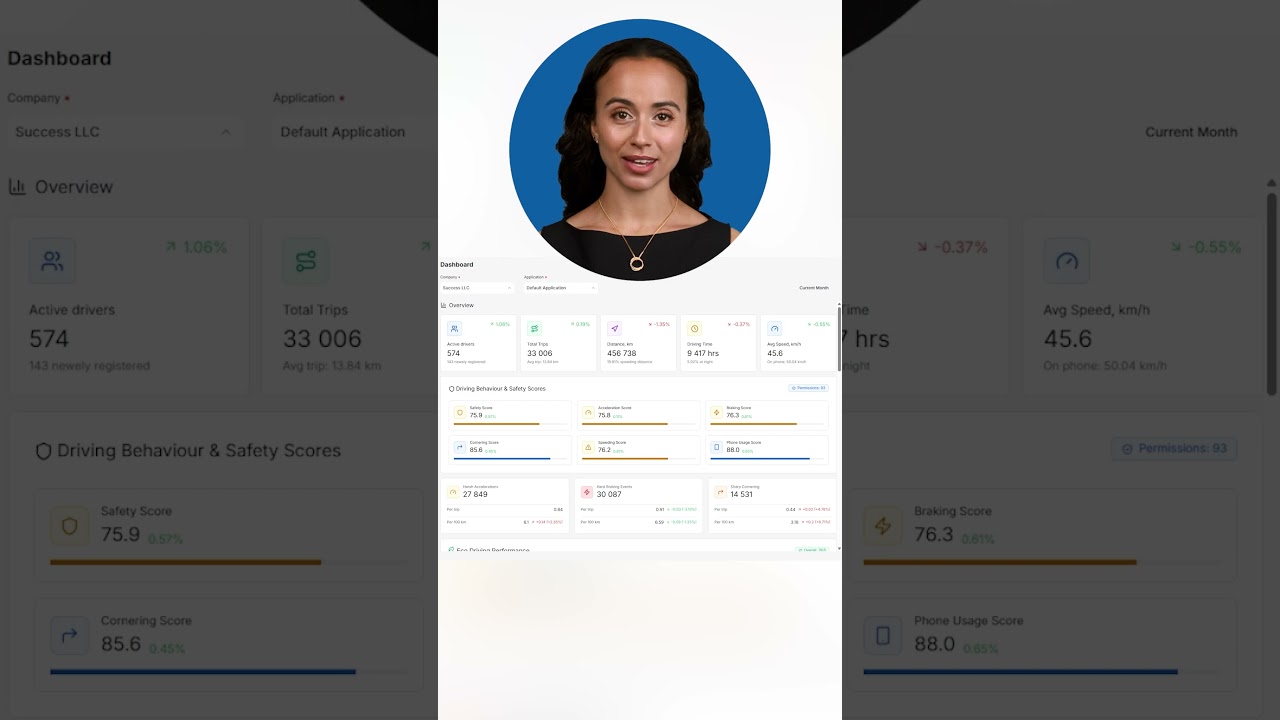
Decoding Driving Behavior and Safety Scores
Safety scores provide a clear, data-driven snapshot of how safely your fleet is operating. Instead of relying on guesswork or periodic reviews, safety scoring systems measure key indicators in real time. These metrics typically include:
- Harsh Braking and Acceleration: Indicators of distracted or aggressive driving.
- Speeding Violations: Tracking how often drivers exceed posted speed limits.
- Cornering and Maneuvering: Identifying sharp turns that put unnecessary stress on vehicles and cargo.
By aggregating these data points into a single, intuitive safety score, you can instantly pinpoint high-risk behavior and celebrate your top-performing drivers.
Leveraging Telematics to Boost Fleet Safety
Implementing telematics technology is more than just installing tracking hardware; it is about turning raw data into meaningful action. Modern fleet platforms automatically analyze driving trends over time, helping you identify where fleet performance is improving and where additional training is needed.
With real-time alerts, fleet operators can instantly notify drivers of unsafe practices, encouraging immediate course correction. Over time, addressing these habits drastically reduces fuel consumption, minimizes wear and tear on vehicles, and lowers overall insurance premiums.
Transform Data into Actionable Coaching
To truly elevate your fleet’s safety culture, safety scores should be integrated into your ongoing training programs. Here is how to make the most of your driving data:
1. Set Clear Benchmarks: Establish realistic target safety scores for your team.
2. Provide Targeted Coaching: Focus your training efforts on drivers with lower scores to help them address specific risk factors.
3. Incentivize Safe Driving: Create friendly competition by recognizing and rewarding drivers who consistently maintain top safety ratings.
By actively analyzing driving behavior through telematics, fleets can lower operational costs while building a proactive, safety-first environment on the road.


