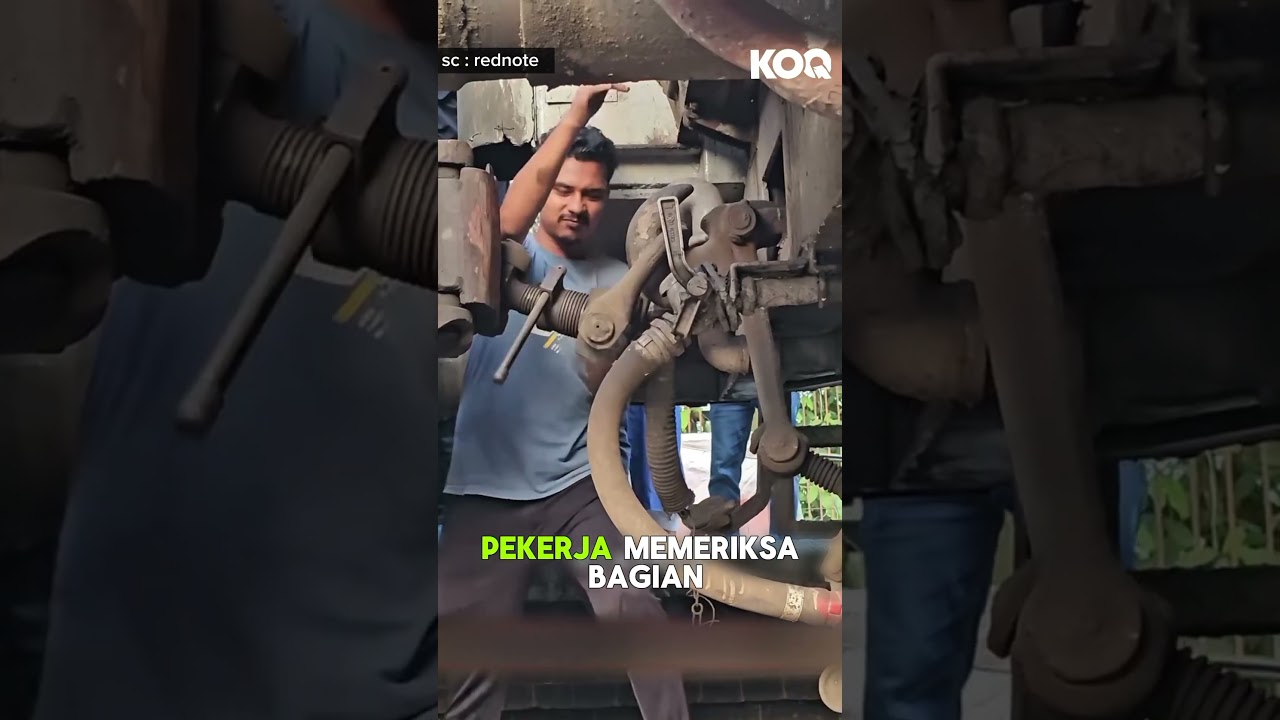
How Rail Engineering Keeps Every Connected Car Securely Linked
This article provides an in-depth exploration of Connected car, covering foundational concepts, practical applications, and engineering insights.
Have you ever stood at a railway crossing, watching a massive train glide past, and wondered how dozens of heavy carriages remain flawlessly joined together? Pulling thousands of tons across long distances requires incredible strength, precision, and engineering. The secret behind keeping every connected car securely attached lies in a critical mechanical component: the train coupler.
The Mechanics Behind Train Couplers
At the heart of every railway system is the coupler mechanism. Before modern innovations, linking train carriages was a dangerous manual job that relied on basic chains or link-and-pin systems. Today, railways rely on advanced automatic couplers, such as the Janney coupler (widely used in freight transport) and the Scharfenberg coupler (common in passenger and high-speed trains).
When train carriages push together, these mechanical couplers automatically lock onto one another. Once engaged, they endure immense tension and compression, ensuring that each connected car stays firmly in place through sharp turns, sudden stops, and high speeds.
More Than Just a Mechanical Link
Connecting train carriages isn't just about holding heavy metal together; it is also about sharing vital resources across the entire train line. Modern coupling systems do far more than mechanical latching. They integrate essential utility lines, including:
- Pneumatic Brake Lines: Allowing the driver to apply air brakes simultaneously across every carriage.
- Electrical Lines: Supplying power for lighting, heating, and air conditioning.
- Data Communications: Transmitting real-time telemetry and safety signals along the entire length of the train.
Thanks to these integrated systems, every connected car functions as part of a unified, highly synchronized network rather than an isolated vehicle.
Precision Engineering for Maximum Safety
Because a mechanical failure could lead to a dangerous decoupling event, rail couplers undergo rigorous maintenance and extreme stress testing. Engineers design couplers with built-in energy-absorbing draft gears to cushion the kinetic impacts created when trains accelerate or decelerate.
The next time you see a long train rolling down the tracks, you'll know the incredible science at work between the carriages. It is a testament to how modern engineering keeps heavy transportation safe, efficient, and seamlessly connected.
Visual Insights & Illustrations


