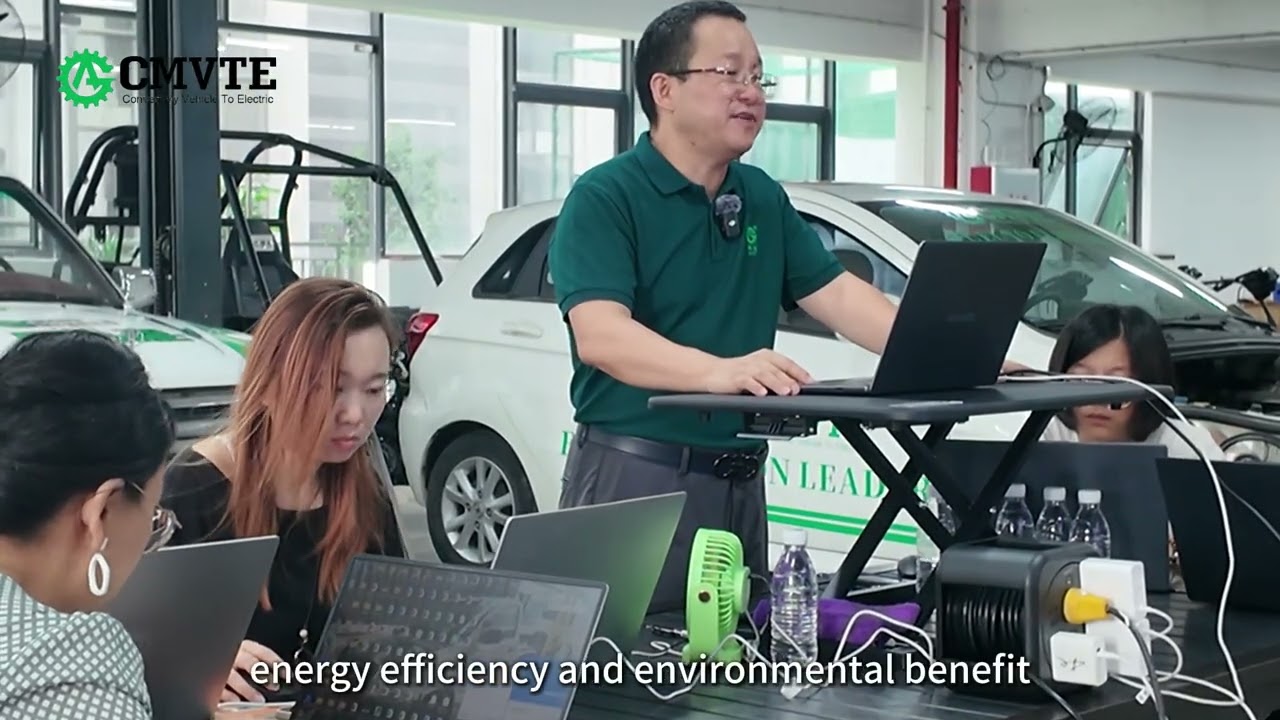
Designing the Ultimate EV Powertrain: How to Balance Performance and Range
This article provides an in-depth exploration of Powertrain, covering foundational concepts, practical applications, and engineering insights.
Converting a traditional internal combustion vehicle into an electric vehicle (EV) is one of the most rewarding automotive projects you can undertake. However, the ultimate success of your build relies almost entirely on how intelligently you select and configure your electronic drive components.
Understanding the Electric Drive System
The heart and soul of any electric vehicle transformation is its powertrain. Unlike internal combustion engines with hundreds of moving parts, an electric system relies on a few core components working in total harmony: the battery pack, motor controller/inverter, electric motor, and drivetrain interface. Designing a custom powertrain requires a clear understanding of how these components interact to deliver smooth, efficient power to the wheels.
Striking the Balance: Performance vs. Range
The biggest challenge in custom EV design is finding the sweet spot between high performance and practical driving range. High-output electric motors deliver thrilling torque and rapid acceleration, but they demand substantial current. Meeting this power demand requires larger battery modules, which add significant weight to the chassis. That extra weight, in turn, can decrease your overall driving range if not properly accounted for.
To achieve an optimal setup, you need to calibrate your powertrain specifications based on your specific driving goals. Consider the following factors during your planning phase:
* Vehicle Usage: Will this build serve as a high-performance track car or a practical daily commuter?
* Curb Weight: How will the final weight of the batteries and motor affect suspension, braking, and overall energy consumption?
* Gear Ratios: What transmission or reduction gear setup best aligns with your motor’s efficiency band and torque curve?
Steps to Optimize Your EV Conversion
- Define Performance Metrics: Set realistic goals for top speed, 0-60 mph acceleration, and desired range on a single charge.
- Calculate Energy Demands: Estimate rolling resistance, aerodynamic drag, and overall weight to determine necessary motor power.
- Match Battery and Controller Specs: Ensure your battery management system and cell pack can comfortably handle the peak continuous discharge rates demanded by your controller.
By carefully sizing and matching your components, you can build a custom electric vehicle that delivers high-energy efficiency, responsive handling, and impressive reliability on every drive.
Visual Insights & Illustrations


