As automotive technology rapidly advances, modern four-wheelers are relying more on electronic control units and automated systems to enhance fuel efficiency and driver convenience. The introduction of BS6-compliant Automated Manual Transmission (AMT) systems marks a significant shift from traditional manual gearboxes to computer-controlled driving mechanics. Understanding how to diagnose and resolve issues in these sophisticated systems is crucial, as mastering these basics forms the bedrock of modern autonomous vehicle troubleshooting.
Understanding the Mechanics of BS6 AMT Systems
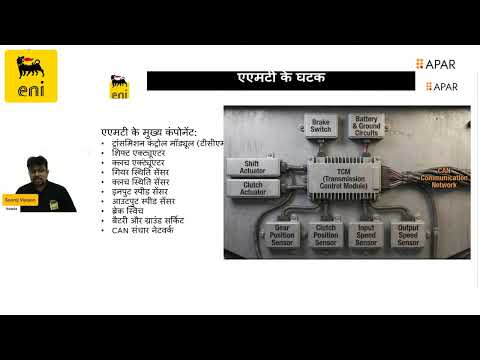
An Automated Manual Transmission uses electronic sensors, actuators, and a Transmission Control Unit (TCU) to manage clutch operation and gear shifts automatically. While this setup offers the efficiency of a manual transmission with the convenience of an automatic, it also introduces electronic and electromechanical complexity. Common issues in BS6 AMT systems include delayed gear engagement, harsh shifting, clutch slippage, and warning light illuminations on the dashboard. Identifying whether an issue stems from a mechanical failure or a sensor mismatch is the first critical step in modern vehicle maintenance.
Essential Diagnostic Steps for Technicians
Troubleshooting automated transmission systems requires a structured approach that blends physical inspection with electronic diagnostics:
- Diagnostic Trouble Code (DTC) Scanning: Connect a modern OBD-II scanner to read error codes stored in the TCU and Engine Control Module (ECM). This pinpoints sensor failures or signal disruptions instantly.
- Actuator and Sensor Inspection: Check the wiring harness, connectors, and gear-shift actuators for physical wear, corrosion, or loose connections.
- Hydraulic and Fluid Checks: Verify fluid levels and inspect for leaks within the hydraulic shifting unit, as low pressure directly causes shift delays.
- System Calibration and Re-learning: After replacing sensors or components, perform a TCU adaptational reset so the software aligns with the mechanical tolerances.
Whether you are servicing standard AMT setups or working with advanced driver-assistance systems (ADAS), effective autonomous vehicle troubleshooting relies heavily on systematic diagnostics and precise data analysis.
Preparing for the Future of Automotive Service
As vehicles shift from simple automated gearboxes to fully self-driving architectures, the reliance on sensors, actuators, and intelligent control algorithms will only increase. By building a structured diagnostic routine for modern BS6 AMT vehicles today, automotive technicians and enthusiasts can comfortably navigate the evolving landscape of autonomous vehicle troubleshooting tomorrow. Regular maintenance, software updates, and precise sensor calibration remain the best strategies to ensure safety, performance, and long-term vehicle reliability.


