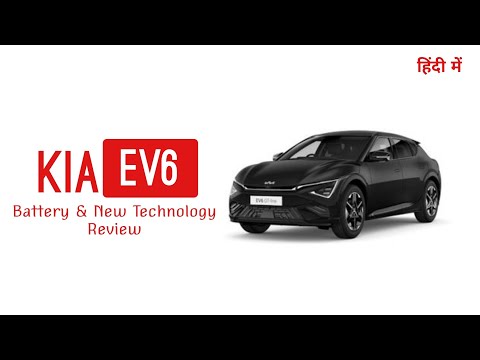
The electric vehicle landscape in India is evolving at a breakneck pace, and the Kia EV6 stands at the forefront of this revolution. No longer are electric cars seen merely as city commuters; they are now being judged by their performance, design, and, most importantly, the sophistication of their underlying EV tech. The Kia EV6 isn't just another addition to the market—it’s a bold statement of what is possible when innovation meets efficiency.
The Powerhouse Under the Hood: Battery and Performance
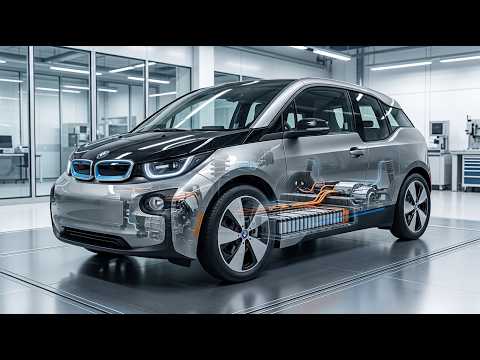
At the heart of the Kia EV6 is the Electric-Global Modular Platform (E-GMP). Unlike many internal combustion engine (ICE) conversions, the EV6 is built from the ground up as an electric vehicle. This allows for a flat floor and a massive battery pack that doesn't compromise interior space. Equipped with a 77.4 kWh battery, the EV6 offers a driving range that eliminates range anxiety, making it a viable option for long-distance highway cruising across India.
Redefining Charging Speeds
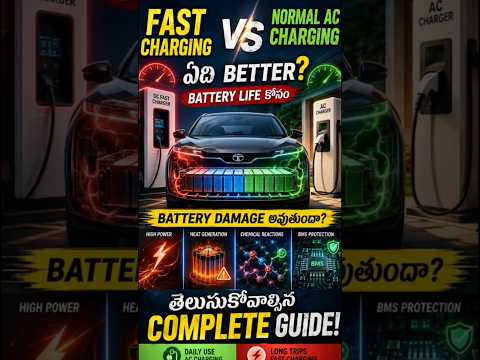
One of the most frequent questions asked is: Is the Kia EV6 the fastest-charging electric car in India? The answer lies in its ultra-fast 800V charging architecture. While most electric vehicles operate on a 400V system, the EV6’s advanced EV tech allows it to support 350kW DC fast chargers. This means you can juice up from 10% to 80% in as little as 18 minutes. For a country where charging infrastructure is still growing, having a car that spends less time plugged in and more time on the road is a massive competitive advantage.
Innovative Features and V2L Technology
Beyond just speed and range, the Kia EV6 introduces features that change how we interact with our cars. A standout feature is the "Vehicle-to-Load" (V2L) technology. This essentially turns your car into a giant power bank, capable of supplying up to 3.6kW of power to external appliances. Whether you need to charge a laptop, run a coffee machine during a camping trip, or even provide emergency power to another EV, the EV6 makes it possible.
Conclusion: A New Era for Indian Roads
The Kia EV6 is more than just a premium crossover; it is a masterclass in modern EV tech. By combining futuristic design with industry-leading charging capabilities and practical performance, Kia has set a high bar for the Indian electric vehicle segment. If you are looking for a vehicle that offers a glimpse into the future of sustainable mobility, the EV6 is undoubtedly the frontrunner.