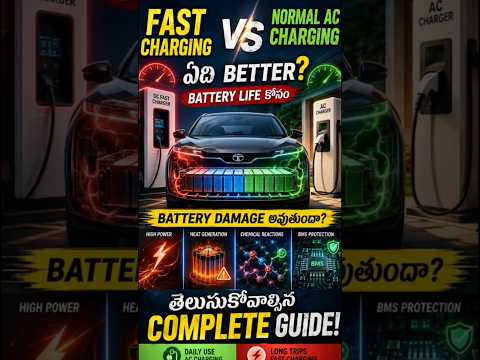
Switching to an electric vehicle is an exciting step toward sustainable living, but understanding the nuances of EV tech is crucial for protecting your investment. One of the most debated topics among new owners is how different charging methods impact the long-term health of the vehicle's battery. To get the most out of your car, you need to find the perfect balance between convenience and care.
Fast Charging vs. AC Charging: The Main Difference
DC Fast Charging is incredibly convenient, especially during long road trips where you need to get back on the road quickly. However, this speed comes at a cost. Fast charging pushes a high volume of current into the battery in a short amount of time, which generates significant heat.
On the other hand, Normal AC Charging—the kind typically used with home wall boxes—is much slower and gentler. Because it produces less heat, it is generally considered the "healthier" option for the lithium-ion cells inside your car. Modern EV tech is designed to handle both, but relying solely on fast chargers can lead to slightly faster battery degradation over several years.
The Role of the Battery Management System (BMS)
Every modern electric car is equipped with a Battery Management System (BMS). This is a sophisticated piece of EV tech that monitors temperature, voltage, and current. When you use a fast charger, the BMS often slows down the charging speed once the battery reaches 80% to prevent overheating and cell damage. This is why you’ll notice the last 20% of charging takes much longer than the first 80%.
Pro Tips for Battery Longevity
To ensure your battery remains efficient for as long as possible, follow these simple guidelines: * The 80/20 Rule: Try to keep your battery level between 20% and 80% for daily use. Extreme fullness or emptiness puts more stress on the cells. * Prioritize AC Charging: Use home charging for your daily commutes and save DC fast charging for emergencies or long-distance travel. * Avoid Extreme Heat: Whenever possible, charge your vehicle in a shaded area or a garage to keep the battery temperature stable. * Regular Software Updates: Manufacturers often release updates that improve how the vehicle manages power and charging efficiency.
By understanding how your vehicle handles power, you can maximize your range and keep your electric vehicle running smoothly for years to come.


