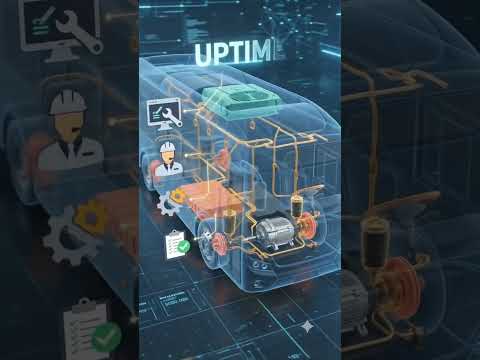
As transit systems worldwide transition to sustainable energy, the reliability of electric buses has become a top priority for fleet managers. Keeping a fleet operational isn't just about the batteries; it involves a deep understanding of the sophisticated EV tech that keeps these massive vehicles running smoothly day after day. One of the most overlooked yet vital components in this equation is the air suspension system and its role in overall vehicle longevity.
The Critical Role of Air Suspension Engineering
Electric buses carry a unique challenge: the significant weight of battery packs. This weight puts immense pressure on the chassis and suspension. Modern air suspension engineering is designed to handle these varying passenger loads while maintaining a consistent ride height. By dampening vibrations, the suspension protects sensitive high-voltage components from mechanical stress, which is essential for preventing premature hardware failure.
Proactive Maintenance for High Uptime
To maximize uptime, technical teams must move beyond reactive repairs and adopt a rigorous, data-driven maintenance schedule. Unlike traditional diesel buses, electric variants require a specialized focus on air compressors and leveling valves that integrate directly with the vehicle’s central computer.
By leveraging the latest EV tech for real-time diagnostics, technicians can identify minor air leaks or valve irregularities before they escalate into costly roadside breakdowns. A well-maintained suspension system doesn't just improve passenger comfort; it reduces energy consumption by ensuring the bus operates at its most aerodynamic profile.
Engineering for Longevity and Efficiency
The ultimate goal of any fleet maintenance guide is to minimize the "Total Cost of Ownership" (TCO). High-quality engineering in the air suspension assembly reduces mechanical friction and prevents uneven tire wear. When fleet operators master these technical nuances, they can significantly extend the operational life of their vehicles.
Staying ahead in the transport industry means embracing the complexities of modern engineering. Integrating robust maintenance practices with cutting-edge EV tech ensures that your fleet remains on the road, providing reliable service while hitting your organization's sustainability targets. By prioritizing these technical details today, you guarantee a more efficient and profitable transit system for tomorrow.


