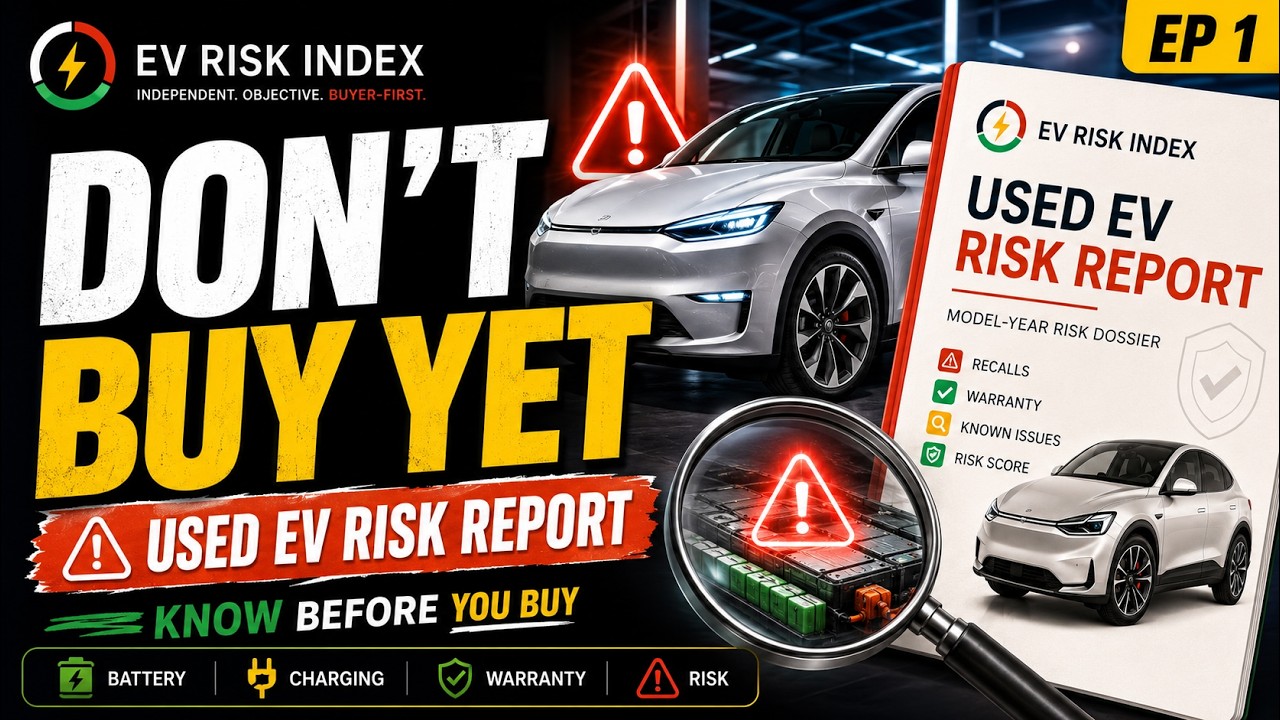
The Ultimate 2026 Used EV Buying Guide: How to Evaluate Modern EV Tech
This article provides an in-depth exploration of EV tech, covering foundational concepts, practical applications, and engineering insights.
As we move into 2026, the secondary market for electric vehicles has shifted from a niche segment to a mainstream powerhouse. With more models than ever reaching the five-year mark, savvy shoppers can find incredible deals—if they know what to look for. Buying a pre-owned electric car isn't quite like buying a traditional internal combustion vehicle; it requires a specialized approach to inspection and verification. To ensure you’re making a smart investment, you need to understand how EV tech has evolved and what specific risks to look out for.
Prioritize Battery Health and Diagnostics
The heart of any electric car is its battery pack. By 2026, many first-generation long-range EVs will be entering the used market with significant mileage. When inspecting a vehicle, your absolute priority should be the State of Health (SOH) of the battery. Modern EV tech now allows for more precise diagnostic tools than ever before. Rather than relying on the dashboard’s range estimate (which can be misleading), request a comprehensive battery health report. Look for signs of excessive degradation and check if the original battery warranty is still valid and transferable.
Software Support and Connectivity
In the modern era, an electric vehicle is essentially a computer on wheels. A car's value in 2026 is heavily tied to its ability to receive over-the-air (OTA) updates. Before signing any paperwork, verify the vehicle’s software version and ensure the manufacturer still supports the hardware. High-quality EV tech ensures that your car stays relevant with the latest efficiency improvements, safety patches, and charging station maps. If a vehicle has been "orphaned" by its manufacturer in terms of software updates, its resale value and utility will likely plummet.
The EV Risk Index: Vital Questions for the Seller
Before you finalize the deal, go through a specific checklist to mitigate your risk. Ask the seller about their charging habits: Was the car frequently fast-charged to 100%, or was it kept between the optimal 20% and 80% range? Check the thermal management system to ensure the cooling pumps are functioning correctly, as heat is the primary enemy of battery longevity.
By focusing on these technical pillars, you can navigate the 2026 used market with confidence, securing a vehicle that is both environmentally friendly and financially sound.
Visual Insights & Illustrations


