Showing posts with label EV Charging. Show all posts

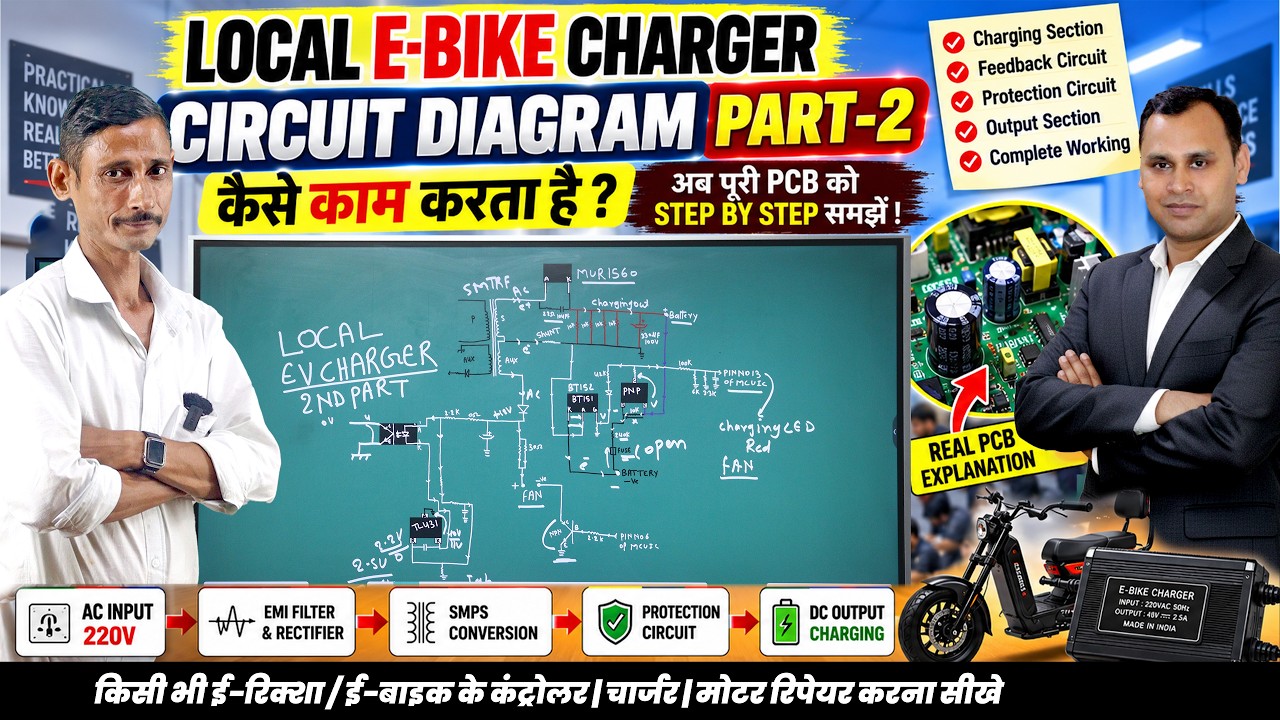
Demystifying EV Tech: Inside the Local EV Charger Protection Circuit and PCB

Automotive
Demystifying EV Tech: Inside the Local EV Charger Protection Circuit and PCB

Demystifying EV Tech: Inside the Local EV Charger Protection Circuit and PCB

This article provides an in-depth exploration of EV tech, covering foundational concepts, practical applications, and engineering insights.

Electric vehicles, particularly local E-Bikes and E-Rickshaws, are transforming daily urban transportation. Behind every reliable electric ride is a crucial component that keeps it moving: the EV charger. As sustainable transportation expands, mastering EV tech—especially charger schematics and protection mechanisms—has become an essential skill for technicians, engineers, and enthusiasts looking to repair and maintain these systems effectively.

The Core Mechanics of the Charging Section

The charging section is the heart of any local EV battery charger. Its primary function is to step down high-voltage AC current from standard wall outlets and convert it into a stable, regulated DC output suitable for lithium-ion or lead-acid batteries. Key components within this section include the bridge rectifier, filtering capacitors, and high-frequency switching transformers. Understanding how voltage flows through these stages is essential for identifying common failures, such as blown input fuses or damaged power MOSFETs.

The Critical Role of Protection Circuits

Safety is paramount when dealing with high-current charging systems. Local chargers are often exposed to unstable power grids, making robust protection circuits non-negotiable. Modern EV tech incorporates multi-layered defense mechanisms directly onto the PCB layout:

  • Over-Voltage Protection (OVP): Prevents sudden grid voltage spikes from reaching and damaging the battery pack.
  • Over-Current Protection (OCP): Limits the flow of electricity to protect internal components from thermal stress.
  • Thermal Cutoff: Automatically shuts down operation if internal temperatures exceed safe operating limits.

By analyzing how these protection loops interact with the main control IC, technicians can quickly pinpoint why a charger enters a fault loop or fails to initiate a charging cycle.

Complete PCB Diagnostics and Repair Techniques

A complete evaluation of the printed circuit board (PCB) reveals how low-voltage control signals manage high-power energy pathways. Trace line mapping, checking optocouplers, and signal testing with multimeters are standard diagnostic steps when analyzing board-level failures. Gaining hands-on expertise in local EV tech allows technicians to perform precise component-level repairs, drastically reducing downtime and costs for fleet operators. Whether you are servicing local E-Rickshaws or exploring power electronics, understanding complete PCB functionality is vital in today's electric mobility landscape.

🎬 Related Video Reference

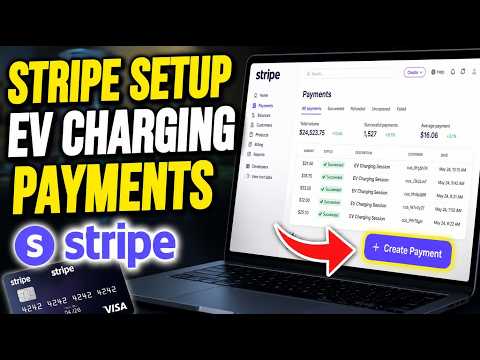
Streamlining Payments in EV Tech: A Complete Guide to Setting Up Stripe for EV Charging Stations

The landscape of sustainable transportation is evolving rapidly, and at the heart of this revolution is the advancement of EV tech. As more drivers transition to electric vehicles, the demand for reliable, user-friendly charging infrastructure has never been higher. However, building a charging station is only half the battle; ensuring a seamless payment experience for your customers is what truly defines a successful operation.

One of the most efficient ways to manage transactions is by integrating Stripe into your payment ecosystem. Known for its robust security and developer-friendly tools, Stripe is an ideal choice for operators looking to professionalize their charging network.

Why Choose Stripe for Your Charging Business?

Stripe offers a level of flexibility that many traditional merchant services lack. For charging station owners, it provides the ability to handle various transaction types, including one-time "pay-as-you-go" sessions, pre-authorizations (to ensure a user has sufficient funds), and monthly subscription models for frequent flyers. By incorporating this level of financial sophistication into your EV tech stack, you reduce friction at the plug and improve customer retention.

Step-by-Step Setup Process

  1. Account Creation and Verification: Start by creating a Stripe business account. You will need to provide business registration details and link a bank account where your charging revenue will be deposited.
  2. API Integration: To connect your charging hardware or management software to Stripe, you will need your API keys (both "Secret" and "Publishable"). These allow your charging stations to communicate securely with Stripe’s servers.
  3. Configuring Webhooks: Webhooks are essential for receiving real-time notifications. They inform your system the moment a payment is successful, allowing the charger to release power to the vehicle instantly.
  4. Testing in Sandbox Mode: Before going live, use Stripe’s "Test Mode" to simulate various charging scenarios. This ensures that the user interface handles cards correctly and that the charging session triggers as expected.

Enhancing the Customer Experience

Beyond just processing payments, Stripe allows you to analyze customer behavior. You can track peak charging times, average spend per user, and churn rates for subscription members. Utilizing these insights helps you refine your EV tech solutions, ensuring your infrastructure meets the actual needs of the local driving community.

Setting up Stripe for EV charging customer payments is a strategic move that future-proofs your business. By providing a secure, fast, and familiar checkout process, you allow drivers to focus on what matters most: getting back on the road with a full charge.

EV tech

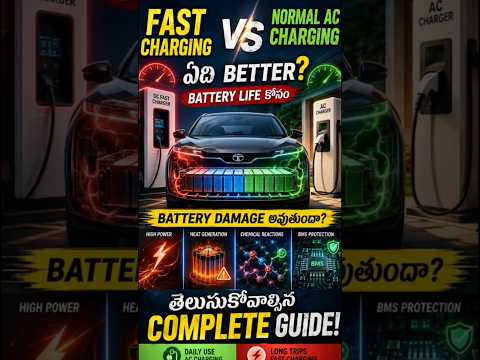
Fast Charging vs. AC Charging: How Modern EV Tech Protects Your Battery Life

Electric vehicles are rapidly transforming the automotive industry, offering an eco-friendly and cost-effective alternative to traditional gasoline cars. However, one common question among new electric car owners revolves around battery health: Is fast charging damaging your battery, or should you stick exclusively to normal AC charging? Understanding how modern EV tech handles power delivery can help you make the smartest choices for your vehicle's longevity.

Fast DC Charging vs. Normal AC Charging

To understand battery health, it helps to know how charging works. Alternating Current (AC) charging is standard for home wall boxes and overnight charging. It delivers power gradually, causing minimal heat buildup inside the battery cells.

On the other hand, Direct Current (DC) Fast Charging supplies high voltage directly to the battery, allowing you to charge up to 80% in a fraction of the time. While fast charging is incredibly convenient for long road trips, the rapid transfer of energy generates higher temperatures, which—if overused—can accelerate battery degradation over time.

The Role of Smart Battery Management Systems

Fortunately, advancements in EV tech have drastically reduced the risks associated with rapid power transfer. Modern electric vehicles come equipped with sophisticated Battery Management Systems (BMS). The BMS acts as the brain of your EV battery, constantly monitoring cell temperature, voltage, and state of charge. When you plug into a fast charger, the BMS dynamically adjusts the charging speed to protect the battery from overheating and overcharging.

Essential Tips to Extend EV Battery Life

To get the maximum range and lifespan from your electric vehicle, follow these simple best practices:

  • Maintain the 20-80 Rule: Keep your battery charge level between 20% and 80% for daily driving. Deep discharges and keeping the battery at 100% for extended periods put extra stress on the cells.
  • Use Fast Charging Strategically: Reserve DC fast charging for long-distance journeys or urgent needs. Use normal AC charging for your daily overnight routines.
  • Avoid Hard Driving Right After Fast Charging: Allow your battery temperature to stabilize before aggressive acceleration.

By leveraging intelligent EV tech and adopting smart charging habits, you can enjoy ultimate driving convenience while keeping your electric vehicle's battery healthy for years to come.

EV tech

Monetizing EV Tech: How to Set Up Stripe for Seamless EV Charging Payments

As the electric vehicle revolution continues to gain momentum worldwide, modern EV tech is rapidly reshaping how we power our transportation. For Charge Point Operators (CPOs) and business owners investing in charging infrastructure, providing a frictionless payment experience is just as critical as offering fast charging speeds.

Integrating a reliable, secure payment gateway like Stripe can transform how you collect customer payments. Here is a step-by-step guide to setting up and using Stripe for your EV charging business.

Why Choose Stripe for EV Charging Payments?

Stripe is one of the most flexible and scalable payment platforms available today. For businesses operating in the electric mobility sector, Stripe provides several distinct advantages: * Global Reach: Accept payments in multiple currencies from international drivers. * Automated Billing: Easily handle pay-per-use session billing or subscription-based models. * Top-Tier Security: Built-in PCI-DSS compliance ensures customer financial data remains protected.

Step-by-Step Guide to Integrating Stripe

Setting up Stripe within your charging management software is straightforward when following these core steps:

  1. Create and Verify Your Stripe Account: Sign up on Stripe’s official portal, complete your business verification, and link your business bank account for payouts.
  2. Access Your API Keys: Navigate to the Developer section in your Stripe Dashboard to retrieve your Publishable and Secret API keys.
  3. Connect to Your Charging Platform: Input the API keys into your Charging Station Management System (CSMS). This seamlessly links payment processing directly into your existing EV tech stack.
  4. Enable Digital Wallets: Configure Stripe to accept contactless payment methods like Apple Pay and Google Pay, allowing drivers to tap and pay effortlessly at the station.
  5. Run Test Transactions: Before going live, use Stripe’s sandbox/test mode to simulate charging sessions, pre-authorization holds, and refunds.

Best Practices for EV Payment Management

To optimize the customer experience, implement temporary pre-authorization holds before a charging session starts. This guarantees funds are available while preventing unexpected payment failures. Additionally, set up automated digital receipts via email or mobile apps to build long-term trust with your users.

Final Thoughts

Streamlining payment processing is essential for building a profitable and user-friendly charging network. By pairing Stripe with cutting-edge EV tech, you ensure a smooth, secure, and modern payment process for every driver who plugs in. Start integrating Stripe today to scale your EV charging operations with confidence!

EV tech

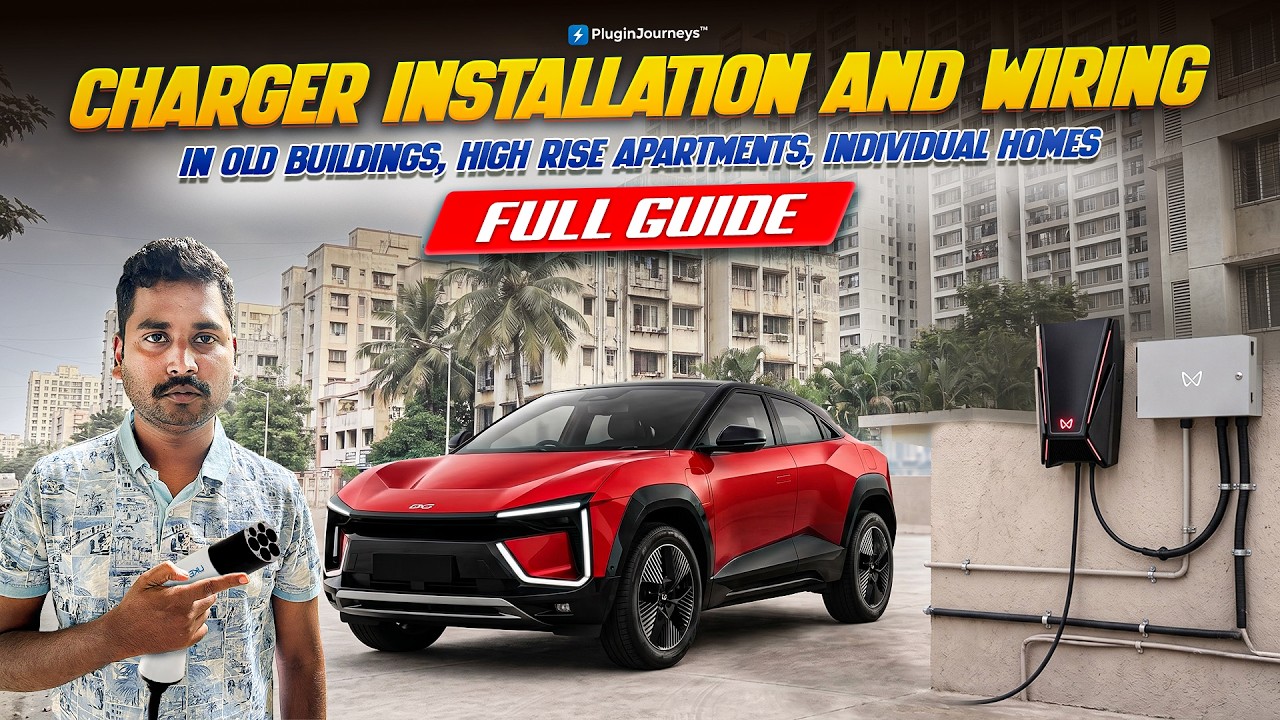
The Ultimate Guide to Home Charging: How Modern EV Tech Works for Every Living Space

Automotive
The Ultimate Guide to Home Charging: How Modern EV Tech Works for Every Living Space

The Ultimate Guide to Home Charging: How Modern EV Tech Works for Every Living Space

This article provides an in-depth exploration of EV tech, covering foundational concepts, practical applications, and engineering insights.

Are you planning to make the switch to an electric vehicle, but feel overwhelmed by home charging logistics? You are not alone. Whether you live in a spacious villa, an older apartment building, or a modern high-rise, figuring out how to plug in overnight is one of the biggest hurdles for new buyers. Fortunately, rapid advancements in modern EV tech have made home charging more accessible, flexible, and efficient than ever before.

Here is your complete guide to setting up a seamless home charging station, no matter where you live.

Charging in Villas and Independent Homes

If you live in a detached home or villa, you have the simplest setup process. Most owners start with a standard 120V outlet for basic Level 1 charging, but for faster daily top-ups, installing a dedicated 240V Level 2 wallbox is the gold standard.

Integrating smart EV tech into your home setup allows you to schedule charging during off-peak hours, dramatically lowering your utility bills while ensuring your vehicle is fully charged every morning.

Overcoming Challenges in High-Rises and Apartments

Charging an EV becomes trickier when you share a parking structure or live in an older building with outdated electrical wiring. However, smart solutions make it entirely possible:

  • Dynamic Load Balancing: This innovation prevents power overloads by automatically adjusting the electricity sent to your vehicle based on the building’s real-time energy demand.
  • Community Shared Chargers: Many high-rise complexes now install shared Level 2 stations equipped with mobile apps or RFID cards for easy billing.
  • Dedicated Sub-Meters: In older apartments, working with a certified electrician to install a separate meter connected directly to your parking spot ensures accurate energy tracking.

Essential Steps Before You Install

Before purchasing equipment, take these practical steps to ensure a smooth installation:

  • Assess Your Daily Mileage: If your daily commute is short, a basic setup might suffice. Long commuters will want a higher-amperage Level 2 charger.
  • Consult a Certified Electrician: Have a professional evaluate your panel capacity to determine if an electrical service upgrade is necessary.
  • Get HOA or Building Approval Early: If you reside in an apartment or HOA-managed community, submit your proposal early to navigate building regulations smoothly.

Embracing cutting-edge EV tech makes owning an electric car painless and convenient. With the right setup tailored to your specific living situation, you can wake up every day to a fully charged battery and enjoy the full freedom of electric mobility!

Visual Insights & Illustrations

EV tech
EV tech
EV tech

Unlocking EV Tech: How to Set Up Stripe for Seamless EV Charging Payments

The electric vehicle revolution is in full swing, and managing a successful charging network requires more than just high-speed hardware—it demands frictionless payment processing. As cutting-edge EV tech advances, station operators need reliable, scalable software solutions to handle customer transactions efficiently. Enter Stripe, one of the world’s leading payment gateways.

In this guide, we will walk you through how to integrate and use Stripe to power payments for your EV charging infrastructure.

Why Stripe is Ideal for Charging Networks

Integrating a robust payment processor into your business model is essential for monetization. Stripe offers specialized features that fit perfectly into modern EV tech platforms, including:

  • Flexible Payment Models: Support pay-as-you-go charging, dynamic time-based pricing, or recurring subscription plans for fleet operators.
  • Global & Mobile Compatibility: Accept international credit cards, mobile wallets like Apple Pay and Google Pay, and local payment methods seamlessly.
  • Top-Tier Security: Built-in PCI compliance and advanced fraud detection keep customer financial data safe.

Step-by-Step: Setting Up Stripe for Your Charging Stations

1. Create and Verify Your Stripe Account

Start by registering a business account on the Stripe portal. Complete the business identity and bank verification processes to ensure smooth automated payouts.

2. Connect Stripe to Your Charge Point Management System (CPMS)

To automate transactions, link Stripe with your backend software or mobile app via API keys. Most modern Open Charge Point Protocol (OCPP) management platforms offer direct plugins or webhooks for effortless Stripe integration.

3. Define Your Pricing and Billing Logic

Configure your billing rules based on kilowatt-hours (kWh) consumed, session duration, or flat connection fees. Utilizing Stripe’s API allows you to set up pre-authorizations—holding funds before a charge session starts—to prevent unpaid usage.

4. Test and Launch

Before going live, use Stripe’s Test Mode to simulate charging transactions, pre-authorization holds, refund requests, and failed payments to ensure your payment workflow is seamless.

Final Thoughts

Deploying an intuitive, secure payment gateway is a crucial component of any successful EV tech business strategy. By leveraging Stripe, charging point operators can eliminate payment friction and deliver a hassle-free checkout experience that keeps EV drivers coming back.

EV tech

Unlock Faster Charging: Easy Steps to Update Your E-mobility App

Automotive
Unlock Faster Charging: Easy Steps to Update Your E-mobility App

Unlock Faster Charging: Easy Steps to Update Your E-mobility App

This article provides an in-depth exploration of E-mobility, covering foundational concepts, practical applications, and engineering insights.

Navigating the world of electric vehicles should be seamless, but nothing frustrates a driver more than pulling up to a charging station only to find it occupied or out of service. As e-mobility continues to transform modern transportation, relying on precise, real-time data is critical. One simple yet frequently overlooked trick to finding faster charger availability is keeping your charging app up to date.

Here is an easy guide on why keeping your software current matters and how to update it in just a few simple steps.

Why Updating Your App Matters

EV charging networks continuously optimize their software infrastructure to provide real-time availability, improved map accuracy, and faster app performance. If you are running an outdated version of your application, you might be viewing delayed station statuses, which can lead to unnecessary wait times.

Regular updates ensure you receive instant notifications about newly available stalls, updated charging speeds, and out-of-order maintenance alerts. Staying updated is essential to getting the best performance out of the rapidly expanding e-mobility ecosystem.

Step-by-Step Guide to Updating Your App

Updating your application takes less than two minutes, but it can save you valuable time on the road:

  1. Visit Your App Store: Open the Apple App Store or Google Play Store on your mobile device.
  2. Search for Your App: Type in the name of your preferred charging network provider.
  3. Select Update: If an update is available, tap the "Update" button. To save time in the future, toggle on "Automatic Updates" in your phone settings.
  4. Verify Location Permissions: Make sure your app has access to your location services to retrieve the most accurate nearby charger availability instantly.

Maximize Your Driving Experience

A fully updated app grants you access to precise live data, streamlined payment methods, and optimized route planning. Don't let outdated software slow down your journey—take a moment to update your app today and enjoy a hassle-free driving experience wherever you go!

Visual Insights & Illustrations

E-mobility
E-mobility
E-mobility

How to Evaluate Economic Benefits of Faster Charging

The global transition to electric vehicles (EVs) is accelerating, making the efficiency of charging infrastructure a critical point of discussion. For businesses, fleet operators, and property owners, investing in EV stations is no longer just about sustainability—it is a core financial strategy. Understanding how to evaluate the economic benefits of faster charging is essential to maximizing your return on investment (ROI).

In this article, we will break down the key financial metrics, operational advantages, and long-term value that high-speed charging infrastructure brings to the table.

1. Increased Turnover and Revenue Generation

The most direct economic benefit of upgrading to a faster charging speed is the ability to serve more vehicles in less time. Standard Level 2 chargers can take hours to fill a battery, limiting the number of daily customers. In contrast, DC Fast Charging (DCFC) can power up an EV to 80% in under 30 minutes.

  • Higher Throughput: Faster charging means higher station turnover, allowing you to monetize more charging sessions per day.
  • Premium Pricing: EV drivers are often willing to pay a premium for the convenience of saving time, directly boosting your profit margins.

2. Boosting Customer Dwell Time and Secondary Spend

When analyzing the EV charging infrastructure value proposition, you must look beyond direct charging fees. For retail centers, hotels, and restaurants, faster charging acts as a powerful customer magnet.

While a 30-minute charge is quick, it is the perfect window for a customer to grab a coffee, shop, or eat. This creates a "charging ecosystem" where the economic benefits of faster charging manifest as increased foot traffic and higher secondary retail spend.

3. Fleet Efficiency and Reduced Downtime

For commercial fleet operators, time is literally money. If your delivery vans, taxis, or service vehicles are sitting idle while plugged into a slow charger, your business is losing operational efficiency.

Key ROI Metric: Faster charging drastically minimizes vehicle downtime. This allows fleets to maintain continuous operations with fewer total vehicles, optimizing asset utilization and lowering capital expenditures.

4. Future-Proofing and Asset Valuation

As EV battery technology evolves, vehicles are becoming capable of accepting much higher power inputs. Investing in faster charging capabilities today ensures your infrastructure remains relevant tomorrow.

Properties equipped with high-speed EV charging infrastructure enjoy higher real estate valuation and attract premium tenants who view modern charging capabilities as an essential amenity.

Conclusion: Calculating Your ROI

To effectively evaluate the economic benefits of faster charging for your specific Use Case, you must weigh the higher initial hardware and installation costs against the long-term gains: increased session revenue, boosted retail sales, and reduced fleet downtime.

In the modern economy, speed equals convenience—and convenience is a commodity that drives serious financial returns.

How to Support Urban Charging Needs with Faster EV Turnover

As electric vehicles (EVs) become the norm rather than the exception, cities around the globe are facing a critical challenge: urban EV charging infrastructure is struggling to keep up with demand. Unlike suburban drivers who often have private garages, urban EV owners rely heavily on public charging networks. To prevent gridlock at charging hubs, the focus must shift from simply building more stations to achieving a faster EV turnover.

Optimizing charger availability ensures that more drivers can power up their vehicles daily without experiencing long wait times. Here is how cities and charge point operators (CPOs) can support high-demand urban areas effectively.

1. Deploying High-Power DC Fast Chargers

The most direct route to maximizing urban EV charging efficiency is speed. While Level 2 chargers are excellent for overnight or workplace parking, they are too slow for high-traffic city hubs. By strategically deploying Ultra-Fast DC chargers (150kW to 350kW), operators can reduce charging times from hours to mere minutes, directly boosting faster EV turnover rates.

2. Implementing Idle Fees and Dynamic Pricing

An empty EV plugged into a station is a bottleneck for the entire community. To discourage drivers from using charging bays as long-term parking spots, operators are increasingly implementing idle fees. Charging a fee the moment the battery reaches 100% incentivizes drivers to move their cars immediately. Additionally, dynamic time-based pricing can encourage charging during off-peak hours, balancing the load on the grid.

3. Smart Hub Design and Multi-Standard Plugs

Urban space is premium. Future-proof EV infrastructure must utilize space-efficient layouts. Implementing multi-standard plugs (CCS, NACS, CHAdeMO) on a single dispenser ensures compatibility for all vehicle types, reducing the time spent searching for a compatible plug. Furthermore, drive-through charging bay designs—similar to traditional gas stations—streamline traffic flow and prevent congestion.

4. Leveraging Data-Driven Micro-Hubs

Instead of relying on a few massive charging stations, urban centers benefit more from distributed "micro-hubs." By analyzing traffic patterns and EV registration data, city planners can install smaller clusters of fast chargers where they are needed most—such as near supermarkets, gyms, and retail centers where drivers naturally spend 30 to 45 minutes.

Key Takeaway: Supporting the next wave of electric mobility in cities isn't just about the number of plugs available; it’s about how quickly we can get vehicles charged and moving.

Conclusion

Achieving a faster EV turnover is essential for creating sustainable, livable smart cities. Through a combination of high-power hardware, smart policy enforcement like idle fees, and strategic urban planning, we can build a robust urban EV charging ecosystem that keeps pace with the green revolution.

How to Align Infrastructure Development with Battery Evolution

The global shift toward electric mobility and renewable energy has placed battery technology at the center of innovation. However, as batteries evolve to become denser, faster-charging, and longer-lasting, a critical challenge emerges: our existing infrastructure is lagging behind. To prevent bottlenecks, we must strategically align infrastructure development with the rapid pace of battery evolution.

The Current State of Battery Evolution

Today’s battery landscape is moving far beyond standard lithium-ion technology. We are witnessing the rise of solid-state batteries, silicon-anode chemistry, and ultra-fast charging capabilities. These advancements promise higher energy density and reduced charging times. However, grid capacity and charging stations must adapt to handle these high-power demands without failing.

Key Strategies for Infrastructure Alignment

To successfully integrate next-generation energy storage, infrastructure development must focus on three core pillars:

1. High-Power Charging Grids

Modern battery evolution is pushing toward megawatt charging systems (MCS), especially for commercial vehicles. Charging infrastructure must be upgraded with smart grid integration and local energy storage (such as stationary battery banks) to buffer the massive power spikes.

2. Future-Proofing Charging Stations

When investing in infrastructure development, scalability is key. Charging stations should be built with modular hardware that can easily be upgraded from 150kW to 350kW+ as vehicle battery management systems evolve to accept higher currents.

3. Second-Life Battery Integration

As EV batteries degrade to around 70-80% capacity, they are no longer ideal for vehicles but are perfect for stationary energy storage. Aligning infrastructure means creating pathways to reuse these batteries in grid stabilization and renewable energy storage systems.

The Path Forward

Achieving perfect alignment between battery innovation and infrastructure requires collaboration between automotive manufacturers, energy providers, and policymakers. By anticipating the needs of tomorrow's battery technology today, we can build a resilient, efficient, and truly sustainable energy ecosystem.

How to Reduce Charging Bottlenecks with Advanced Battery Tech

In our hyper-connected world, waiting hours for a smartphone, laptop, or electric vehicle (EV) to charge is becoming a thing of the past. As technology demands more power, the race to reduce charging bottlenecks has intensified. The secret weapon? Advanced battery tech.

Traditional lithium-ion batteries have served us well, but they are hitting their physical limits. When you try to push energy into them too quickly, they overheat, degrade, or worse, short-circuit. This creates a frustrating bottleneck. Thankfully, next-generation innovations are rewriting the rules of energy storage.

The Evolution of Fast Charging Solutions

To understand how we can overcome these delays, we need to look at the breakthroughs transforming the industry today. Scientists and engineers are moving beyond standard chemistry to introduce materials that allow ions to move faster and safer than ever before.

1. Solid-State Batteries: The Ultimate Game Changer

The most promising breakthrough in advanced battery tech is the transition from liquid electrolytes to solid-state chemistry. By eliminating the volatile liquid inside batteries, solid-state technology offers:

  • Unmatched Safety: Virtually zero risk of fire, even during ultra-fast charging.
  • Higher Energy Density: More power packed into a smaller, lighter space.
  • Zero Bottlenecks: Allows for massive currents to charge devices in minutes rather than hours.

2. Silicon Anodes and Graphene Integration

Another major bottleneck occurs at the anode (the negative electrode). Traditional graphite anodes swell and degrade under high stress. By replacing or combining them with silicon or graphene, batteries can absorb electrical currents at an unprecedented pace. Graphene, known for its superb electrical conductivity, acts like a multi-lane highway for electrons, drastically reducing charging times.

Smart Charging Ecosystems

Hardware is only half the battle. To truly reduce charging bottlenecks, software must work in tandem with new materials. Modern devices now utilize AI-driven thermal management and smart grid communication. These systems monitor battery health in real-time, adjusting the power intake dynamically to prevent overheating while maintaining maximum charging speed.

Conclusion: A Faster, Cleaner Future

The integration of advanced battery tech is no longer a luxury; it is a necessity for the future of green energy and mobile tech. By adopting solid-state designs, utilizing nanomaterials like graphene, and implementing smart charging solutions, the industry is successfully breaking through the charging bottleneck. Prepare yourself for a world where "low battery" is a minor inconvenience of the past.

How to Enable Smart Charging Coordination for High-Density EV Usage

As electric vehicle (EV) adoption skyrockets, commercial buildings, fleet depots, and residential complexes face a major challenge: power grid overload. Managing a massive influx of vehicles requires more than just adding plugs; it demands intelligent management. Here is a comprehensive guide on how to enable smart charging coordination for high-density EV usage without blowing your property’s fuses.

Understanding the Need for Smart Charging Coordination

When multiple electric vehicles plug in simultaneously, they create massive peak demands. Traditional EV charging infrastructure is often unequipped to handle this concurrent load. By implementing smart charging coordination, you introduce a centralized software solution that dynamically allocates available power to connected vehicles based on priority, battery status, and grid capacity.

Key Steps to Enable Smart Charging Coordination for High-Density EV Usage

1. Deploy OCPP-Compliant Smart Chargers

To establish a coordinated network, your hardware must be capable of communication. Ensure all charging stations support the Open Charge Point Protocol (OCPP 1.6J or OCPP 2.0.1). This allows the chargers to receive real-time power limit commands from a central management system.

2. Implement Dynamic Load Balancing Algorithms

The core of managing high-density EV usage is load balancing. Instead of delivering a fixed amount of power to each vehicle, the system adjusts the charging speed dynamically. If the building’s overall electricity consumption spikes, the EV chargers automatically throttle down, preventing blackouts.

How it works: If Total Building Capacity is 100kW, and the building uses 40kW, the remaining 60kW is distributed among active EVs. If another car plugs in, the 60kW is redistributed evenly or based on VIP priority.

3. Integrate with the Smart Grid (V2G and Demand Response)

True coordination goes beyond local load management. Successful smart grid integration allows your charging network to respond to utility signals. During peak grid hours, charging can be paused or slowed down (Demand Response), or EVs can even feed power back to the building via Vehicle-to-Grid (V2G) technology.

Feature Standard Charging Smart Coordinated Charging
Grid Risk High (Overload during peak hours) Zero (Regulated by software)
Infrastructure Cost Expensive grid upgrades required Optimized use of existing capacity
Charging Efficiency First-come, first-served Priority and AI-driven distribution

Conclusion

Enabling smart charging coordination for high-density EV usage is no longer an optional luxury—it is a necessity for sustainable energy management. By combining compliant hardware, smart software, and grid awareness, you can future-proof your facility while providing a seamless charging experience for every EV driver.

How to Optimize Charging Station Throughput with Faster Batteries

As electric vehicle (EV) adoption skyrockets, the pressure shifts to infrastructure. EV drivers want one thing: to get back on the road as quickly as possible. For charging station operators, the key performance metric is throughput—the number of vehicles served per day. But how do you maximize this without physical expansion? The answer lies in technology. Here is how to optimize charging station throughput with faster batteries.

The Bottleneck of Modern EV Infrastructure

Traditional charging stations face a major challenge: dwell time. When a vehicle takes 45 to 60 minutes to reach an 80% charge, a single charging stall can only handle a limited number of cars daily. This inefficiency leads to long queues, frustrated drivers, and lost revenue. To improve EV charging efficiency, we must look beyond the charger itself and focus on the vehicle's battery chemistry.

How Faster EV Batteries Unlock Station Potential

Integrating vehicles equipped with next-generation, faster EV batteries (such as solid-state or advanced lithium-ion silicon-anode batteries) completely changes the economics of charging stations. Here is the direct impact:

  • Reduce Charging Time: Advanced battery tech allows vehicles to accept higher currents safely, dropping charging times from 45 minutes to under 15 minutes.
  • Multiply Throughput: By cutting the time spent per vehicle by two-thirds, a single stall can serve three times as many EVs in the same window.
  • Minimize Grid Strain: Faster, smarter battery management systems (BMS) can smooth out peak power demands when paired with local energy storage.
Key Insight: Doubling the charger's power (e.g., from 150kW to 300kW) is useless if the vehicle's battery cannot accept the energy. True optimization requires a synergy between ultra-fast chargers and high-acceptance battery packs.

Strategies to Optimize Charging Station Throughput

If you are looking to future-proof your charging network, consider these core strategies:

1. Deploy Ultra-Fast DC Fast Chargers (DCFC)

Ensure your station infrastructure supports 350kW+ outputs. This prepares your site for the wave of next-gen EVs capable of ultra-fast charging speeds, ensuring you can actually optimize charging station throughput with faster batteries as they hit the market.

2. Implement Dynamic Power Sharing

Don't let power sit idle. Use smart software to dynamically allocate power to stalls where vehicles have the highest acceptance rates. If an EV with a faster battery plugs in, the system automatically routes maximum power to it to get it out of the stall quickly.

3. Use On-Site Battery Energy Storage Systems (BESS)

To support fast-charging batteries without triggering massive demand charges from your electric utility, integrate on-site storage. This buffers the grid and ensures consistent, maximum-speed charging during peak hours.

Conclusion

The future of e-mobility isn't just about building more stations; it’s about making existing stations smarter and faster. By aligning modern infrastructure with faster EV batteries, operators can dramatically reduce charging time, eliminate queues, and maximize profitability. Optimization is no longer optional—it is the blueprint for the next generation of refueling.

The Future of Green Mobility: Integrating Renewable Energy with High-Speed Charging Systems

The global shift toward electric vehicles (EVs) is accelerating at an unprecedented pace. However, as millions of EVs hit the road, they place a massive strain on the traditional electrical grid. To truly achieve zero-emission transportation, we must integrate renewable energy with high-speed charging systems. Relying solely on fossil-fuel-powered grids defeats the purpose of driving an EV. By combining solar, wind, and smart energy storage with ultra-fast chargers, we can create a sustainable, resilient, and truly green transportation ecosystem.

The Challenge of Ultra-Fast EV Charging

Modern electric vehicles demand rapid charging times to match the convenience of conventional gas stations. High-speed charging systems (often delivering 150 kW to 350 kW or more) require a tremendous amount of power in a very short period. When multiple vehicles plug in simultaneously, it creates massive demand spikes. If the local grid relies on coal or natural gas, the carbon footprint is simply shifted from the tailpipe to the power plant. This is where green tech innovation becomes essential.

Key Components of a Renewable-Powered Fast Charging Station

Building a seamless, sustainable EV charging infrastructure requires a combination of three core technologies:

  • On-Site Renewable Generation: Utilizing commercial solar canopies over parking spaces is the most practical way to implement solar-powered EV charging.
  • Battery Energy Storage Systems (BESS): Giant lithium-ion or solid-state batteries store excess renewable energy generated during sunny or windy periods. This stored energy is then deployed during peak hours to support high-speed charging without overloading the grid.
  • Smart Grid Integration & AI: Advanced software manages the energy flow, deciding when to draw power directly from solar panels, when to use stored battery power, and when to pull from (or feed back into) the main grid.

Benefits of Combining Clean Energy with High-Speed Chargers

When we successfully integrate renewable energy with high-speed charging systems, the benefits extend far beyond environmental protection:

Advantage Description
True Zero Emissions Ensures that the electricity powering the EV comes from 100% clean, sustainable sources.
Grid Stability Battery storage acts as a buffer, preventing local grid blackouts or voltage drops during peak charging times.
Cost Efficiency Station operators can avoid expensive peak-tariffs from utility companies by utilizing self-generated solar energy.

The Road Ahead

The integration of clean energy and ultra-fast charging is no longer a futuristic concept—it is actively being deployed worldwide. As battery technology improves and solar efficiency increases, renewable-powered charging hubs will become the standard. By investing in these integrated systems today, we pave the way for a cleaner, faster, and more sustainable future for global transit.

How to Manage Grid Load with Ultra-Fast EV Charging Demand

The rapid adoption of electric vehicles (EVs) is a massive win for sustainability, but it poses a significant challenge for utility providers. As ultra-fast EV charging stations (delivering 150 kW to 350 kW or more) become the standard, they introduce massive, unpredictable spikes in power demand. Learning how to manage grid load with ultra-fast EV charging demand is no longer a future problem—it is a present-day necessity for grid stability.

The Challenge: Ultra-Fast Charging vs. Grid Capacity

When multiple electric vehicles plug into high-powered chargers simultaneously, they draw immense amounts of electricity in a very short window. This localized surge can lead to transformer overloading, voltage fluctuations, and accelerated degradation of grid infrastructure. To prevent blackouts and costly upgrades, grid operators are turning to intelligent management strategies.

Key Strategies to Manage Grid Load

Mitigating the impact of high-power charging requires a combination of smart technology, energy storage, and data-driven forecasting. Here are the most effective solutions implemented today:

1. Smart Charging and Dynamic Load Management

Smart charging infrastructure allows real-time communication between the EV, the charging station, and the grid operator. Through dynamic load management, charging speeds can be automatically adjusted based on current grid utilization. If the grid approaches peak capacity, the system throttles the charging rate slightly, spreading the demand safely without severely delaying the driver's schedule.

2. Integrating Battery Energy Storage Systems (BESS)

One of the most reliable ways to buffer the grid from sudden spikes is integrating localized battery storage at charging stations. These stationary batteries charge during off-peak hours when electricity demand and costs are low. When an EV initiates an ultra-fast charge during peak hours, the station draws power from the local battery rather than pulling it directly from the main grid.

3. Implementing Vehicle-to-Grid (V2G) Technology

EVs are essentially mobile energy storage units. With Vehicle-to-Grid (V2G) technology, the relationship between the vehicle and the grid becomes bidirectional. During extreme grid stress, parked EVs can feed electricity back into the power network, acting as a decentralized power plant to help stabilize the entire system.

4. Time-of-Use (TOU) Pricing and Incentives

Influencing human behavior remains a powerful tool. By implementing dynamic Time-of-Use pricing, utility companies charge higher rates during peak grid hours and offer significant discounts during off-peak windows (like late at night). This financial incentive encourages fleet operators and daily commuters to schedule their charging sessions when the grid is underutilized.

Conclusion

Securing the future of e-mobility depends entirely on our ability to adapt. By combining smart charging software, localized battery storage, and V2G capabilities, utility providers can successfully manage grid load with ultra-fast EV charging demand. Transitioning to these intelligent systems ensures that our electrical infrastructure remains resilient, reliable, and ready for the zero-emission future.

How to Design High-Power Charging Stations for Next-Gen Batteries

The electric vehicle (EV) revolution is accelerating at an unprecedented pace. As manufacturers roll out next-gen batteries capable of holding more energy and charging faster, the demand for cutting-edge infrastructure is skyrocketing. Standard chargers are no longer enough. Today, the focus has shifted to learning how to design high-power charging stations that can deliver massive amounts of energy safely, efficiently, and rapidly.

Designing these ultra-fast hubs requires balancing extreme electrical loads, advanced thermal constraints, and future-proof scalability. Here is a comprehensive guide to the core pillars of modern EV infrastructure design.


1. High-Power Electrical Architecture & Grid Integration

To deliver charging speeds of 350 kW or higher, a robust electrical backbone is essential. Engineers must design a scalable charging architecture that can handle high-voltage direct current (DC) delivery without destabilizing the local grid.

  • Grid Connection: Integration with medium-voltage grids via dedicated transformers to step down power efficiently.
  • Power Conversion: Implementing advanced Silicon Carbide (SiC) or Gallium Nitride (GaN) semiconductors within the rectifiers to maximize efficiency and reduce power loss.

2. Advanced Thermal Management Systems

When pumping hundreds of kilowatts into next-gen batteries, heat is the ultimate enemy. Effective thermal management is critical to protect both the charging station components and the vehicle’s battery pack.

Modern high-power stations utilize active liquid cooling systems. This involves circulating specialized coolant through the charging cables and connectors to keep temperatures low, preventing thermal runaway and maintaining peak charging speeds for longer durations.

3. Future-Proofing with Scalable Charging Architecture

Technology evolves rapidly. A well-designed high-power charging station must be modular. By utilizing modular power blocks, operators can easily upgrade a 50 kW station to 150 kW or even 350 kW in the future without ripping out the existing infrastructure. Integrating battery energy storage systems (BESS) at the site can also help buffer the grid during peak hours.


Conclusion

Mastering how to design high-power charging stations is a complex but rewarding challenge. By focusing on efficient power conversion, robust thermal management, and a scalable charging architecture, you can build a reliable EV infrastructure ready to power the next generation of electric mobility. The future is fast, and the infrastructure must keep up.

How to Prepare Charging Networks for Ultra-Fast Solid-State EVs

The automotive industry is on the brink of a major revolution. As solid-state batteries (SSBs) transition from laboratories to production lines, they promise to eliminate range anxiety and slash charging times. However, introducing vehicles that can accept massive amounts of power in minutes poses a monumental challenge for current infrastructure. To fully unlock this technology, we must understand how to prepare charging networks for ultra-fast solid-state EVs.

Unlike traditional lithium-ion batteries, solid-state technology offers higher energy density and superior thermal stability. This allows for safe, extremely high-current charging. But is our grid ready? Here is how next-generation charging networks must evolve to support this transition.


1. Upgrading to Megawatt Charging Systems (MCS)

Current DC fast chargers max out around 350 kW to 400 kW. While this is sufficient for today’s electric vehicles, it will act as a bottleneck for ultra-fast solid-state EVs. Solid-state battery charging will require systems capable of delivering power in the megawatt (MW) range.

Deploying Megawatt Charging Systems (MCS)—originally designed for heavy-duty electric trucks—into passenger vehicle stations will become essential. This upgrade requires heavier, liquid-cooled cables and advanced connector designs to handle the intense current without overheating.


2. Integrating Battery Energy Storage Systems (BESS)

If multiple solid-state EVs plug into a station simultaneously, the localized spike in power demand could destabilize the local electrical grid. To mitigate this, future EV infrastructure must integrate localized Battery Energy Storage Systems (BESS).

Key Strategy: By utilizing stationary buffer batteries (often recycled from older EVs), charging stations can draw power from the grid slowly during off-peak hours and discharge it rapidly when an ultra-fast solid-state vehicle needs a quick boost.

This buffer reduces peak-demand charges for station operators and prevents grid blackouts, making solid-state battery charging commercially viable.


3. Implementing Smart Grid and AI-Driven Load Balancing

Preparing charging networks isn't just about hardware; it requires intelligent software. Real-time AI algorithms will be crucial for managing the immense power loads.

  • Dynamic Load Sharing: Automatically distributing available power among active charging bays based on each vehicle's state of charge.
  • Predictive Analytics: Forecasting traffic spikes at charging stations to pre-charge localized storage units.
  • Vehicle-to-Grid (V2G) Integration: Allowing solid-state EVs to feed power back into the grid during emergencies, turning vehicles into mobile grid stabilizers.

4. Enhanced Thermal Management Systems

Even though solid-state batteries handle heat better than liquid-electrolyte batteries, moving megawatts of power still generates significant thermal energy. The bottleneck will shift from the car to the charging station itself.

Future stations will require robust, closed-loop liquid cooling systems for both the charging units and the cables. Ensuring that the infrastructure stays cool during continuous high-output sessions is vital for maintaining safety and operational longevity.


Conclusion: The Road Ahead

The promise of ultra-fast solid-state EVs can only be realized if the infrastructure keeps pace with the vehicle technology. By investing in megawatt-level hardware, localized energy storage, and smart grid software, operators can successfully prepare charging networks for the next generation of clean mobility. The future of transportation is fast, and the grid must be faster.

How to Optimize Electrical Pathways for High-Power Charging

As electric vehicles (EVs) evolve, the demand for ultra-fast charging infrastructure is skyrocketing. To deliver hundreds of kilowatts safely and efficiently, engineers must rethink traditional power delivery. The secret to minimizing energy loss and preventing catastrophic heat buildup lies in how we optimize electrical pathways for high-power charging systems.

In this article, we will dive into the core engineering strategies required to design robust, low-resistance, and thermally efficient pathways for next-generation charging infrastructure.


1. Minimizing Resistance with Advanced Material Selection

At the heart of high-power charging physics is Joule heating, governed by the formula $P = I^2R$. When dealing with currents exceeding 300A, even micro-ohms of resistance can generate massive thermal loads. To mitigate this, selecting the right conductive materials is critical.

  • Oxygen-Free Copper (OFC): Utilizing high-grade OFC for busbars and power cables offers maximum conductivity and minimizes inherent resistance.
  • Silver Plating: Applying silver plating to contact points and connectors significantly reduces interface resistance, ensuring smooth current transition without localized hotspots.

2. Implementing Liquid Cooling Systems

To keep high-power charging stations compact and manageable, increasing cable thickness indefinitely isn't an option. Instead, modern infrastructure relies heavily on active thermal management.

Integrating liquid cooling directly into the charging cables and electrical pathways allows systems to handle currents up to 500A or more without overheating. By circulating specialized coolant along the power lines, we can drastically reduce the cross-sectional area of the copper, keeping the charging cables flexible and user-friendly for consumers.


3. Optimizing Busbar Geometry and Layout

When you design infrastructure to optimize electrical pathways for high-power charging, geometric configuration matters just as much as material choice. Traditional round wires often suffer from the skin effect during transient states and offer poor surface-area-to-volume ratios for heat dissipation.

Switching to flat, wide laminated busbars provides several engineering advantages:

  • Enhanced Heat Dissipation: Flat surfaces radiate heat much more effectively than round cables.
  • Reduced Inductance: Laminated configurations minimize parasitic inductance, protecting sensitive power electronics from voltage spikes.
  • Space Efficiency: Compact layouts allow for better airflow within the charging enclosure, further boosting natural cooling.

4. Smart Thermal Monitoring and Dynamic Load Balancing

Hardware optimization must be paired with intelligent software. Incorporating a network of high-precision thermal sensors along the critical nodes of the electrical pathway ensures real-time safety.

If a specific connector approaches its thermal threshold, smart controllers can initiate dynamic load balancing—temporarily throttling the power output or ramping up the coolant flow. This proactive approach prevents hardware degradation and extends the lifespan of the entire charging ecosystem.


Conclusion

To successfully optimize electrical pathways for high-power charging, a holistic approach is required. By combining premium high-conductivity materials, active liquid cooling, optimized busbar geometries, and intelligent thermal management, engineers can deliver the ultra-fast charging speeds of tomorrow while maintaining uncompromised safety and efficiency today.

How to Monitor Thermal Behavior in Real-Time Charging Scenarios

As electric vehicles (EVs) and high-capacity consumer electronics become ubiquitous, understanding thermal behavior during real-time charging is critical for safety and longevity. Excessive heat not only degrades battery health but can also lead to catastrophic thermal runaway.

The Importance of Thermal Management

Monitoring heat flux and temperature distribution allows engineers to optimize charging speeds without compromising cell integrity. In a real-time charging scenario, sensors must capture data points instantly to trigger cooling systems or reduce current flow.

Key Strategies for Real-Time Monitoring

  • Integrated Thermistors: Utilizing NTC/PTC sensors placed strategically within the battery pack.
  • Infrared (IR) Thermography: Non-contact visual monitoring to identify "hot spots" in high-current paths.
  • BMS Algorithms: Advanced Battery Management Systems that use Kalman Filters to predict internal temperatures based on surface readings.

Setting Up a Monitoring Workflow

To effectively analyze thermal behavior, follow these steps:

  1. Data Acquisition: Connect high-precision sensors to a microcontroller (e.g., ESP32 or Arduino) with a high sampling rate.
  2. Visualization: Use dashboard tools like Grafana or custom Python scripts (Matplotlib) to plot temperature vs. SOC (State of Charge).
  3. Threshold Alerts: Set automated triggers to disconnect the power source if temperatures exceed 45°C–60°C.

Conclusion

Real-time thermal monitoring is the backbone of modern battery safety. By leveraging IoT sensors and smart BMS data, developers can ensure faster charging cycles while maintaining maximum safety standards.

Revolutionizing the Road: How Material Science Drives Faster EV Charging Speeds

As the world shifts toward sustainable mobility, the "range anxiety" of the past is being replaced by "charging anxiety." However, the secret to fueling your electric vehicle as quickly as a gas tank refill doesn't just lie in bigger cables—it's hidden within Material Science.

The Silicon Carbide (SiC) Breakthrough

Traditional EV inverters relied on silicon-based semiconductors. But as we push for faster charging, silicon reaches its thermal and efficiency limits. Enter Silicon Carbide (SiC). This wide-bandgap material allows electronics to operate at higher voltages and temperatures with significantly lower energy loss.

  • Efficiency: SiC reduces energy loss by up to 50% compared to standard silicon.
  • Thermal Management: Higher heat conductivity means smaller cooling systems and faster throughput.

Next-Gen Anodes: Beyond Graphite

The speed at which a battery can accept a charge is often limited by the lithium-ion movement into the anode. Conventional graphite anodes are slow. Material scientists are now integrating Silicon Nanowires and Graphene to create high-conductivity pathways.

These advanced materials prevent "lithium plating"—a common issue where lithium ions build up on the surface during fast charging, which can lead to battery degradation or short circuits.

Solid-State Electrolytes: The Holy Grail

Perhaps the most anticipated shift is the move from liquid electrolytes to Solid-State Batteries (SSBs). By using solid ceramic or polymer electrolytes, batteries become non-flammable and can handle the intense heat generated during ultra-fast charging cycles exceeding 350kW.

Conclusion

The race for the 10-minute charge is being won in the lab. Through the innovation of advanced semiconductors and nano-structured battery materials, Material Science is ensuring that the future of EVs is not just green, but incredibly fast.

Automotive technology

Automotive

Labels

#Ryker2026 #YamahaLMW Driving Review <!-- Labels --> Future Car Design 1000km Range 18-inch car tires 1904 Columbus 1940 Ford 1964 Worlds Fair 1969 Camaro 1969 Camaro ZL1 1969 Dodge Coronet Super Bee 2014 2016 Sales 2017 The Bad 8 2017 The Good 12 2026 Buying Guide 2026 EV Trends 2026 Ferrari 2026 MaxHaul electric tricycle 2026Ryker 2027 BMW i3 2030 predictions 2035 cars 3 wheeler 3D environment 3D mapping 3D Modeling 3D Nano-architectures 3D Printed Components 3D Printing 3D Scanning 3D simulation 3D Technology 4 G 407 407 ex2 427 AC Cobra 440 six pack 442 4x 4x4 4x4 Offroad 55 Chevy 57 Chevy 5G 5G networks 5G vehicles 5th wheel 800V Architecture 800V Platform 800V System AAR abandoned AbandonedTruck abs abuse by law enforcement AC Charging AC Cobra Academic Excellence Acadian ACC Access Control accessibility Accessibility Accessible Cities accessories accident accident prevention Ackermann Steering Acoustic processing ACTBEST Mars Plus ST Active Noise Cancellation Active noise control (ANC) Acura Acura Reviews adaptive cruise control Adaptive Design adaptive driving adaptive headlights Adaptive Solar adaptive suspension ADAS ADAS Level 4 ADAS Safety ADAS Technology Addmotor M330 P7 Adobe AIR ads Advanced Battery Tech Advanced Driver Assistance Systems Advanced Materials advanced vehicle features Advanced Vehicles Advantages and disadvantages of diesel engines adventurers Adverse Weather advertising AEB AEB System Aerodynamic Cars aerodynamic design aerodynamics AGI Aging Societies Agricultural Technology AgriTech AgriTech Innovation AI AI & Automation AI Agents AI algorithms AI Analytics AI Assistance AI Automation AI Automotive AI automotive design AI car systems AI CFO AI Design AI Driving AI driving assistant AI Driving Systems AI drones AI Energy AI ethics AI Filmmaking AI forecasting AI in automotive AI in Cars AI in Delivery AI in Energy AI in EV AI in logistics AI in motorsports AI in Transport AI in transportation AI in Vehicles AI innovation AI Insights AI Interface AI Logistics AI Mapping AI Mobility AI Navigation AI parking AI Parking Solutions AI Personalization AI Safety AI Safety Features AI safety systems AI Scheduling AI simulation AI Systems in Cars AI technology AI tools AI traffic management AI traffic prediction AI Traffic Systems AI Transformation AI transit AI Transportation AI vehicles AI Weaknesses AI-driven analytics AI-powered mobility Air Pollution Air Quality airbags Aircraft engines Airflow Optimization airlines airplane Airstream Alfa Alfa Romeo Alfa-Romeo Algorithms All Cars Rankings All SUV Rankings All Vehicle Rankings Alpina Alpine Alternative Fuel Vehicles aluminum car parts AMBR winner ambulance AMC America's greatest photographers American Car American LaFrance amphib AMR AMX AMX-3 Analysis data ANC in Car Andorra Andrew Poliak Android Android Automotive OS Andy Gryc anti lock braking system API API Strategy App Development App Update App World Apple Event Apps Aptera AR Dashboard AR dashboards AR Displays AR HUD AR Technology Arab-Supercar Architecture Architecture Design area controller Ariel-Nomad ARM-based devices art Art Arfons Art Deco Artificial Intelligence Artificial Neural Networks artist Asia Mobility Aspark Owl assembly Asset Management Asset management system Aston Martin Aston-Martin atv auction Audi Audi A2 e-tron Audi A8 Audi Reviews audio Augmented reality Augmented Reality in Cars Austin Austin Healey Australia Austria Auto accessories Auto Accident Attorney Auto Advice auto car donate auto car donation Auto Care Auto Donate Auto Donation California Auto hobby books Auto Industry Policy Auto Maintenance auto manufacturers Auto Mechanics Auto Mods Auto News auto repair Auto Repair Auto Repair Tools Auto Sales By Brand auto show Auto Story in Pictures Wednesday auto taxi Auto Tech Auto Technology Autocar automakers automated assembly Automated Load Management automated traffic control automatic emergency braking Automation Automation Technology automobile Automobile automobile donation Automobile Engineering AUTOMOBILE INSURANCE automobile parts Automobile production automobile safety system automobule donate automotive Automotive Automotive AI Automotive AR automotive cameras Automotive Commerce Automotive Communications automotive compliance automotive connectivity automotive control software Automotive Cybersecurity automotive design automotive development Automotive Diagnostics automotive disruption Automotive Engineering automotive evolution Automotive History Automotive HMI Automotive Industry automotive innovation Automotive Innovation Automotive Innovations Automotive Investment automotive lighting Automotive Maintenance automotive manufacturing automotive market automotive market trends automotive news Automotive News automotive operating systems automotive recalls Automotive Robotics automotive safety automotive sector automotive security Automotive Security Automotive Sensors Automotive Software automotive software architecture Automotive Startups Automotive Supply Chain Automotive Tech automotive technology Automotive Technology automotive testing Automotive Training Automotive transition automotive trends Automotive UI Automotive UX Autonomous Autonomous AI autonomous buses Autonomous Car Autonomous cars Autonomous Charging Autonomous Delivery Vehicles Autonomous Driving Autonomous Driving Assistance System Autonomous Driving Levels autonomous drones Autonomous Emergency Braking Autonomous EV Charging Autonomous Farming autonomous logistics Autonomous Markets Autonomous Mobility Autonomous Navigation Autonomous Navigation Maps autonomous parking autonomous racing Autonomous Ride-Hailing Autonomous Robotics Autonomous Stations Autonomous Systems Autonomous Taxi autonomous taxis autonomous transport Autonomous Trucks Autonomous Valet Parking Autonomous Vehicle autonomous vehicle development autonomous vehicle manufacturing autonomous vehicle safety Autonomous Vehicle Testing Autonomous Vehicles AV Safety AV technology Awards awesome B 29 B 52 BAIC Baja racing Baker Baleno 2026 Baleno Facelift banners barn find barn finds barnfind barnfinds Barracuda Barrier Gates Barris barum BatBerry Batman Batteries battery battery analytics Battery Architecture battery assembly robots Battery Benchmarking Battery Breakthroughs battery capacity Battery Care Battery Charger Battery Chemistry Battery Cooling battery cost Battery Degradation Battery Density Battery Design battery disposal Battery Durability battery efficiency Battery Electric Vehicle Battery Engineering Battery Evolution battery health Battery Health Battery Hold Battery Innovation battery innovations Battery Integration Battery Life Battery Lifespan Battery Longevity Battery Maintenance battery management Battery management system Battery Manufacturing Battery Materials battery monitoring Battery Optimization Battery Performance Battery Range Battery Recycling Battery Safety battery saving Battery Sizing Battery Storage Battery Swap Station Battery Tech Battery Tech 2026 battery technology Battery Technology Battery Testing Battery Thermal Management Battery Validation beautiful engine Beautiful paint before and after behavioral change Beijing E-Town Belgium Bello's belly tanker Bentley BESS Best Electric SUVs Best Sellers Best Selling American Cars Best Selling Cars Best Selling Luxury Best Selling SUVs Best Selling Trucks Best Selling Vehicles BEV BEV vs. FCEV bicycle bicycles Big 3 Swap Meet Big Block V8 Big Data big data analytics big wheel bike messengers bike rack Bike Tech bike-sharing Biodegradable Composites biofuel biography biometric systems BIPV BlackBerry BlackBerry Radar BlackBerry-QNX Blind Spot Detection blink code blink code checkup blink code error blink code troubleshooting Blockchain Blockchain Energy Blog blogs BMS BMW BMW Audi Mercedes Benz Daimler jeep GM toyota Chrysler VW volkswagon nissan infiniti ford unique rare BMW M2 BMW Neue Klasse BMW X5 50e Bntley boardtrack Boats boattail Bonneville book review bookmobile Boom Barrier Boss 302 Boss 429 brake Brake pads Brake Repair Brake system Brake technology brakes braking system Brand Identity Brand Marketshare brass era breedlove Brewster Brian Salisbury Bricklin bridge British Britten brochure Budget EV Bugatti Buick build building Bulgaria burnout bus Bus conversion Buses Business Business Metrics Business Model Business Savings Business Strategy Buying Guide buying selling cash tips money advice BYD BYD Destroyer BYD Dolphin BYD Dolphin G BYD Seal 08 c C-type Jag CAD tools Cadillac Cadillac Reviews Camaro Camera Cameras CamperBuild CamperKitchen Can Am can be fixed Canada Canada 2016 Sales Canada All Cars Rankings Canada All SUV Rankings Canada All Vehicle Rankings Canada Auto Sales Canada Auto Sales By Brand Canada Best Sellers Canada Compact Car Sales Canada December 2016 Canada Entry Luxury Car Sales Canada February 2017 Canada January 2017 Canada Large Car Sales Canada Large Luxury Car Sales Canada Large Luxury SUV Sales Canada Large SUV Sales Canada March 2017 Canada Midsize Car Sales Canada Midsize Luxury Car Sales Canada Midsize Luxury SUV Sales Canada Midsize SUV Sales Canada Minivan Sales Canada November 2016 Canada October 2016 Canada Premium Sporty Car Sales Canada September 2016 Canada Small Luxury SUV Sales Canada Small SUV Sales Canada Sporty Car Sales Canada Truck Sales Canada Van Sales Canada Worst Sellers CanAm CanAm Ryker CanAmRyker2026 CanAmSpyder CAPEX vs OPEX Car Car AC System Car Audio Upgrade Car Battery Car battery efficiency car brakes Car Buying Guide Car Buying Tips car care Car Care Tips car chase scene car clubs car collections car collectors Car Concepts 2030 car crash testing Car Customization car cybersecurity car dealerships Car Design car design innovation Car Design Technology Car Detailing Car Diagnostics Car Donate car donate california car donation Car Donations California car electronics car engineering car factory Car gadgets Car Gadgets Car Guide Car Hacks Car Industry Car Innovation Car Innovations Car Insurance Car Interface Car Interior Design car lighting technology car maintenance Car Maintenance Car Malfunction Detection car manufacturers Car Manufacturing Car Monitoring Car Navigation Apps Car or the Future car ownership Car Parts car performance Car Physics car production Car Repair car restoration Car Review Car Safety car safety standards Car Security car sensors Car Service Car Sharing Car Software Security Car Subscription Car suspension system Car Tech Education Car Tech Guide car technology Car Technology car testing Car Tips Car Troubleshooting Car UI Car Upgrades car wash car-sharing Car-to-Cloud Carbon Emission carbon emissions carbon fiber cars carbon footprint Carbon Neutral Carbon Reduction carbs Career Growth Career Guidance Cargo E-Bike carrozzeria cart Cashless Transportation caterpillar tracked vehicle Cayenne EV CCS celebrities celebrity Cell Assembly Cell Stacking Ceramic Electrolyte Ceramic Electrolytes Certicom CES CESA 2012 CESA 3.0 CFD Simulation Chademo Challenger Challenges of Autonomous Driving Chaparral Charge Transfer Charger Charging Charging Hub Business Charging Infrastructure Charging Innovation Charging Network Charging pad Charging Protocols Charging Reliability Charging Standards Charging Station Charging Station Technology charging stations Charging Systems Charging Technology Charging Tips Charity Charity auction charity car donation Charity Car Donation Program Charity Car With Your Credit Card Chassis Design cheating Check Engine Light Check engine problems Check periodically Checker Chery Chevelle Chevrolet Chevrolet Camaro Chevrolet Reviews Chevy 2 Chevy Bolt China Chinese EVs chopper Christian Sobottka Christie Christmas Chrysler Circuit Repair circular economy Citroen Citroën City Charging Hubs City Development City Planning City Regulations city transportation Classic Sports Car classics Clay Bar Clean Energy Clean Energy 2024 Clean Energy 2026 Clean Energy Cars Clean Energy Mobility Clean Energy Tech clean mobility Clean Mobility Clean Tech clean technology Clean Technology cleaning Cleanroom Control Climate Change Climate Resilience clip Closed-Track Testing Cloud Communication Cloud computing Cloud connectivity Cloud Management Cloud Services CO2 CO2 emissions Cobra Cobra Daytona Coupe Cobra Mustang Cobra Torino COE Cogent collection collector College College Comparison Collision Avoidance Colombia commercial Commercial Interiors Commercial Trucking Commercial Van Commercialization common rail direct injection Community Energy Hubs Community Solar commuter satisfaction Compact Car Sales Compact Design companies comparison Competitive Advantage compliment components components of anti-lock braking system Computer Vision concept Concept car concept cars Concept Cars Concept team Connected Car connected cars Connected Charging connected infrastructure connected logistics connected mobility connected transport connected transportation Connected Vehicle Connected Vehicles Connectivity construction Construction Tech consumer awareness Consumer Electronics Show consumers Contest Continuous Improvement Continuous Mobility convenience convertible Coolest Vehicles Cooling Solutions Corner Case Corner Case Problem Coronet Corvair corvette Corvettes Cost Analysis Cost of Ownership Cost Optimization Cost Reduction Cost Saving Cost-Benefit cost-benefit analysis cost-saving strategies Costa Rica coupe coventry CPS cragar Crank Sensor crash crash dynamics crash prevention Crash safety crash simulation Crash Test crash test dummies crde crdi critical components Croatia Crosley crossover Crown Electric Cruise 4 Kids crumple zones crypto Crypto Automation cryptography Crystal Structure CTS Cuda Cunningham Curtiss Aerocar Custom customer satisfaction CustomTrailer cutaway display Cyber-Physical Systems cybersecurity Cybersecurity cycle car Cycle Life Cycling Tips Cyclone Cyprus Czech Republic dacia Dacia Duster Daihatsu Dan Gurney dart Dashboard Customization Dashboard Design Data Analytics Data Center Data Driven Transport Data Integration Data Integrity data interoperability Data Management Data Privacy Data Protection Data Redundancy Data Science Data Standardization Data-driven Planning Datsun Daytime Charging Daytona DC Charging DC Fast Charge ddis DDS Dead Reckoning dealers Dealership Dealership Expansion Dean Martin December 2016 Decentralized Energy Decision Making Deep Learning Defect Reduction defective parts Degradation Modeling Degree Delivery Automation Delivery Robots delivery truck Delorean Delphi demand fluctuation Demon Dendrite Prevention Dendrite Suppression Denmark Deployment Timeline Derek Kuhn design Destructive Interference deuce Developing Cities devices DevOps Diagnostic Skills Dick Landy dicor Diesel engine system Diesel engine use Diesel Engines Diesel engines are superior to gasoline engines. Diesel furnaces and boilers Diesel information Diesel power generators DigiKhet DigiKhet Guide digital accessibility Digital Car Safety Digital Cockpits digital dashboard digital economy Digital Governance digital infrastructure Digital instrument clusters Digital Interface Digital Mobility Digital Multimeters Digital Payments Digital Ports digital showrooms digital spark ignition Digital Ticketing Digital Transformation Digital Transportation Digital Twin Digital Twins Digital Vehicle Safety Diner with car theme direction injection Disappointing Cars Disaster Resilience Disney display Disruption Distraction Detection Distributed Energy diy DIY Auto Repair DIY Automotive Service DIY Car Maintenance DIY Car Wash DIY home renovation DIY Maintenance DIY Robotics DIY Solar DIY Tech DIYCamper DMS Dodge domain controller Don't want to have a headache with car problems Donate Donate A Car Tax Deduction Donate Automobile To Charity Donate Car To Charity Tax Deduction Donate Vehicles To Charity donation donation auto car donation vehicles to charity Doug Newcomb Drag racing Drag Reduction drag strip Dragonsnake dragsters DREAM Drift Car drifting Driven driver assistance Driver Assistance Systems driver behavior modeling Driver Comfort Driver distraction Driver Experience Driver Fatigue Driver Monitoring Driver Monitoring Systems Driver Safety driverless buses Driverless Cars Driverless Technology driverless vehicles driving algorithms driving assistance Driving Experience Driving Habits Driving Levels Driving Modes Driving Range Driving Safety Driving Simulation Driving tech driving technology Driving Tips Drone Technology drunk driver DS dtsi dual carbs dual engined dualie Ducati dump truck DumpTruckRestoration dvla E Transport E-Bike Review E-commerce Logistics E-mobility E-Mobility E-scooter e-scooters E-type Jag E-waste Management ECC Eco Car Eco Friendly Eco Innovation Eco-Friendly eco-friendly car manufacturing eco-friendly cars eco-friendly driving eco-friendly logistics Eco-Friendly Materials Eco-Friendly Transport eco-friendly travel eco-friendly vehicle eco-friendly vehicles Ecological Footprint Economic Benefits economic uncertainty economy Ecosystem Ecosystem Integration ECU ECU Diagnostics Ecuador Edge AI Edge Computing Edge Intelligence Efficiency Efficiency Metrics Efficient Design EIA electric Electric Bike Tips Electric Bus electric buses Electric Buses electric car electric car battery electric car innovation Electric Car Technology Electric cars Electric Commercial Vehicles electric hypercar electric mobility Electric Motor electric motor technology Electric Motorcycles Electric Motors Electric Scooter Electric Scooter Repair Electric Scooters Electric Sports Cars electric supercars Electric SUV Electric SUV 2025 Electric SUVs electric transport electric tricycle electric tricycle for travel electric tricycle review Electric Trike Electric Trucks Electric Unicycle Electric Vans electric vehicle Electric Vehicle electric vehicle efficiency Electric Vehicle Engineering Electric Vehicle Guide Electric Vehicle Innovation electric vehicle manufacturing electric vehicle market Electric Vehicle System Electric Vehicle Tech Electric vehicle technology Electric Vehicle Trends Electric Vehicles Electric3Wheeler Electrical Engineering electrical systems Electrochemical Stability Electrochemistry Electrode Contact Electrolyte Electrolytes electromagnetic brake Electromagnetic field Electronics Electronics Design Electronics Testing Elliptic Curve Cryptography Email Infrastructure embedded systems emergency braking Emergency Power EMF Emil Dautovic Emission Control Emission reduction in diesel engines emission standards employee retention Endurance racing Energy Analysis Energy Autonomy Energy Buffering Energy Density Energy Efficiency energy efficient car Energy Equity Energy Forecasting Energy Grid Energy Independence Energy Islands energy management Energy Management System Energy Monetization Energy Optimization Energy Policy Energy Prices Energy Prioritization Energy recovery Energy Research Energy Resilience Energy ROI energy saving Energy Security Energy Sharing Energy Solutions Energy Sovereignty Energy Storage Energy Technology Energy Transition energy-efficient roads energy-efficient transport Energy-Positive engine engine accessories Engine Cooling Engine Diagnostics Engine Efficiency engine health Engine noise analysis Engine Performance engine sensors Engine Sensors Engine sound enhancement Engine Technology Engineering Engineering Solutions engineering technology Engineering Tips engines Entry Luxury Car Sales Environment Environmental Impact environmental regulations environmental sustainability enzo equitable mobility ergonomic design Ergonomics ERP Erskine ESG Essex estate Estonia etc Ethics EUCAR Europe Europe Mobility EV EV 2025 EV Acceleration EV adoption EV Architecture EV Batteries EV battery EV Battery EV Battery Care EV Battery Cooling EV Battery Health EV battery recycling EV Battery Swapping EV battery technology EV Business Case EV Car EV Career EV cars EV Charging EV Charging App EV Charging Ecosystem EV Charging Infrastructure EV Charging Station EV Charging Stations EV Charging System EV Charging Technology EV Comparison EV Concepts EV Conversion EV customer education EV Data Integration EV Design EV ecosystem EV efficiency EV Engineering EV era EV factory technology EV Facts EV Features EV Fleet EV forecasts EV Future EV grid integration EV growth EV Guide EV home charger EV Hub EV industry EV infrastructure EV innovation EV Integration EV Lifestyle EV Logistics EV Maintenance EV Manufacturing EV Market EV market growth EV market share EV Motorbikes EV motors EV Myths EV Optimization EV Performance EV Platform EV Policy EV Powertrains EV Pricing EV Production EV R&D EV Range EV Range Anxiety EV range improvement EV Regulations EV Repair EV Research EV Reviews EV Revolution EV Safety EV Service Center EV service centers EV Software Operation EV Solutions EV Station EV Station Design EV Stations EV Subscription EV Sustainability EV tech EV Tech EV Technology EV Tips EV Training EV Transition EV trends EV Trucks EV User Experience EV UX EV vs HV EV vs Hydrogen Evel Knievel event evolution of car OS EVs Exchange Online Exotic Vehicles experience experiment Extreme Conditions extreme sports video Extreme Weather F1 facial recognition Factor-Aurelio factory automation Factory lightweight Factory race car Fail-Safe Design Fairlane Falcon Family Cars Farm Robotics Fast boot Fast Charging Fast Charging Technology Fast-Charging fast-charging EV Fast-Charging EVs FCA FCEV Feasibility Study February 2017 Ferrari Ferrari F80 Fiat Fiat Botafogo finance Financial Savings Financial Viability fingerprint scanner Finland Fintech FinTech fips fire engine fire fighting Fire Prevention fire trucks Firebird Firestone firetrucks Fisker flamejob Fleet Maintenance fleet management Fleet Management fleet optimization Fleet Technology Flexible Design Flexible Electronics Foldable Phones Folding Scooter Ford ford escort Ford Reviews Ford SUVs Ford Transit Connect Fordson tractor Forecasts FOTA found around the neighborhood FourWheeler France Franklin Free Car Donation Free Trade Agreements Freescale Freight industry freight management freight transportation french fuel fuel cell technology Fuel Consumption fuel efficiency Fuel Efficiency fuel injection fuel injection system Fuel Optimization Fuel Tanker fuel-cell Fuels that can be used in diesel engines full electric vehicle full hybrid fun Funny car future automotive trends future car interiors Future Cars Future Cities Future Energy Future EV Future EVs Future Infrastructure future mobility Future Mobility Future of Cars Future of Delivery Future of EVs Future of Mobility Future of Tech future of transport Future of Transportation Future Tech Future Technology future transport future transportation Future Vehicles Future-Proofing FutureRyker futuristic car design futuristic car technology FuturisticRide Futurliner Gadget Care Gadget Maintenance Gadget Tips gadgets Galpin Ford game Gaming Guide GaN Technology garage garner gas mileage gas stations Gasser Gauges GCBC Awards GCBC Most Popular GCE Kannur Geely Gene Winfield General Motors Generative Design German Germany Gigafactory give your car to charity Global Automotive Global Emissions global EV trends Global Integration Global Smart Mobility Systems global supplier network Global Supply Chain Global Tech Race Global Trade Global Trends GM GM MyLink GMC Hummer GMC Hummer H1 GMC Sierra 1500 GNX Go cart Go Kart good news Goodwood Goodyear Google Antigravity gourmet food vans Government Funding Government Policy GPS systems GPS tracking GPS Tracking GPT-6 Astra GPU Graham Gran Prix Grand National Roadster Show 2017 Grand Sport Corvette Graph Great Wall Motors Greece green Green Architecture Green Automotive Technology Green Building Green Business Green car green car production Green Cars green energy Green Energy Green Engineering Green Incentives Green Infrastructure Green Investment green mobility Green Mobility Green Tech Green Technology Green transportation Green Vehicles Gremlin grid capacity Grid Independence grid interaction Grid Management Grid Modernization Grid Reliability Grid Stability Grid-Free Grid-Free Charging Grid-Free Energy Grid-Independent Grid-Tied GrokBot Ground Mounted GT GT 350 GT 40 GT 500 gt40 GTO GTX Guide Gulf race car Gullwing Guy Martin Hands-free systems Hands-On Learning Hardware Engineering Hardware Testing Harley Harley Davidson hauler Hawaii Haynes vs Chilton Hazardous Waste Reduction HD Maps Heat Dissipation Heat Sealing Heavy Duty Vehicles helicopter Hello Agents hemi hemmings Hennessey Henry J hero Hertz HFCV High Availability High Performance High Voltage High-Capacity Anodes High-Capacity Batteries High-Efficiency Batteries high-performance EV High-Power Charging High-Power Systems High-Precision Sensors High-Rate Charging high-speed charging high-speed electric car High-Voltage Platforms Higher Education Highway Autopilot hire Hispano-Suiza historical history History of Engines HMI HMIs Holden Hollywood Holman Moody Home Assistant Home Charging home charging station Home Decor Home EV Setup Home made homemade Honda Honda Accord eHEV Honda CONNECT Honda Reviews Honda Sales Honda WR-V Hong Kong Hood ornaments hood scoops Horizon 2020 horse carriage horse wagon host blog info about auto Hot rods Hot Wheels Housekeeping How does it work How Electric Motors Work How to deal with a broken car How To Donate How To Donate A Car For Tax Deduction How To Donate Car To Charity how to donation car to charity HR strategies HRM HTML5 Hudson Human Machine Interaction human-centered design Humanoid Robots Hummer humor humour Humvee Hungary Hupmobile Hurst Hurst SC Rambler hybrid Hybrid Battery Hybrid cars Hybrid drive Hybrid Drive Hybrid Energy Hybrid Engine Hybrid Systems hybrid technology hybrid vehicle hybrid vehicles hydrogen Hydrogen Cars Hydrogen Fuel Cell hydrogen fuel cell cars hydrogen vehicles Hypercar Review hypervisor Hyundai Hyundai Kona Hyundai Reviews Hyundai Santa Fe Ian Roussel Iceland ID4 Car ignition IIoT IIT Bombay immitation impact analysis Impala in-car assistant in-car entertainment In-Car Experience in-car infotainment inclusive transport inclusivity india Indian Indianapolis Inductive charging industrial AI Industrial Automation Industrial Design Industrial Robotics Industrial Robots Industrial Technology Industry 2025 Industry 4.0 Industry Collaboration Industry Disruption industry news industry readiness infiniti Infiniti Reviews Info infographic information informative Infotainment Infotainment Systems Infrastructure Infrastructure Costs Infrastructure Design Infrastructure Development Infrastructure Investment Infrastructure Optimization Infrastructure Planning Infrastructure Readiness Infrastructure Security Injury Lawyer InMotion V9 Innotrans innova innovation Innovation innovation labs Innovations innovative Innovative Tires instrument panel insurance intake Intel Intellectual Property intelligent car Intelligent Delivery intelligent driving intelligent infrastructure Intelligent Mobility Intelligent Tires intelligent traffic Intelligent Traffic Management intelligent traffic systems Intelligent Transit Systems Intelligent Transport Intelligent Transport System Intelligent Transport Systems intelligent transportation Intelligent Transportation System intelligent transportation systems Intelligent Vehicles interactive digital interfaces Interactive Touchscreen Interface Engineering Interface Resistance Interfacial Resistance interior Interior Design Intermodal Transport International Harvester International Market Internet of Things Internet radio inventory management Investment Investment Risk Investment Tiers invitation Ion Conductivity Ion Mobility Ion Transport Ionic Conductivity Ionic Transport IoT IoT Applications IoT Automotive IoT cars IoT Charging Systems IoT devices IoT for Fleets IoT in vehicles IoT infrastructure IoT logistics IoT Monitoring IoT Security IoT Sensors IoT Solutions IoT Technology IoT Traffic Solutions IoT Traffic Systems IoT transport IoT transportation IoT Vehicle IoT Vehicles IoT-enabled transport Ireland iris iris details iris engine details iris technical Isetta Iskenderian Isky Islamic Technology Isle of Man ISO 26262 Israel issues Isuzu Italian Italy ITS ITU IVI Jaecoo 5 Jaecoo 5 BEV Jaguar January 2017 Japan Japanese Javelin Jay Leno Jean-François Tarabbia Jeep Jeep Wrangler JLR Job Creation John D'Agostino John Deere John Wall Justin Moon jv Kaivan Karimi Kaizen Kandi kawasaki Ken Block Kerry Johnson Key Challenges Key Fob Battery Keyless Entry Kia Kia EV6 Kia Syros EV kids Kim Cairns Kinetics Kissel Kombi Kona EV KPIs Kroy Zeviar Kurtis kWh Cost KYB Shock Absorber KYB shock absorbers La Carrera Panamerica labor shortages lace paint Lamborghini Lamborghini Revuelto Lancia Land Cruiser Land Cruiser 1958 Land Rover Land Rover Sales land speed record holder Land Use Land-Rover lane departure lane departure warning Large Car Sales Large Luxury Car Sales Large Luxury SUV Sales Large SUV Sales Larry Wood LaSalle laser headlights last-mile delivery Last-Mile Logistics Latin America Latvia launch law enforcement lawnmower laws LCA Le Mans LED headlights LEED Certification Legacy Systems Legendary Hot Rod legends Leno Level 1 Level 1 charger Level 2 Level 2 charger Level 3 Level 4 Level 5 Lexus Li-ion Battery License Plate Recognition license plates Lidar LiDAR Mapping Life Cycle Analysis Life Cycle Assessment Life in DIY components Life Insurance Lifecycle Assessment LiFePO4 Lightweight Design Lightweight Materials Lightweight Technology Limitations of Driverless Cars limited Lincoln Lincoln MKZ Linda Campbell Linda Vaughn links Liquid Cooling lists Lithium Metal Lithium Metal Anode Lithium Metal Battery Lithium Plating Lithium-ion Lithium-ion batteries lithium-ion battery Lithium-ion Cell Lithium-ion Storage Lithium-Ion Technology Lithium-ion vs Solid-state Lithuania live LKA Load Balancing Load Distribution Load Leveling Loans local manufacturing Locomobile logging train logging trucks logistics Logistics Logistics Optimization Logistics Technology Logo Design Lola London to Brighton Long Range Long-term Reliability Looking for EV's Los Angeles Lotus Lotus Evija Low Visibility low-carbon transportation lowrider LSR Luxembourg luxury LuxuryCars Lyft Lynn Gayowski MaaS MaaS Platform Mach 1 Machine Learning Machine Learning Cars Machine learning energy machine learning for traffic machine shop Mack Mad Max Made in China Madinah Pilgrims magazine magazines magic iris magnesium components mags Mahindra Scorpio Mahindra Scorpio N Mahindra Thar EV Mail Flow Rules Maintenance Maintenance of diesel engines Maintenance Strategy Malaysia manufacturing Manufacturing Costs Manufacturing Engineering manufacturing errors Manufacturing Innovation Manufacturing Quality Manufacturing Trends March 2017 Mario Andretti Mark Donohue market dynamics Market Growth Market Insights Market Trends market volatility marketing Marketshare Maruti Baleno Maruti Suzuki Maserati Material Science Material Sourcing Materials Science Matt Watson Maverick MaxHaul 750W motor MaxHaul Trike 750 Mazda Mazda Reviews MB McLaren MCS mechanic Mechanic Mindset Mechanic Tips Mechanical Engineering Mechanical Stability Mechanical Vibrations Megan Alink Megawatt Charging meme Memorable Cars Memory Lane Men Micro Mercedes Mercedes Benz Mercedes Vision AVTR Mercedes-Benz Mercer Cobra Mercury Mercury Ev-Tech Metallica Metaverse Metro Mexico MG IM5 Miata Micro Mobility micro-mobility Micro-mobility MicroCamper Microgrid Microgrids microkernal Microsoft 365 Midsize Car Sales Midsize Luxury Car Sales Midsize Luxury SUV Sales Midsize SUV Sales mild hybrid Military Miller race car mini mini bike Mini Electric Car miniature Minimal Footprint Minivan Sales MirrorLink mission-critical Mission-Critical Charging Mitsubishi Miura Mixed-Use Development ML MMI Mobile connectivity Mobile First Mobile school bus home Mobile World Congress Mobility mobility apps Mobility as a Service Mobility Ecosystem Mobility Framework Mobility Innovation Mobility Scooter mobility services mobility solutions Mobility Standards mobility trends Mobility-as-a-Service mod top Model Model A Model of 18-inch car tire model T Model Validation Modern Architecture Modern Automotive Market modern automotive technology Modern Car Manufacturing modern cars Modern Engineering Modern Home Modern Tech Modern Vehicles modifications Modular Battery modular car interiors Modular Design Modular Furniture Modular Station Momo Monaco Monarch Smarti Plus Monitoring Monitoring System Monster Truck Moon Moon eyes Mopar Mopar parts Morgan Morocco morons MOSFETs mot Motion Graphics MOTOPOWER MP00205A Motor Components motor efficiency Motor Maintenance Motor shows Motor Tech motor wheel Motorcycle Motorcycle Tips Motorcycles motorhomes motors motorsport analytics Mountain Biking Mouse MoveMagic Review movie movies MPPT mpv Multi Charger Hub Multi-Layer Architecture Multi-modal Transport Multi-Tier Suppliers Multicore Munsters Muntz Muscle Car muscle cars musclecars museum music video Mustang NACS Charging NAIAS Nancy Young Nanotechnology Nascar Nash Navigation navigation assistance Navigation Systems Navigation Technology naza neglec neglected Net Metering Net Zero Net-Zero City Net-Zero Mobility Netherlands NetZero new tv show New York New Zealand NewCanAmRyker news Next-Gen Batteries Next-Gen Cars Next-Gen Dashboard Next-Gen EV Next-Gen Mobility Next-Gen Storage Next-Gen Tech Next-Gen Technology Next-Gen Transportation Next-Gen Vehicles Next-Generation Batteries next-generation EV NHTSA ni NIO Battery Swap Nissan Nissan Reviews Noise Cancellation System Noise Reduction Nomad North America Mobility Norway nos nose art NotebookLM Nova November 2016 Nurburgring OBD System OBD2 Scanner OBD2 Troubleshooting Object Detection Object Management group Obstacle Detection October 2016 off roading Off-Grid Off-grid Charging Off-Grid Energy Off-Grid Living Off-Grid Power Off-Grid Solar Off-Grid Solutions Off-grid System Off-Road SUV Off-Road SUVs Off-Road Vehicles offenhauser OffGridLiving Office Trends Oldsmobile OLEANT EV OMG On-Road Testing Online College Online Education Online Services OnStar Opel Open Data open data standards Open source Open standards OpenGL ES Operating Costs Optimization option orders original owner OrkiesWorkshop Ormond Beach land speed racing Oslo OTA updates OutKitchen Over-the-Air Updates pace car Packaging Density Packaging Technology Packard Pagani Paige pamphlet panel paint Paris to Peking race parking Parking Assistance Parking Management Parking Security parking solutions Partial Automation Particle Swarm Optimization parts Passenger Experience Patent Analysis Patryk Fournier Paul Leroux Paul Newman Paul Sykes Payment Gateway Payment Gateways Payment Systems PCB Diagnostics PCM Symptoms PDCA Cycle Peak Load Peak Shaving Pebble Beach pedal car Performance Benchmarking Performance Cars Performance Engineering Performance Metrics performance monitoring Performance Tuning perodua Perovskite personal Peter McCarthy petrol petroliana Peugeot Phoenix Injury photographer photography Photovoltaic Design Pickup Truck Pickup Trucks pics pictures Pierce Arrow Piezoelectric Technology Pike's Peak Pinin Farina Pininfarina Battista pinstriping Pit row Pits Pixar PKI plank road PlayBook plug-in hybrid Plug-in Hybrid Plymouth Point Grey Camera Poland Polaris Slingshot pole wheel police Policy Design Policy Evaluation Polymer Electrolyte Polysynch Pontiac Porsche Porsche 917 Porsche 964 Porsche Carrera Port Automation Portable Battery Portugal POSIX Post-Grid Power Analysis Power Grid Power Management Power Reliability Power Stability Power Storage Power Systems powerful electric tricycle Powerful Vehicles Powertrain Powertrain Control Module Powertrain Fault Powertrain Maintenance pre 1930's gas station Precision Farming Predictive AI Predictive Analytics predictive decision-making predictive maintenance Predictive Mobility Predictive Modeling Preliminary analysis Premium Hatchback Premium Sporty Car Sales President of the USA Preview prices prius Private Transport Product Durability Product Lifecycle Product Management production efficiency Production Issues production planning production speed production strategies Profitability project Project Management prooject Pros and Cons Proton prototype PSA Peugeot Citroen Pu Public Infrastructure public key cryptography Public Private Partnership Public Spaces public transit Public Transport Public Transport Technology Public Transportation Public-Private Partnerships Pullman PV Systems Python QA QNX QNX CAR QNX Garage QNX OS Qualcomm quality control Quantum Computing Quantum Mechanics Quantum Sensors Quiet Cabin quiz quote R&D R&D Strategy R&D to Production race cars racing racing technology racing. LSR Radar radar system radio Raid Data rail railcars railroad Railway Technology ralliart Rally rallying Ram Range Anxiety Range Expansion range optimization range rover Ranking the Cars of the Decade rant rapid charging Rapid Transit System advertsing rare raw material extraction raw material prices raw material shortage Real time Innovations Real World Testing Real-time AI Real-time Alerts Real-Time Analytics real-time data Real-Time Tracking Real-Time Traffic real-time traffic data Real-Time Traffic Management real-time traffic monitoring real-world testing recall recall risks Receiver coil recommended shop record setter RECs recycled materials in cars Recycled Metals recycling recycling technology Red Bull Sports Reducers Redundancy Systems Redundant Storage Reference vehicle Regenerative braking regenerative energy regulatory compliance Regulatory Framework Reliability Reliability Engineering Rémi Bastien Remote Diagnostics remote updates Remote Vehicle Diagnostics RemoteLink Renault Renesas Renewable Energy renewable energy car factories Renewable Energy Cars Renewable Energy Roads Renewable Infrastructure renewable integration Renewable Materials Renewable Power Renewable Quality Renewable Tech Renewable Travel Renntransporter rentals REO repair repair tools. From old to new. reports resarch research Resilient Cities resource efficiency resource recovery restoration restoration shop Retrofitting Revenue Structure review Richard Bishop ride-hailing services Ride-Hailing Systems Ride-Sharing Ridler Award Winner Rimac Nevera rims rising material costs risk assessment Risk Management river bank cars road and highway Road Runner road safety roadster Robot OS Robot wars Robotaxi Robotaxi Technology robotic automation Robotics robotics integration Roewe Roger Penske ROI ROI Analysis Rolls Royce Romain Saha Romania Rooftop Solar Room Temperature Conductivity ROS Roth Route Optimization RTI RTI Connext rumble seat Rural Development Russia RustToRiches Ruxton RV Ryker FourWheeler RykerEvolution RykerUpdate SaaS SAE Levels SAELevel safer cars Safety safety engineering Safety Protocols Safety Standards Safety systems safety-certified sales Sales By Model Sales Stats samba sampan Saoutchik Satellite satnav Save Energy Save Money Scaglietti Scalability Scalable Production Scalable Revenue Scale-up Strategy Scaling Up scallops Scat Pack SCCA racecar Scenario Planning School bus School bus conversion sci-fi Scientific Breakthroughs Scooter Scooter Enthusiast 2025 Scooter Maintenance Scooter Spare Parts SCORE Baja trucks Scott Pennock Scout Scrap Mechanic sculpture SDG2030 SDV Security sedan segway SEI Stability Selective Catalytic Reduction (SCR) Self Driving Car Self Driving Cars Self Driving Technology Self Parking System self-driving self-driving buses Self-Driving Car Self-Driving Car Technology self-driving cars self-driving technology Self-driving trucks self-driving vehicles self-parking cars Self-Powered Corridors Self-Sufficient Cities semi Semiconductor Innovation semiconductor shortage sensor accuracy sensor extension cable sensor fusion Sensor Networks sensor systems Sensor Technologies sensor technology Sensor Technology Sensors SEO SEO Guide September 2016 service service repair automotive vehicle car buying selling mission statement blog free broker Shared Mobility shay drive locomotive Shelby shifter Shock Absorber shop Short Film Show cars sidecars signs Silicon Anodes Silicon Carbide Simulation simulation software simulation testing skateboarding skill gap Skoda SLAM Navigation slicks slingshot dragster Slovakia Slovenia Small Luxury SUV Sales Small SUV Sales Smart Smart Agriculture Smart Braking Systems Smart Building Smart Bus Smart Car Smart Car Apps smart car interiors smart car security Smart Car Systems Smart Cars Smart Charger Smart Charging Smart Charging Station smart charging stations smart cities Smart Cities Smart City Smart City Energy Smart City Policy Smart City Technology Smart City Transport Smart Contracts Smart Controls Smart Cooling Smart Dashboard Smart Delivery smart driving Smart Driving Smart Driving Technology Smart Energy Smart energy management Smart EV Charging Smart EV Platform Smart EV Stations smart factory Smart Farming Smart freight smart freight mobility Smart Grid Smart Home smart infotainment Smart Infrastructure Smart Inverter smart lighting Smart Logistics Smart Manufacturing Smart Mobility Smart Monitoring smart parking Smart Parking Technology Smart Payment Smart Ports Smart Power Station Smart Rail Smart Roads Smart Scooter Smart Security Smart Sensors Smart Station Smart Technology Smart Tires smart traffic management Smart Traffic Systems Smart Transport smart transportation Smart Transportation Smart Transportation Technology smart vehicle Smart vehicle Smart Vehicle smart vehicle features Smart Vehicle Technology Smart Vehicles Smartphone Maintenance Smartphones snow machines snowmobile Soapbox social equity Society Software Architecture software defined vehicle Software Deployment software in automotive industry software malfunctions Software Solutions Software Update Benefits software updates Software-Defined Vehicles Solar Solar and Wind Solar Automation Solar BESS Solar Canopies Solar Carport Solar Charging Solar Design Solar Efficiency Solar Energy Solar EV Solar EV Charger Solar EV Charging Solar EV Station Solar Forecasting Solar Harvesting Solar KPIs Solar Monitoring Solar Orientation Solar Panel Efficiency Solar Parking Solar Power Solar power prediction Solar Powered Vehicles Solar Roadways Solar Shade Solar Shading Solar Station Solar Technology Solar Technology Vehicles Solar Tracking vs Fixed Solar Yield Solid Electrolyte Solid Electrolytes Solid State Batteries Solid State Battery Solid-State Solid-State Batteries Solid-State Battery Solid-State Battery Technology Solid-State Materials Solid-State Modules Solid-State Technology Sound Insulation South Africa South Korea Sox and Martin Spain spare tire spark ignition spark plug spark plugs Sparking Controversy Spatial auditory displays Speaker Replacement special edition Mustangs Speech interfaces Speed speed limit Speed Record speedfest speedster sports car sports cars Sporty Car Sales spy shots spyker Sri Lanka SS SS/AH SSB Technology SSD Endurance SSE Stagecoach Standalone Power Standalone Station Stanley startup ecosystems startup innovation Startups State of Charge State of Health Station Design Station Management Station Wagon steam locomotive steam powered steam shovel steampunk Steering Geometry steering wheel STEM Projects Steve McQueen Stig Stirling Moss Stolen Storage Design Strategic Framework Strategic Partnership streamliner street cars Street Van Stress Testing Stripe Integration Stripe Payments Structural Engineering Structural Health Structural Integrity studebaker Students Guide stunt stunts Stutz Stutz Blackhawk Subaru Subscription Model Sulfide Electrolytes Sunbeam Sunroof Maintenance Super Bee Super Stock Superbird Supercar supercars supercharger supplier collaboration supplier reliability supplier segmentation Supply Chain Supply Chain Innovation supply chain management supply chain optimization supply chain risks supply chain strategy survey Survival alone Suspension System Science Sustainability sustainability in automotive Sustainable Architecture sustainable automotive practices sustainable batteries Sustainable Cars Sustainable Cities Sustainable City sustainable city transport Sustainable Construction Sustainable Design Sustainable driving Sustainable Driving sustainable energy Sustainable Engineering Sustainable Infrastructure Sustainable Living Sustainable Logistics Sustainable Manufacturing Sustainable Materials sustainable mobility Sustainable Mobility sustainable performance Sustainable Performance sustainable sourcing Sustainable Speed Sustainable Tech sustainable technology Sustainable Technology sustainable transport Sustainable Transport sustainable transportation Sustainable Travel Sustainable Urbanism suv SUV SUV Buyer Guide SUV Review SUV vs Sedan Suzuki Swarm Intelligence Sweden Swift Switzerland System Architecture System Design System development Life Cycle System Health Monitoring System Resilience System Safety Systems Systems Thinking Tablets Tach takeover Tamper-Proof Records tank Tariffs tata Tata Curvv EV tata magic iris Tata Motors Tata Sierra EV tata vehicles tax Tax Deduction For Car Donation taxi taxi cab TCO Analysis TCS tdi teardrop TeardropCamper TeardropTrailer Tech Breakthrough Tech Competition 2026 Tech Connect 2026 Tech Ecosystem Tech Evaluation Tech Explained Tech for Good Tech Guide Tech Innovation Tech Prototypes Tech Startups Tech Strategy Tech Tips Tech Trends Tech Tutorial Tech Validation technical Technical Barriers Technical Excellence Technical Training technology Technology Challenges Technology Innovation technology integration technology partnerships Technology Readiness Levels Telematics Telematics Detroit Telematics Update Teltonika tempo Tempo Matador Terlingua Racing Team Terry Staycer Tesla Tesla Cybertruck Tesla Roadster Tesla Tips test testdrive Testing Protocols Texas Instruments The Bad 8 vs. The Good 12 The engine is having problems. The engine makes an unusual noise. The Race Of Gentlemen Thermal Control System Thermal Management Thermal Management System Thermal Monitoring Thermal Runaway Thermal Stability Thomas Bloor thoughts three wheeler Three-Wheeled Scooter ThreeToFourWheels ThreeWheeler Thunderbird ticket Tiger Tim Neil Tina Jeffrey Tiny house addition Tiny house on wheels Tiny house overview TinyLiving tips Tire Safety Tire Sensors Tire Technology tires TMC tool tool kit toolbox tools Top EV SUVs Top Gear top ten list Torino tour bus tourbus towtruck Toyota Toyota Camry Toyota Entune Toyota Hybrid Toyota Land Cruiser Toyota PHEV Toyota Reviews TPMS traction control tractor Trade Policies Trading Tools traditional transport Traffic Challan traffic congestion Traffic Control Traffic Data Analytics Traffic Efficiency traffic flow traffic flow optimization traffic management Traffic Optimization Traffic Prediction traffic reduction traffic safety traffic signal control Traffic Simulation traffic technology trailer TrailerLife TrailerStorage train Train Couplers Train Engineering train wreck trains Trans Am transmission transport accessibility Transport Analytics Transport Integration Transport Policy Transportation Transportation and Industry transportation behavior transportation data Transportation Design transportation innovation transportation investment Transportation Planning Transportation Platform Transportation Strategy Transportation Tech Transportation Technology Transporter Traval Travel Demand Forecast Tricity 2025 TricityTech tricycle specs trike Triumph trivia TRL Assessment trolley Troy Trepanier truck Truck Review Truck Sales trucking Trucking Industry trucks Trust Tucker turbocharger turbojet turbonique Turkey Tutorial tv tv cars twin spark type 1 type 2 tyres UAE Uber UK UK Auto Sales UK Best Sellers uk market Ukraine Ultra Fast Charging ultra-fast charging Ultra-Low Latency ultrasonic sensors Unimog unique Universal Access University of Waterloo Unser unusual unveil upgrade Urban Air Mobility Urban Automation Urban Charging urban congestion Urban Design urban development urban digitalization Urban Energy Urban Energy Management Urban EV Urban Grid Urban Impact Urban Infrastructure Urban Innovation Urban Living urban logistics urban mobility Urban Off-Grid urban planning Urban Policy Urban Resilience Urban Sustainability Urban Tech Urban Traffic urban traffic solutions Urban Transformation urban transport urban transportation urban travel US US 2016 Sales US All Cars Rankings US All SUV Rankings US All Vehicle Rankings US Auto Sales US Auto Sales By Brand US Best Sellers US Compact Car Sales US December 2016 US Entry Luxury Car Sales US February 2017 US January 2017 US Large Car Sales US Large Luxury Car Sales US Large Luxury SUV Sales US Large SUV Sales US March 2017 US Midsize Car Sales US Midsize Luxury Car Sales US Midsize Luxury SUV Sales US Midsize SUV Sales US Minivan Sales US Navy US November 2016 US October 2016 US September 2016 US Small Luxury SUV Sales US Small SUV Sales US Sporty Car Sales US Truck Sales US US Auto Sales US Van Sales US Worst Sellers USA used cars Used EVs user adoption user engagement User Experience User Interface User-Centric Design UX Design V2C V2G V2G Technology V2I V2I communication V2N V2P V2V V2V Technology V2X V2X communication V2X connectivity V2X Technology van Van Sales vanconversionuk vauxhall VeDeCoM Vehicle Vehicle Access Control Vehicle Aerodynamics vehicle analytics Vehicle Automation Vehicle Building Vehicle Care Vehicle Connectivity Vehicle Cyber Protection Vehicle Cybersecurity Vehicle Data Vehicle Design vehicle design process Vehicle Development vehicle diagnostics Vehicle Diagnostics Vehicle Donation California Vehicle Dynamics Vehicle Efficiency Vehicle Engineering Vehicle Grip vehicle hacking Vehicle Health Vehicle Health Monitoring Vehicle Info Vehicle Infotainment vehicle innovation vehicle innovations Vehicle inspection Vehicle Interface Vehicle Life Vehicle Maintenance Vehicle Manufacturing Vehicle Monitoring vehicle operating system vehicle OS development Vehicle Performance Vehicle Personalization Vehicle Privacy vehicle production vehicle range vehicle reliability vehicle safety Vehicle Safety Vehicle Safety Protocols vehicle security Vehicle Security vehicle sensor data Vehicle Sensors vehicle simulation Vehicle Software Vehicle Suspension Vehicle tech Vehicle Tech vehicle technology Vehicle Technology vehicle to grid Vehicle Tracking Vehicle-to-Cloud Vehicle-to-Everything Vehicle-to-Grid Vehicle-to-Infrastructure Vehicle-to-Pedestrian Vehicle-to-Vehicle Communication Vehicles Vehicles Agriculture Velodyne Venture Capital Vespa Vibration Damping Video VIMAG LABS vintage vintage racing Virtual mechanic virtual prototyping virtual reality Virtual Simulation virtual testing Virtualization voice authentication Voice Control VOIP Guide Volkswagen Volkswagen Reviews Volkswagen Sales Volvo Von Dutch vote VW VW bug W3C wagon train wall of death Warehouse Automation washer washer fluid Watson's Weather Resilience Webinars website what is donation what is it wheel speed sensor wheelchair White williams Willys Wind Energy windshield washer wing Wireless car charging Wireless Charging Wireless EV charger Wireless EV Charging Wireless framework Wireless Power women woodlight headlights Woodworking Woody work truck Workflow Optimization workforce challenges workforce management working working principle of anti-lock braking system workshop Workspace World Worst Sellers wreck Wrongful Death WW1 WW2 XFC Protocols XK SS XPeng L03 XPeng P7+ Yamaha Scooters Yamaha Tricity 400 Yamaha Trike Yamaha2026 YamahaTricera Yield Optimization Yield Rate Yoram Berholtz Yoshiki Chubachi You have to take care of your car like this. Z 11 Z-28 Z28 zamboni Zero Emission Zero Emission Cars Zero Emission Vehicles zero emissions zero-emission vehicles Zero-Grid zero-waste automotive ZL1 Zotye