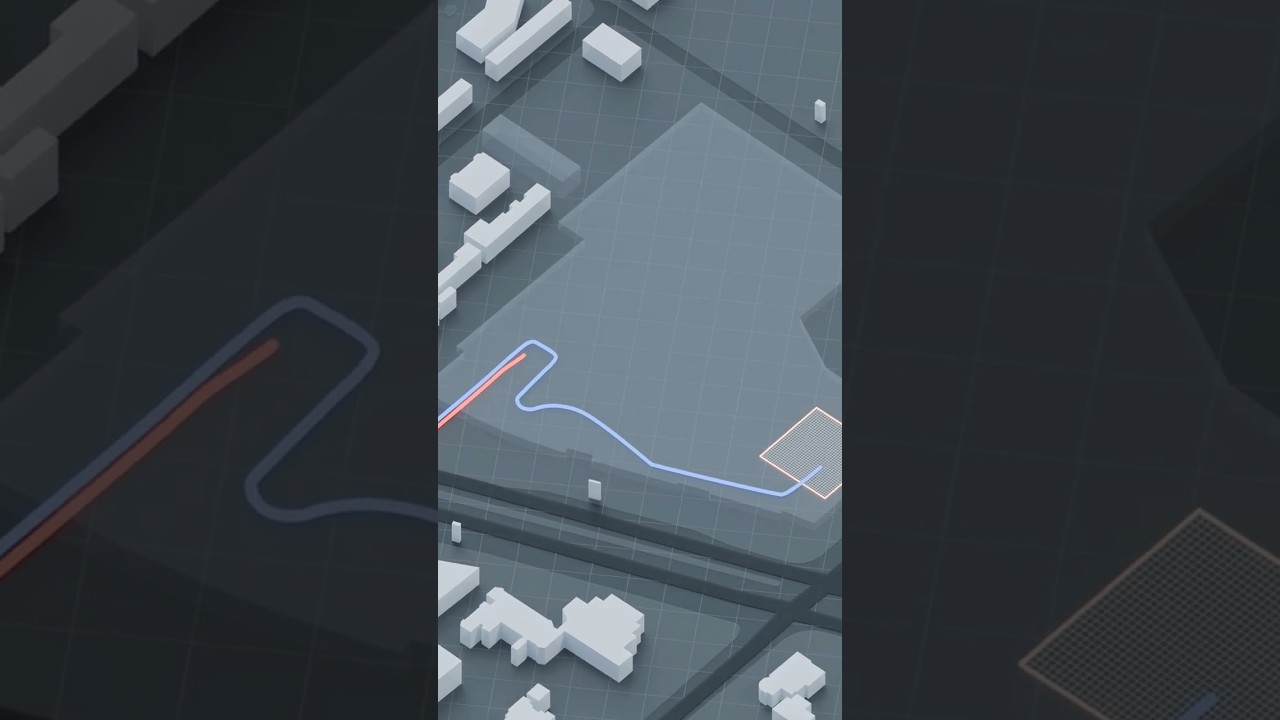
Unlocking Uninterrupted Tracking: What is Dead Reckoning in Telematics?
This article provides an in-depth exploration of Telematics, covering foundational concepts, practical applications, and engineering insights.
Imagine driving a fleet vehicle through a deep tunnel, an underground parking garage, or a dense urban canyon surrounded by skyscrapers. Suddenly, the GPS signal drops out. For traditional tracking systems, your vehicle effectively vanishes off the grid. This is where modern telematics technology bridges the gap through an advanced feature known as dead reckoning.
Understanding Dead Reckoning
Dead reckoning (DR) is a positioning technique that allows a tracking device to estimate its current location even when GNSS or GPS signals are temporarily lost. Instead of relying exclusively on satellite communication, a device equipped with dead reckoning uses a previously known position and combines it with real-time movement data—such as speed, heading, and elapsed time—to continuously calculate the vehicle's position.
How Dead Reckoning Works Behind the Scenes
While a satellite signal is active, the tracking unit maintains an accurate baseline location. The moment that signal is obstructed, internal sensors instantly take over to calculate movement. These sensors typically include:
- Accelerometers: Measure changes in velocity, acceleration, and braking.
- Gyroscopes: Detect changes in direction, turn angles, and vehicle rotation.
- Vehicle Diagnostics: Connect directly to the vehicle's onboard computer (CAN bus) to fetch precise wheel speed and odometer readings.
By processing this data continuously, the system projects the vehicle's trajectory on the map until satellite connectivity is re-established.
Why Dead Reckoning is Essential for Fleets
In modern logistics and fleet management, signal blind spots cause inaccurate mileage logs, compromised route history, and security vulnerabilities. Integrating dead reckoning into a fleet telematics strategy delivers significant operational advantages:
- Continuous Asset Visibility: Keep track of vehicles everywhere, including underground facilities, dense forests, and high-rise city streets.
- Precision Data & Analytics: Maintain accurate mileage and trip logs without data gaps caused by temporary signal loss.
- Improved Theft Recovery: Track and pinpoint stolen assets even if they are hidden in signal-shielded structures.
Final Thoughts
While satellite positioning is powerful, signal interruptions are inevitable. By incorporating dead reckoning, advanced telematics solutions eliminate blind spots, ensuring fleet operators enjoy seamless, continuous tracking no matter where the road leads.


