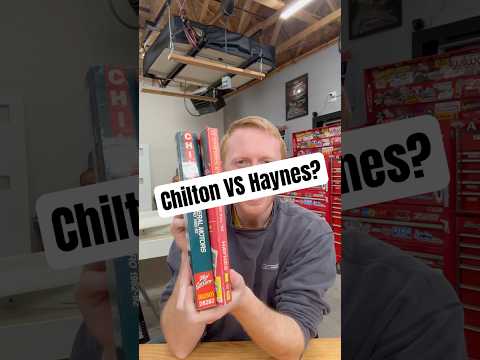
For decades, the rite of passage for any aspiring home mechanic was a trip to the local auto parts store to pick up a thick, grease-stained book. Whether you were changing your brake pads for the first time or attempting a full engine overhaul, a reliable car repair manual was the most important tool in your toolbox.
Even in the age of YouTube tutorials, the debate between the two titans of the industry—Haynes and Chilton—remains as relevant as ever. If you are looking to take control of your vehicle’s maintenance, choosing the right guide can make the difference between a successful fix and a weekend of frustration.
Haynes Manuals: The DIYer’s Blueprint
Haynes manuals are legendary for their "hands-on" approach. The hallmark of a Haynes guide is that every manual is based on a complete teardown and rebuild of the specific vehicle. Because they use actual photographs of the process, they are incredibly beginner-friendly. If you are a visual learner, Haynes provides a step-by-step clarity that is hard to beat. They focus on the most common tasks a DIYer will face, making them the go-to car repair manual for routine maintenance and mid-level repairs.
Chilton Manuals: The Technical Standard
Chilton, now part of the Haynes family but still distinct in its style, traditionally catered to a more technically-minded audience. While Haynes focuses on the "how-to," Chilton often provides more detailed specifications, wiring diagrams, and troubleshooting tables. Historically, Chilton manuals covered a wider range of years in a single volume, which is excellent for those who own older fleet vehicles or multiple models from the same generation.
Why a Physical Manual Still Matters
You might wonder why you need a physical book when you have a smartphone. The answer is simple: garage reality. Scrolling through a PDF with grease-covered fingers is a recipe for a broken screen. A physical car repair manual can take a beating, doesn't require a Wi-Fi connection, and allows you to bookmark critical torque specs for quick reference.
Ultimately, whether you choose Haynes for its photography or Chilton for its technical depth, having a dedicated guide ensures you are following manufacturer-approved sequences rather than guesswork. If you're serious about DIY car care, pick up a manual and start turning wrenches with confidence.


