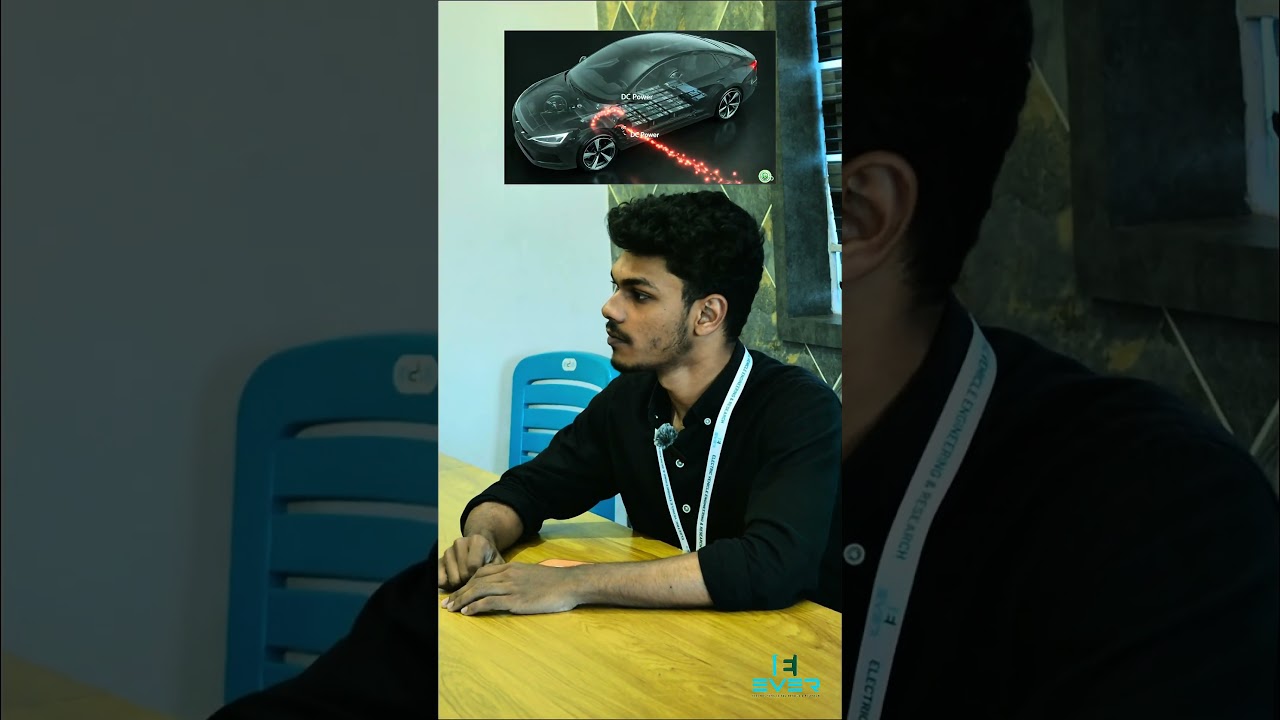
Fast Charging vs. Battery Life: How Modern EV Tech Protects Your Vehicle
This article provides an in-depth exploration of EV tech, covering foundational concepts, practical applications, and engineering insights.
One of the most persistent myths surrounding electric vehicles is that frequent DC fast charging will ruin your battery in just two to three years. As drivers switch from traditional gasoline cars to electric models, concerns about battery degradation and costly replacements remain top of mind. But is fast charging truly as destructive as the rumors suggest?
The Science Behind Fast Charging and Heat
To understand the impact of fast charging, it helps to know how lithium-ion batteries work. When you plug into a high-powered DC fast charger, massive amounts of electrical current flow into the battery cells in a short period. This rapid energy transfer generates heat, which is the ultimate enemy of battery longevity.
If left unmanaged, excessive thermal stress can lead to lithium plating—a process where lithium ions build up on the anode, permanently reducing the battery's overall energy capacity over time.
How Smart Engineering Prevents Degradation
While heat is a real physical challenge, driver fears are largely outdated. Rapid developments in EV tech have introduced sophisticated Battery Management Systems (BMS) that actively monitor temperature, voltage, and cell health in real time.
These intelligent systems control the charging curve dynamically. When your battery is at a low state of charge, it can safely absorb high power levels. As the battery reaches roughly 80% capacity, the BMS automatically slows down the charge rate to prevent overheating. Furthermore, modern EV tech utilizes liquid thermal management loops to actively cool the battery pack during high-speed charging sessions.
Simple Habits for Optimal Battery Longevity
While software safeguards do most of the heavy lifting, adopting a few best practices can help you maintain peak battery health for years:
- Reserve Fast Chargers for Long Trips: Use Level 2 AC chargers at home or work for daily routine charging, saving DC fast chargers for highway travel.
- Stick to the 80% Rule: Unplug at 80% capacity during fast charging, as the final 20% takes significantly longer and generates more heat.
- Pre-condition Before Charging: Route to a fast charger using your vehicle's native navigation so the system can warm or cool the battery to the optimal charging temperature in advance.
The Bottom Line
Using DC fast charging will not ruin your battery in a few short years. Thanks to continuous innovations in EV tech, modern electric vehicles are built to safeguard their power cells against thermal stress, giving you the perfect balance of convenience and long-term durability.


