Seeing a wrench icon or a warning on your Ford’s dashboard can trigger instant panic. Among the most common alerts drivers face is the dreaded Powertrain Fault message. But what exactly does this alert mean, and is it safe to keep driving? Here is everything you need to know to diagnose and address the issue effectively.
What Is a Powertrain Fault Warning?
Your vehicle's powertrain includes the engine, transmission, driveshaft, and all the critical components that deliver power to the wheels. When the onboard computer detects a glitch, sensor mismatch, or mechanical failure within these systems, it illuminates the yellow wrench symbol or displays a clear warning text on the instrument cluster.
Unlike a standard Check Engine Light, which often relates to emissions, a fault warning in this system directly impacts how power is generated and transferred to the road. You might notice your car entering "Limp Mode," a safety feature that intentionally reduces engine power to protect mechanical components from severe damage.
Common Causes Behind the Warning Light
Several issues can trigger this alert on your dashboard:
- Throttle Body Issues: A faulty or dirty electronic throttle body is one of the most common culprits in modern Ford vehicles.
- Transmission Problems: Low transmission fluid levels, slipping gears, or faulty shift solenoids can trigger the alert.
- Sensor Failures: Bad mass airflow (MAF) sensors, throttle position sensors, or accelerator pedal sensors send inaccurate data to the control module.
- Electrical Glitches: Corroded wiring, blown fuses, or outdated ECU software can occasionally cause false warnings.
How to Fix the Problem
If your Ford displays this warning while driving, follow these step-by-step actions:
- Pull Over Safely: Find a safe location to park. Turn off the ignition, wait two minutes, and restart the engine. Sometimes, a minor electronic glitch resets itself.
- Inspect Under the Hood: Check for obvious issues like low transmission fluid or loose battery cables.
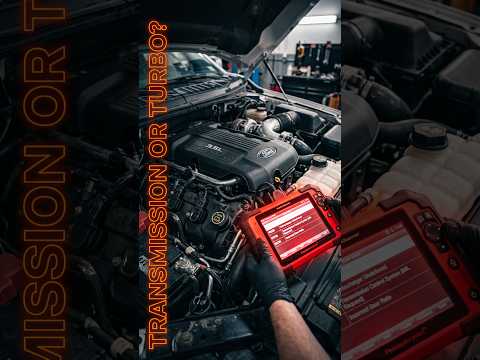
- Scan for Diagnostic Codes: Plug an OBD-II scanner into the port beneath your steering wheel. The diagnostic trouble codes (DTCs) will pinpoint the exact component experiencing an issue.
- Consult a Professional: If the car remains in Limp Mode or the light reappears, avoid driving long distances. Have your vehicle inspected by a certified mechanic to protect your powertrain from further structural damage.
By taking swift action at the first sign of a warning, you can prevent minor sensor glitches from turning into costly mechanical overhauls.


