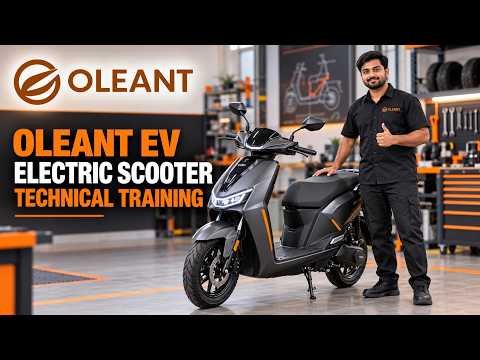
As urban transportation shifts toward sustainability, electric scooters have taken center stage. Behind every smooth and reliable ride is a sophisticated blend of modern engineering and advanced EV tech. Understanding how these components work together is essential for service teams, technicians, and EV enthusiasts alike.
In this technical guide, inspired by OLEANT EV Technology’s comprehensive training resources, we break down the fundamental parts that power modern electric two-wheelers and explain why technical mastery is crucial for the industry.
Core Components of an Electric Scooter
To effectively troubleshoot, maintain, and repair an electric scooter, service personnel must master its internal ecosystem. Here are the primary components that drive performance:
- The Battery Pack & Battery Management System (BMS): Serving as the heart of the vehicle, the lithium-ion battery provides power, while the BMS monitors cell health, controls temperatures, and prevents overcharging.
- Motor Controller: Functioning as the brain of the scooter, the controller regulates electrical energy flow from the battery to the motor based on throttle input.
- BLDC Hub Motor: Brushless DC motors convert electrical energy into mechanical power, delivering high torque, low noise, and maximum energy efficiency directly to the wheels.
- Wiring Harness & Diagnostic Sensors: The nervous system connecting the throttle, brakes, lights, and display panel to the central controller.
Elevating Service Standards Through Technical Training
As consumer adoption surges, keeping service teams updated with cutting-edge EV tech is essential for maintaining vehicle safety and operational efficiency. Hands-on technical training equips technicians to diagnose complex electrical faults, execute precise part replacements, and perform preventative maintenance.
Empowering service personnel with standard operating procedures and complete parts knowledge dramatically reduces repair turnaround times. Whether it is performing a routine battery diagnostic or a complete wiring overhaul, proper technical education ensures high service quality and rider satisfaction.
Final Thoughts
Mastering electric vehicle hardware is no longer optional—it is the standard for modern mobility service providers. By continuously upgrading skills in the latest EV tech, technical teams can ensure peak vehicle performance, extend scooter lifespans, and drive the future of sustainable transportation forward.


