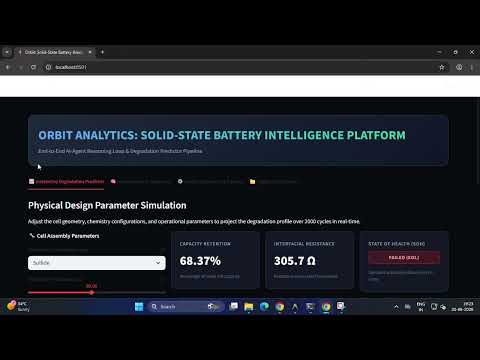
Solid-state batteries are widely recognized as the holy grail of next-generation energy storage, offering higher energy density and improved safety over traditional lithium-ion systems. However, understanding how these advanced cells wear down over time remains a major engineering hurdle. Accurate battery degradation analytics have become critical for unlocking the full potential of solid-state technology and ensuring long-term reliability in electric vehicles and clean grid storage.
Unlocking Insights with Agentic AI
Recent breakthroughs stemming from programs like the Google × Kaggle "5 Days of Agentic AI" highlight how artificial intelligence can transform complex materials science. By deploying specialized AI agents, researchers can automate the processing of massive electrochemical datasets. This intelligent approach streamlines battery degradation analytics, allowing systems to autonomously track micro-fractures, lithium dendrite growth, and capacity loss patterns in real time without constant human supervision.
Unlike traditional statistical models that struggle with dynamic physical variables, agentic AI frameworks—such as the "Orbit" project—can reason, plan, and execute multi-step diagnostic workflows. These AI agents collaborate to cross-reference experimental battery cycle data against physical chemistry models, pinpointing the exact mechanisms driving cell performance loss.
Key Advantages of Next-Gen Analytics
Integrating AI agents into battery diagnostics provides several game-changing advantages: - Proactive Anomaly Detection: Instantly spot subtle voltage drops or thermal anomalies before catastrophic failure occurs. - Predictive Lifespan Modeling: Generate hyper-accurate remaining useful life (RUL) projections based on real-world operation conditions. - Automated Workflow Orchestration: AI agents handle data extraction, transformation, and reporting end-to-end, accelerating R&D cycles.
The Future of Energy Storage Maintenance
By leveraging agentic AI, engineers can elevate battery degradation analytics from reactive diagnostic reporting to proactive life-extension strategies. As solid-state batteries transition from research labs to commercial production, intelligent agentic systems will serve as the backbone of sustainable, safe, and efficient energy management systems worldwide.


