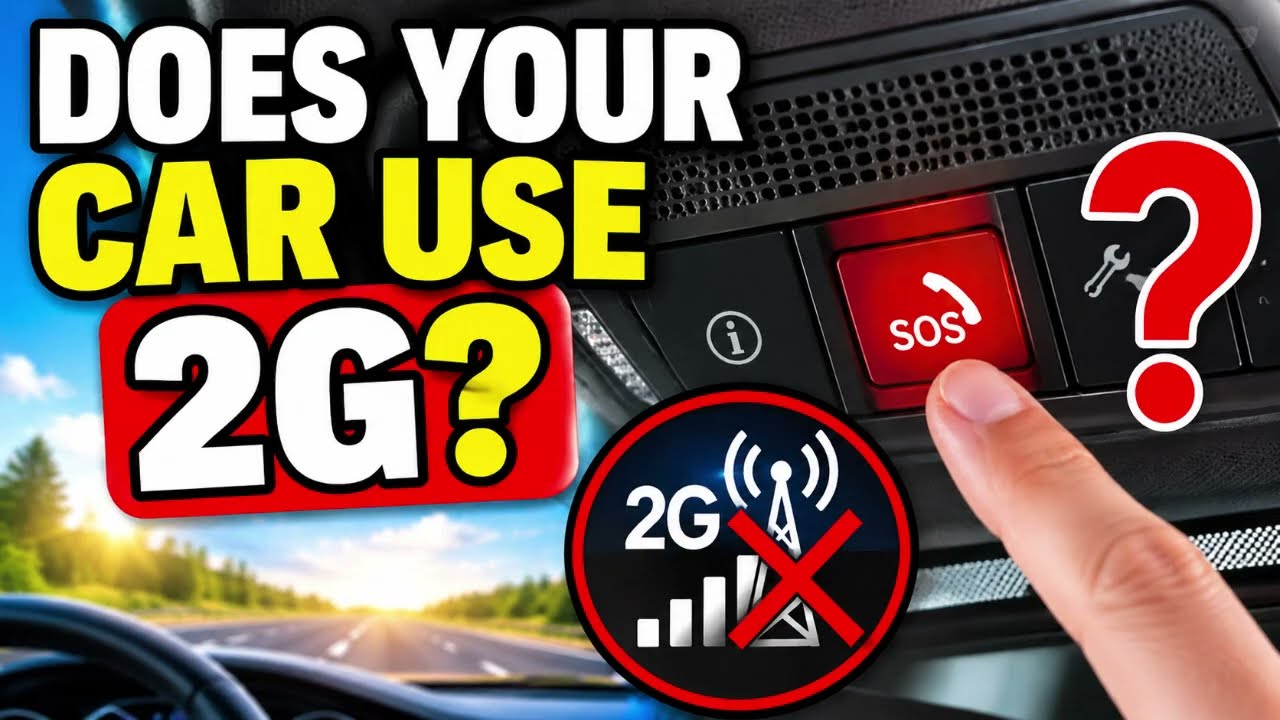
Is Your Connected Car Ready for the 2G Network Shutdown in 2027?
This article provides an in-depth exploration of Connected car, covering foundational concepts, practical applications, and engineering insights.
As telecommunications providers around the globe prepare to decommission legacy cellular infrastructure, millions of vehicle owners face an impending technological hurdle. By 2027, 2G networks will be fully phased out to make room for faster, more efficient 4G and 5G bandwidth. While this transition improves mobile connectivity worldwide, it poses a major challenge for drivers who rely on older built-in vehicle communications.
If you drive an older connected car, key smart features might be on borrowed time. Here is what you need to know about the upcoming 2G network sunset and how to check if your vehicle will lose service.
Why the 2G Phase-Out Impacts Vehicles
Modern vehicles rely heavily on embedded cellular modems for safety, convenience, and navigation. When legacy 2G networks are permanently switched off, vehicles equipped solely with 2G-compatible hardware will lose access to essential online features. This includes automated crash notifications, emergency SOS calling, remote start via smartphone apps, live traffic updates, and roadside assistance.
How to Check If Your Vehicle Relies on 2G
Determining whether your vehicle is vulnerable to the 2G sunset requires just a few quick steps:
- Check Your Model Year: Vehicles built prior to 2018 are the most likely to rely on 2G or 3G wireless technology for remote services.
- Review Vehicle Documentation: Consult your owner’s manual or telematics service agreement to identify the network module specifications.
- Contact Your Dealership: Provide your Vehicle Identification Number (VIN) to your manufacturer's support line to confirm whether your cellular modem is affected.
Solutions for Affected Drivers
If you discover that your connected car relies on outdated 2G technology, you still have options depending on your vehicle manufacturer:
- Hardware Upgrades: Some automakers offer replacement Telematics Control Units (TCUs) that upgrade your vehicle’s modem to 4G LTE.
- Aftermarket Telematics: Third-party OBD-II devices can occasionally restore lost connectivity features like tracking and diagnostics.
- Accepting Disconnection: If no upgrade path exists, your vehicle will remain entirely safe to drive, though digital connected features will cease to function.
Checking your vehicle status today ensures your connected car stays fully functional and connected long past the 2027 deadline.


