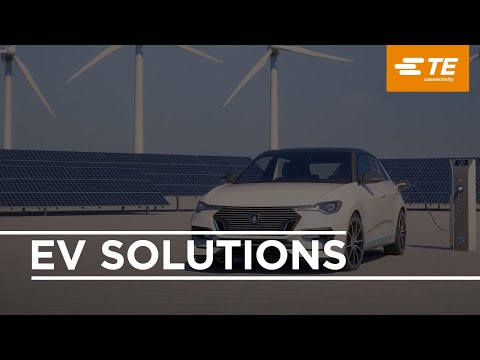
As electric vehicles (EVs) rapidly transition from niche innovations to mainstream transportation, the demand for robust, efficient, and ultra-reliable charging networks has never been higher. To support this global shift, modern charging networks require more than just plug-in power—they depend on intelligent, interconnected systems. Rethinking modern E mobility infrastructure design is essential to creating faster, safer, and more accessible charging experiences for drivers everywhere.
The Role of Smart Connectivity in EV Charging
At the heart of any successful charging network is advanced connectivity. Today’s EV charging stations are sophisticated IoT hubs that constantly exchange critical data with the power grid, fleet management software, and user interfaces. High-speed connectivity enables real-time monitoring, dynamic load balancing, and predictive maintenance. This ensures that charging hardware operates at peak efficiency while preventing local grid overloads during peak usage times.
Furthermore, connectivity plays a pivotal role in operational safety. Advanced sensors and communication protocols monitor temperature fluctuations, electrical faults, and software anomalies in real time. By embedding robust connectivity solutions into comprehensive E mobility infrastructure design, engineers can significantly reduce hardware wear and tear, mitigate thermal hazards, and deliver ultra-fast charging without compromising user or vehicle safety.
Key Elements of Next-Generation Charging Hubs
To meet the evolving demands of commercial fleets and individual driver networks, modern charging facilities must prioritize several core structural elements:
- Scalable Power Distribution: Modular architecture allows charge point operators to expand station capacity seamlessly as regional demand increases.
- Real-Time Data Integration: Cloud-connected management systems optimize energy flow according to battery health, real-time grid pricing, and user schedules.
- Seamless User Experience: Automated payment gateways, remote diagnostics, and mobile app integration ensure fueling an EV is as effortless as possible.
Building a Connected and Sustainable Future
The transition to clean, zero-emission transportation hinges on our collective ability to deploy scalable, high-performance charging networks. By prioritizing smart connectivity within forward-thinking E mobility infrastructure design, technology providers and urban planners can unlock the full potential of electric vehicles—paving the way for a cleaner, faster, and safer transport ecosystem.


