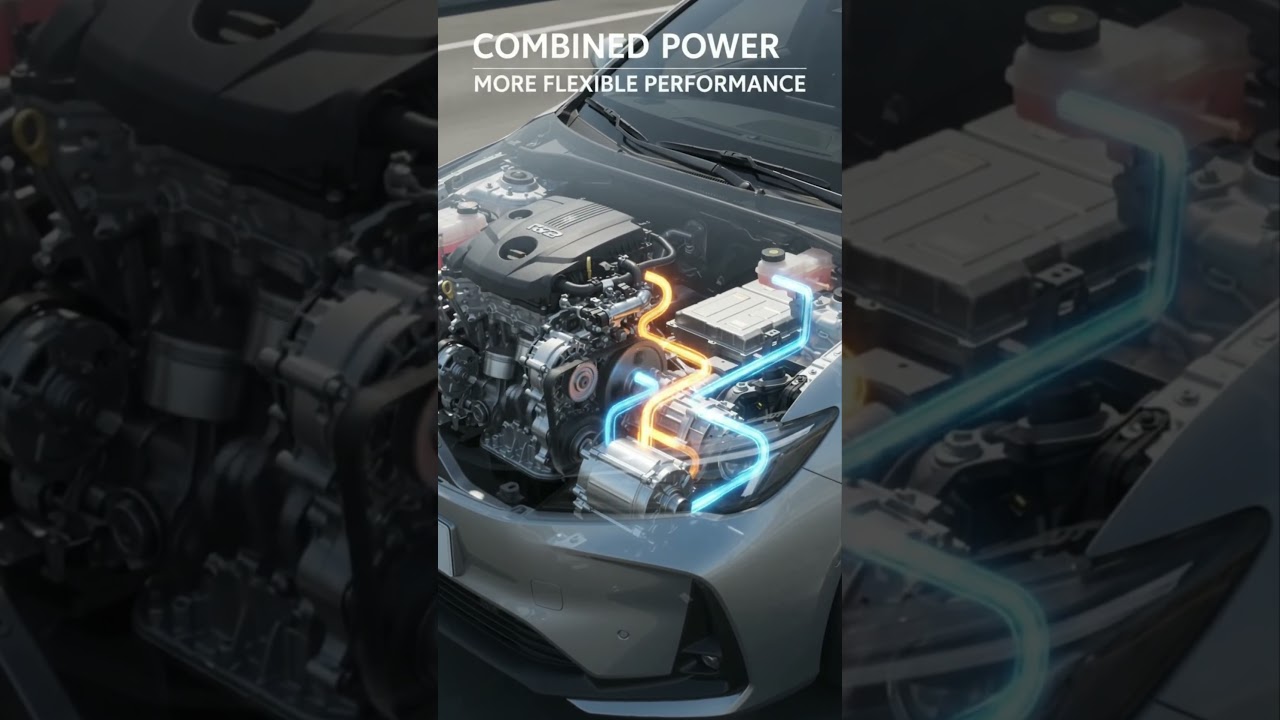
Unlocking the Hybrid Drive: How Cars Switch Between Petrol and Electric Power
This article provides an in-depth exploration of Hybrid drive, covering foundational concepts, practical applications, and engineering insights.
Have you ever sat behind the wheel of a hybrid vehicle and wondered how it effortlessly transitions between electric silence and petrol power? It feels almost magical, but it is actually a triumph of modern automotive engineering. At the heart of this seamless experience is an intelligent hybrid drive system designed to deliver maximum efficiency without sacrificing performance.
Starting Up and City Cruising: The Electric Phase
When you press the start button and pull away at low speeds, your car usually relies entirely on its electric motor. During stop-and-go city driving, the petrol engine stays completely turned off. The electric motor draws energy directly from the onboard battery pack, providing instant torque, zero emissions, and a delightfully quiet ride. Because traditional combustion engines are least efficient in heavy traffic, relying on electric power during low-speed maneuvers saves a massive amount of fuel.
Accelerating and Highway Driving: Combining Forces
What happens when you step hard on the gas pedal or merge onto the highway? This is where the advanced hybrid drive truly shines. The vehicle’s central electronic controller constantly monitors your speed, throttle input, and battery charge level. When higher speeds or extra power are required—such as climbing a steep incline or overtaking another vehicle—the system automatically ignites the petrol engine.
Depending on the hybrid architecture, the petrol engine will either take over driving the wheels directly, assist the electric motor, or act as a generator to feed extra current to the electric drivetrain. Thanks to sophisticated power-split transmissions, this handoff happens in milliseconds without any noticeable jerking or power loss.
Braking and Deceleration: Smart Energy Harvesting
The brilliance of a hybrid system extends to how it slows down. Whenever you lift your foot off the accelerator or gently press the brake pedal, the electric motor reverses its operation and acts as a generator. Through a process called regenerative braking, the system captures kinetic energy that would normally be lost as brake heat and converts it back into electricity to top up the battery.
Conclusion
By dynamically determining the optimal balance between electricity and fuel, a modern hybrid drive offers drivers the best of both worlds: reduced emissions and incredible fuel economy paired with total freedom from range anxiety. As automotive technology advances, these intelligent systems continue to make our daily commutes smoother and greener than ever before.


