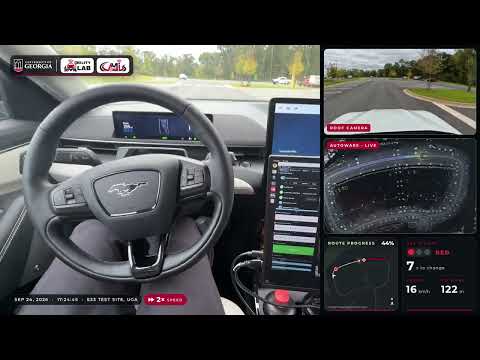
Imagine driving toward an intersection and knowing precisely when the light will turn green long before you reach it. What once sounded like science fiction is now becoming a reality, thanks to rapid advances in automated vehicle technology. By syncing vehicles directly with smart roadside signals, the future of transportation is fast becoming smoother, safer, and far more efficient.
The Power of Vehicle-to-Infrastructure (V2I) Communication
At the heart of this technological leap is modern connected car infrastructure. Through Vehicle-to-Infrastructure (V2I) communication, automated vehicles interact directly with Roadside Units (RSUs) mounted at intersections. These RSUs broadcast real-time traffic signal timing data straight to the vehicle’s onboard computing system.
Instead of relying solely on visual sensors or cameras—which can be hindered by bad weather or heavy truck blockages—the automated vehicle receives instant, accurate digital updates regarding signal phases and timings.
Smoother Speeds and Reduced Emissions
When an automated car knows the exact timing of upcoming traffic lights, it can intelligently adjust its cruising speed. The onboard system calculates the optimal velocity needed to pass through a series of green lights without coming to a complete stop.
By leveraging robust connected car infrastructure, vehicles can virtually eliminate unnecessary braking and rapid acceleration. This not only creates a much smoother ride for passengers, but it also dramatically reduces fuel consumption and greenhouse gas emissions, helping combat urban congestion and pollution.
Elevating Intersection Safety
Intersections are historically among the most dangerous zones on public roads. Connected automated vehicles take safety a step further by using signal timing data to predict hazards. For instance, if the vehicle calculates that it cannot safely clear an intersection before the signal turns red, it will begin slowing down early to prevent dangerous panic-braking or red-light violations.
As municipalities continue to expand their connected car infrastructure, the synergy between smart roads and autonomous vehicles will play a pivotal role in preventing accidents, saving lives, and reshaping urban mobility for generations to come.


