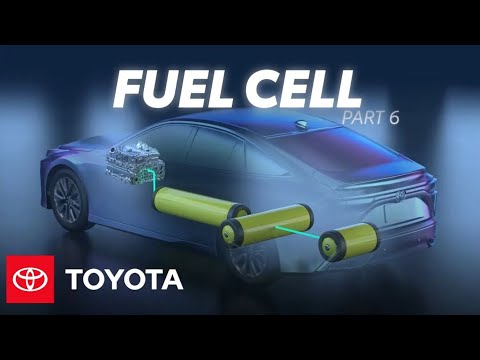
The automotive industry is undergoing a transformative shift toward zero-emission driving. Pioneered by visionaries like Toyota, fuel cell electric vehicles (FCEVs) represent a major leap forward in sustainable transportation. To fully appreciate how these advanced hydrogen-powered vehicles operate, it is essential to explore the core powertrain electrification principles that make zero-emission mobility possible.
How Do Fuel Cell Electric Vehicles Work?
Unlike traditional internal combustion engines that burn fossil fuels, or battery-electric vehicles (BEVs) that rely exclusively on plug-in grid power, FCEVs generate their own electricity on the go.
At the heart of an FCEV is the fuel cell stack. High-pressure hydrogen gas stored in specialized onboard tanks is fed into the fuel cell stack, where it combines with oxygen drawn from the outside air. An electrochemical reaction splits the hydrogen molecules into protons and electrons, generating electrical energy to power the vehicle's drive motor. The only output from this process is clean water vapor, illustrating one of the most remarkable powertrain electrification principles in action today: converting chemical energy directly into electrical propulsion without harmful emissions.
Core Components of a Hydrogen Fuel Cell System
Toyota’s fuel cell system relies on several integrated components working seamlessly together:
- Hydrogen Fuel Tanks: Ultra-durable carbon-fiber tanks store high-pressure hydrogen safely.
- Fuel Cell Stack: The engine room where hydrogen and oxygen react to create continuous electrical power.
- Electric Drive Motor: Converts electrical energy from the fuel cell into mechanical energy to drive the wheels efficiently.
- Power Control Unit & Battery: A compact battery acts as an energy buffer, storing energy captured during regenerative braking to assist under peak acceleration.
The Future of Clean Mobility
Applying these innovative powertrain electrification principles offers distinct real-world advantages. FCEVs combine the environmental benefits of zero tailpipe emissions with practical convenience—offering rapid refueling times comparable to traditional gas vehicles and impressive driving ranges.
As automakers continue to refine hydrogen fuel cell technology, electrified powertrains will play a pivotal role in creating a cleaner, more sustainable future for global transportation.


