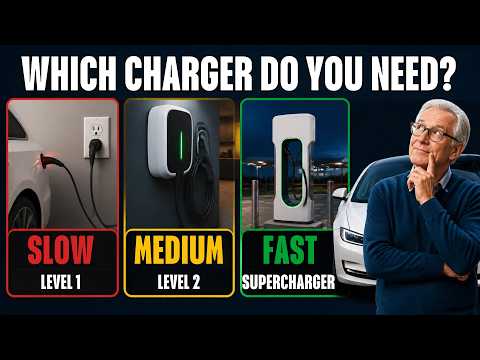
Navigating the world of EV charging can feel overwhelming for new Tesla owners. With different plugs, voltage rates, and charging speeds measured in miles per hour, understanding your options is essential for a smooth ownership experience. More importantly, adopting the right charging habits can protect your battery health and help you avoid unexpected visits for electric vehicle repair.
Here is a complete breakdown of Tesla charging levels 1, 2, and 3 to help you figure out which charger best fits your daily routine.
Level 1 Charging: The Slow and Steady Trickle
Level 1 charging relies on a standard 120-volt household outlet using the Tesla Mobile Connector. It is the simplest setup because it requires no professional electrical upgrades.
- Speed: Adds roughly 3 to 5 miles of range per hour.
- Best For: Drivers with short daily commutes or those who can leave their car plugged in for long stretches.
While convenient, it is the slowest method available. However, because it operates at low voltage, it puts minimal strain on your vehicle's thermal management system.
Level 2 Charging: The Ideal Daily Solution
Level 2 charging uses a 240-volt outlet (similar to an electric clothes dryer) or a dedicated Tesla Wall Connector. This is widely considered the gold standard for home EV charging.
- Speed: Delivers between 20 to 44 miles of range per hour.
- Best For: Daily commuters who want a fully charged battery every morning.
Installing a Level 2 home charger requires proper electrical work. Ensuring your home wiring is installed correctly prevents electrical surges, keeping your charging system running safely without needing early electric vehicle repair.
Level 3 Charging: Supercharging for Long Distance
Level 3 charging, commonly known as Tesla Supercharging or DC Fast Charging, bypasses the vehicle’s onboard charger to send direct current straight to the battery.
- Speed: Can add up to 200 miles of range in just 15 to 20 minutes.
- Best For: Long-distance road trips and quick top-ups when you are on the go.
While Superchargers are incredibly convenient, frequent fast charging generates significant heat, which can gradually degrade battery longevity over time if used as your primary charging method.
Which Charger Fits Your Lifestyle?
Choosing the right charger comes down to your daily driving habits. For most drivers, Level 2 offers the perfect balance of speed and battery protection. If you ever notice unusually slow charging speeds, overheating plugs, or recurring dashboard warnings, consult a certified technician specializing in electric vehicle repair to diagnose potential battery or electrical issues promptly. Proper charging maintenance ensures your Tesla stays road-ready for years to come.


