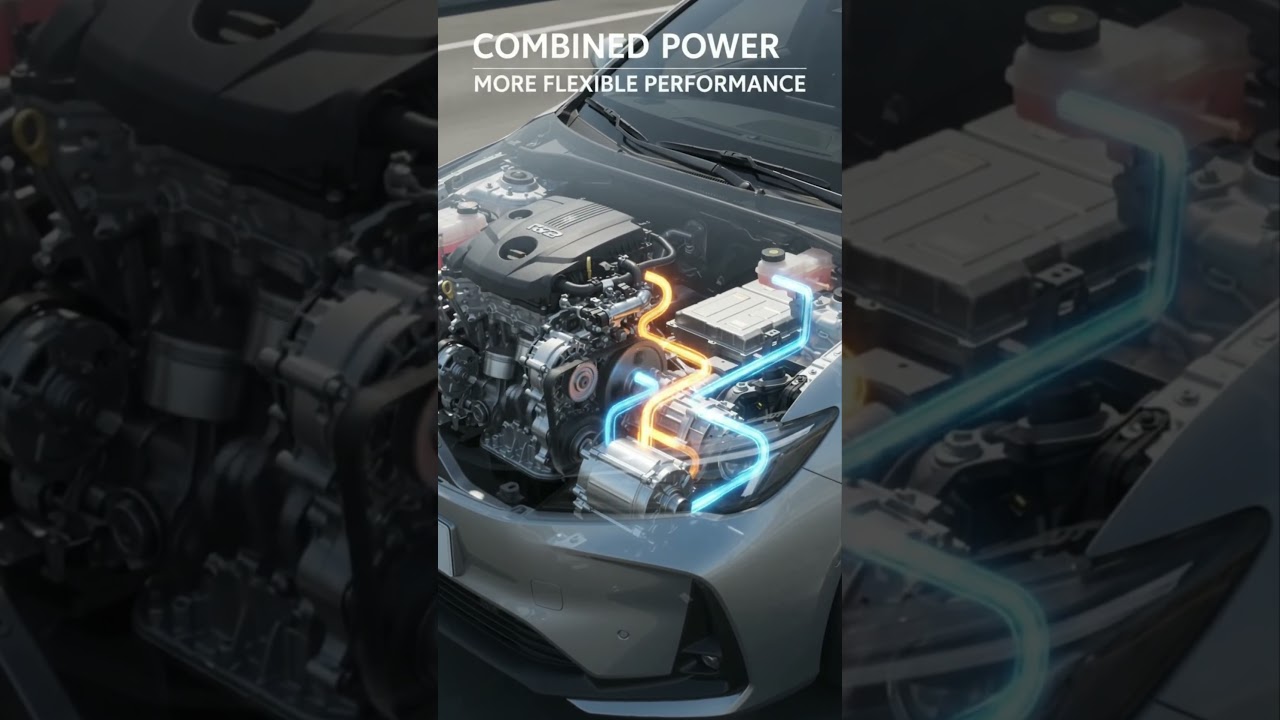
When it comes to extracting maximum speed, torque, and efficiency from a vehicle or complex mechanical system, design accuracy is everything. Whether you are building a custom race vehicle or engineering high-performance robotics, mastering automotive drivetrain optimization is the key to unlocking peak mechanical potential.
Understanding Gear Ratios and Power Delivery
At the core of any high-performing drivetrain lies the precise relationship between motor specifications, gear ratios, and wheel dynamics. Choosing an incorrect gear reduction can result in sluggish acceleration, motor overheating, or disappointing top speeds.
By leveraging advanced modeling tools—such as drive simulators—engineers can accurately model real-world performance before physically assembling hardware. These tools allow you to balance acceleration curves against top-speed requirements, ensuring your motors operate consistently within their ideal power bands. Strategic gear selection minimizes energy loss and maximizes output efficiency.
Why Automotive Drivetrain Optimization Matters
Implementing thorough automotive drivetrain optimization strategies delivers several major advantages for vehicle designers and engineers:
- Enhanced Thermal Management: Operating motors near peak efficiency prevents excessive current draw and dangerous heat build-up.
- Balanced Acceleration & Velocity: Fine-tuning gear ratios ensures rapid acceleration from a standstill without sacrificing desirable top-end speed.
- Improved Energy Efficiency: Smooth power transmission reduces mechanical strain and conserves energy, allowing your system to run longer on a single charge or tank of fuel.
Practical Steps to Optimize Your Drivetrain
To implement effective automotive drivetrain optimization in your projects, follow these core steps:
- Analyze Motor Power Curves: Review your motor's torque and speed characteristics to identify the exact RPM range for maximum power output.
- Utilize Drive Simulators: Input parameters like vehicle weight, wheel diameter, and friction coefficients into simulation software to forecast performance.
- Iterate and Validate: Compare real-world telemetry against your software calculations to refine your gear reductions and physical layout.
Final Thoughts
Drivetrain engineering is never a one-size-fits-all task. By prioritizing gear ratio optimization and leveraging modern simulation tools, you can build a drivetrain that offers unmatched speed, reliability, and control. Take the guesswork out of your build and start optimizing your drivetrain dynamics today!