Pre-Trip Maintenance: How to Prepare Your Smart Vehicle for a Long Road Trip
This article provides an in-depth exploration of Smart vehicle, covering foundational concepts, practical applications, and engineering insights.
Planning an exciting long-distance drive? Before packing your bags and setting off on your next adventure, taking time to perform a thorough pre-trip inspection is essential. Preventing unexpected mechanical breakdowns ensures a smooth, enjoyable journey for you and your passengers. Here is a complete checklist to prepare your smart vehicle before hitting the open road.
1. Check All Essential Engine Fluids
Fluids are the lifeblood of your automobile. Before traveling long distances, inspect the following critical fluids:
- Engine Oil: Check both the level and quality. Low or dirty oil can lead to engine overheating and severe component damage.
- Coolant (Antifreeze): Ensure your radiator fluid is topped off to prevent your engine from overheating in warm weather or during extended highway driving.
- Brake & Transmission Fluid: Proper fluid levels guarantee responsive braking and smooth gear transitions.
Maintaining optimal fluid levels keeps your smart vehicle running smoothly and efficiently throughout your trip.
2. Inspect Tire Pressure and Tread Depth
Your tires are your vehicle's only contact with the road, making them vital for overall safety and fuel efficiency.
- Tire Pressure: Check the recommended PSI (found on the driver's side door frame) while the tires are cold. Under-inflated tires increase fuel consumption and risk a blowout.
- Tread Depth: Ensure there is adequate tread for strong traction, especially when driving through unexpected rain or rough terrain.
- Spare Tire: Never forget to check the air pressure in your spare tire and verify that your tire jack and lug wrench are in working order.
3. Test the Battery and Brake System
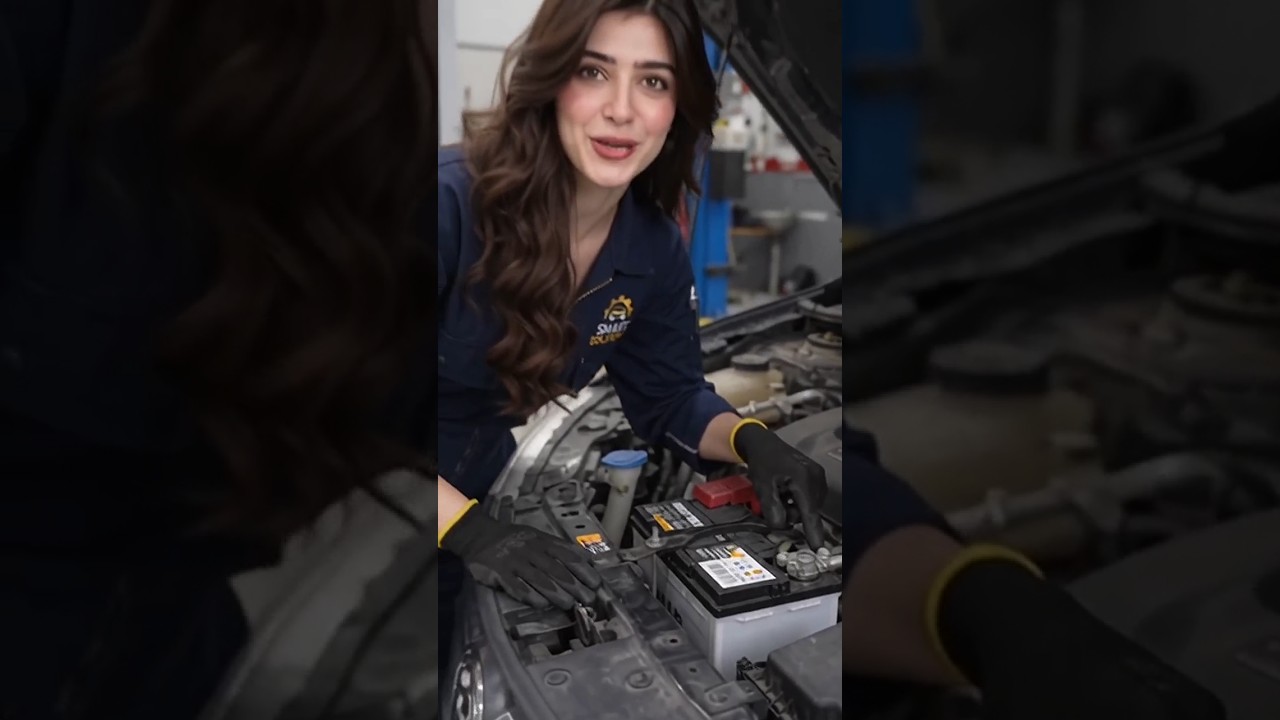
A failing battery or worn brake pads can quickly turn a fun trip into a stressful ordeal. Have your battery tested to confirm it holds a full charge, especially if it is over three years old. Additionally, listen for any squealing or grinding noises when applying the brakes, which signals it is time for a replacement.
4. Verify Lights, Wipers, and Emergency Gear
Visibility is key to safe driving in varying weather conditions. Replace worn wiper blades, top off washer fluid, and test all headlights, taillights, brake lights, and turn signals. Finally, pack an emergency kit with jumper cables, a flashlight, basic tools, and a first-aid kit.
By taking proactive care of these vital components, you can easily avoid common vehicle problems. Routine checks ensure your smart vehicle delivers a reliable, comfortable, and safe journey every time you hit the road.


